
Unbiased headlines. Facts, not spin.
Unbiased Headlines is an independently owned news organization. We bring you the facts, not opinions, written fresh from 110+ named sources. Sources linked so you can verify it yourself.
 economy
Major Story (7/10)
Chicago Fed's Goolsbee says AI data center buildout looks like 'old-fashioned demand overheating'
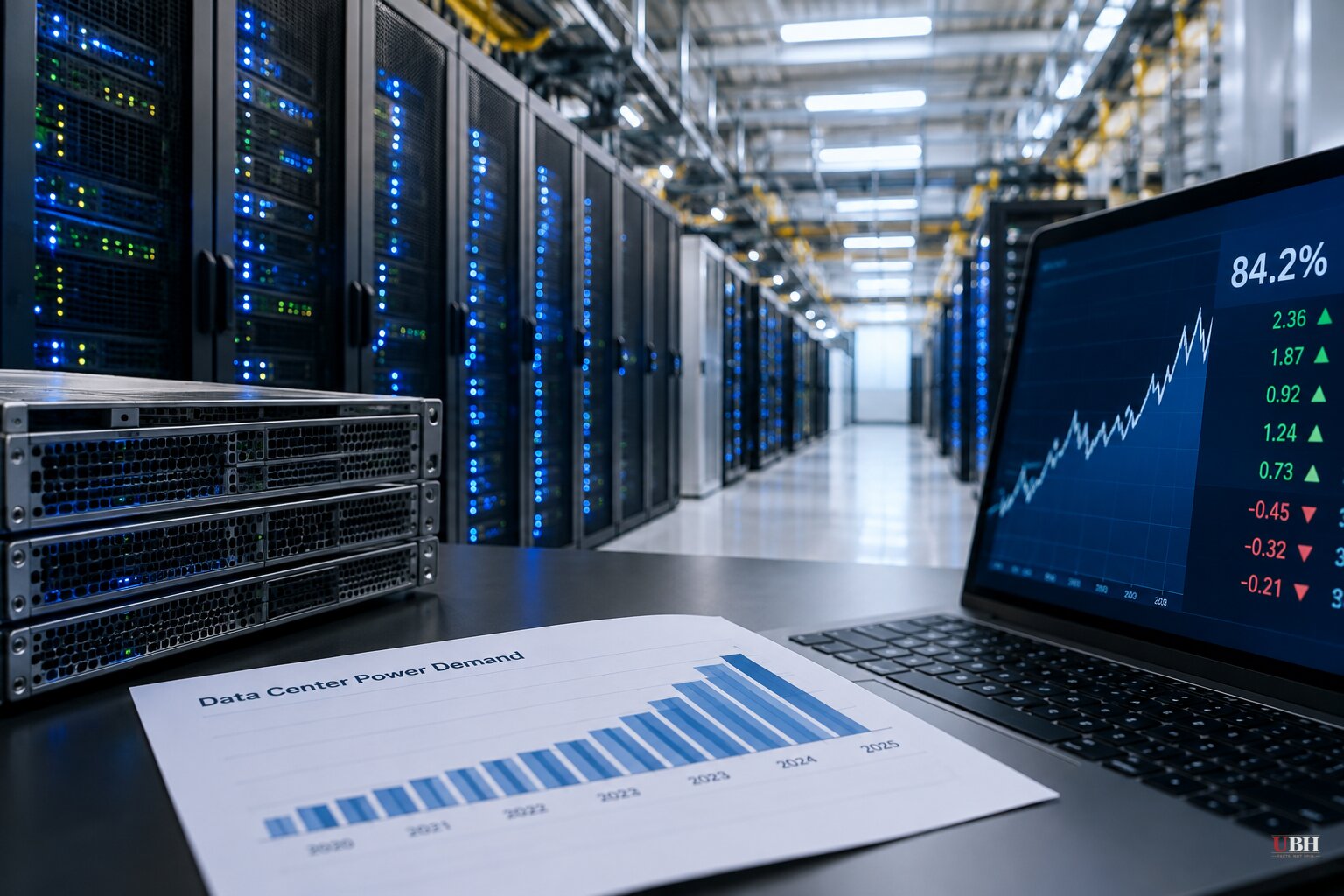
Austan Goolsbee, president of the Federal Reserve Bank of Chicago, said today, Nov. 9, that the AI data center buildout is "starting to look more just like old-fashioned demand overheating."
He made the remarks in a Q&A moderated by Subrina Hudson of the Chicago Sun-Times at a Leadership Greater Chicago event.
What Goolsbee pointed to
Goolsbee cited rising costs for land, electricity, computer chips and construction. He also named shortages of skilled workers such as HVAC technicians. He called those signs of building capacity constraints.
The danger of overheating, he said, is that "nobody ever was under the impression that that just goes away on its own." His prescription for central bankers: "Conventional wisdom is to be aggressive up front to never let the economy overheat. Because once it gets overheated, it's extremely painful to get rid of."
He said there is "no question" what central banks must do in that situation. He did not name a specific interest-rate move.
Inflation, he said, is now showing up in services less tied to tariffs and oil prices. Supply-shock inflation was expected to fade and has lasted longer than anticipated. Demand-driven overheating tends to be more persistent.
The numbers behind the worry
Consumer prices rose 3.7% in September, according to the Consumer Price Index. The Bureau of Labor Statistics releases October CPI on Tuesday, Nov. 10.
The Fed raised rates a quarter point in September, its first hike in more than three years, then held steady last month. The CME FedWatch tool puts the odds of another quarter-point increase at the early December meeting at 84.2%.
Goolsbee is not among this year's voting presidents. Chicago's turn in the rate-setting rotation comes in 2027, so his view carries influence but not a vote on the December decision.
Other Fed officials have flagged the same pressure. Governor Lisa Cook said in September: "I see some economy-wide pressure from AI-fueled demand." She noted that data center investment draws on construction labor and energy used across many sectors, so it could push up prices elsewhere.
Fed officials have also pointed to energy price shocks from the Iran war and to President Trump's tariffs as drivers of persistent inflation. The AI buildout is one factor among several, not the only one.
Pew Research Center, citing Data Center Map, counted more than 1,500 data centers in development nationwide as of August.
Goolsbee's own caveats
Goolsbee did not blame data centers for the economy's strength. "For all the talk about data centers, it's actually been broad-based consumer spending rooted in a low unemployment rate and fairly solid wage growth that has been the driver," he said.
He called growth "surprisingly strong" and the labor market stable, though hiring remains low. He also noted a gap between weak consumer sentiment and actual spending. Elevated food and gasoline prices, he suggested, may explain why households stay gloomy while still buying.
Long term, Goolsbee sees upside. AI could ultimately mean "long-run deflation," he said, but the anticipation of those gains "can lead to inflation right now."
A blunt tool for a targeted boom
The rate hike he is hinting at may not reach the spenders in question. An analysis published by tftc.io noted Goolsbee's own acknowledgment that AI data center spending "doesn't have to be interest-rate sensitive." Hyperscalers that finance buildouts through bond markets at scale will not necessarily stop breaking ground over another 25 basis points. The same analysis argued that small businesses, homebuyers and anyone carrying floating-rate debt absorb the higher borrowing costs.
That is a live tension. The Fed's main tool is blunt, and the boom Goolsbee is describing is concentrated in a handful of deep-pocketed companies.
Politics may cool the buildout first
The rate debate is not the only brake. In Tuesday's midterms, Texas Democrats won the governor's office and a U.S. Senate seat. Governor-elect Gina Hinojosa backs a data center moratorium, according to Fox News Digital. Investment bank Jefferies estimates 13.3 gigawatts of announced Texas developments could be at risk under such a moratorium.
In Ohio, voters faced 21 data center-related ballot questions across 18 communities, the most of any state, Fox reported.
Brittany Kaiser, CEO of Alpha Compute, told Fox News Digital the results make her company and its investors "pause and think if we should be investing somewhere else." She argues that common-sense regulation, not bans or moratoriums, is the right path.
What comes next
The October CPI report on Tuesday is the next hard test of Goolsbee's inflation concern. The Fed meets in early December.
Fed Chair Kevin Warsh formed a task force on AI's economic impact after taking over in May. It is overseen by Andreessen Horowitz co-founder Marc Andreessen and Stanford economist Charles Jones. Warsh has said he expects its initial report by the end of this year.
Sources used for this briefing
7 links from 7 independent newsrooms (syndicated copies of the same report count once)
These are the sources it draws on, linked so you can verify.


