
Original briefings. Zero spin.
Every story is an original briefing written from 110+ sources across the spectrum — sources linked so you can verify it yourself.
 energy
Major Story (7/10)
August 11, 2026 at 02:58 AM
energy
Major Story (7/10)
August 11, 2026 at 02:58 AM
China Cuts Oil Imports by 4 Million Barrels a Day, Quietly Absorbing the Hormuz Shock
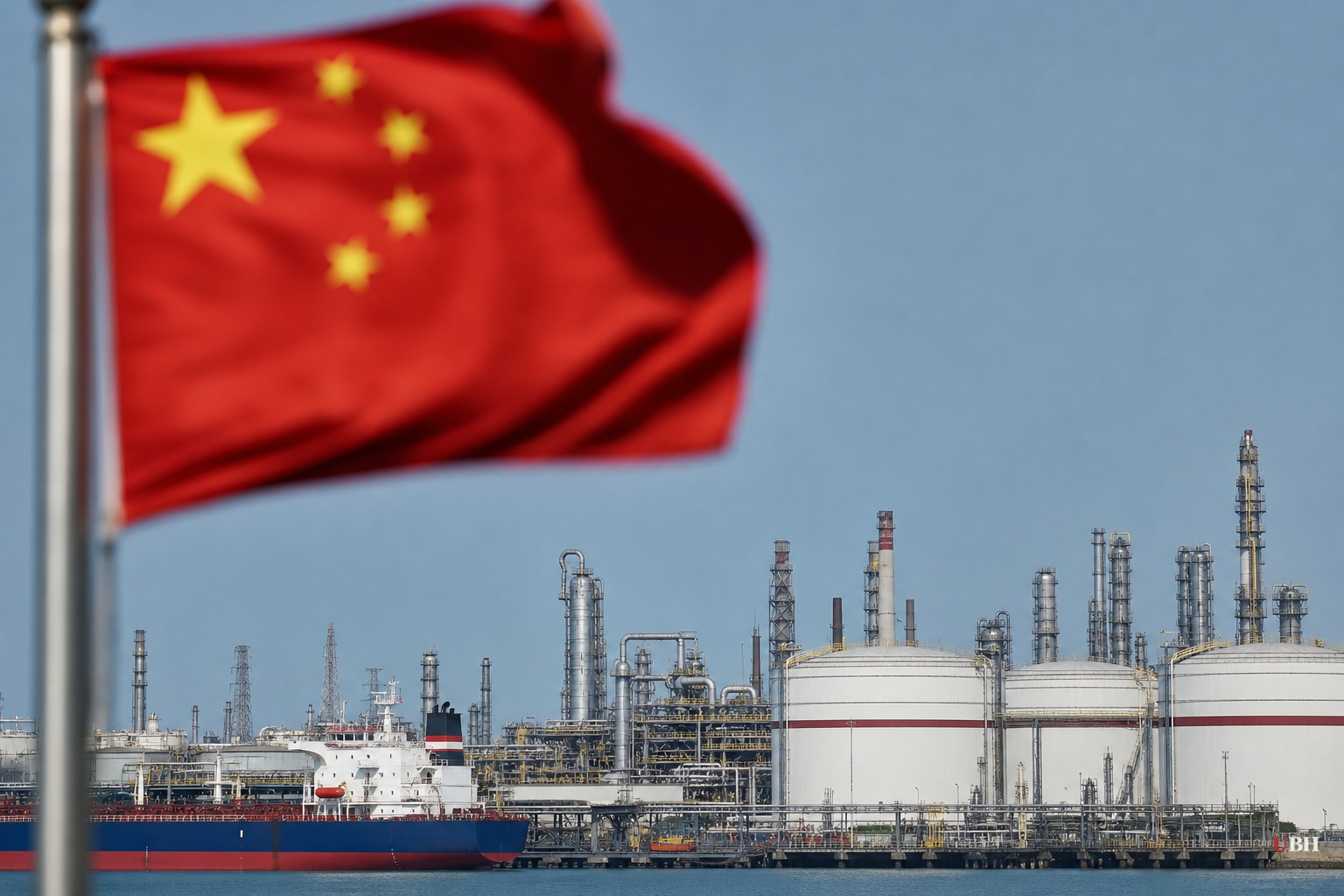
China has cut crude oil imports by more than 4 million barrels a day since the U.S. and Israel struck Iran on February 28, 2026, and the country is now absorbing almost the entire regional hit to Asian oil demand on its own, according to a Reuters analysis by columnist Clyde Russell.
The numbers are stark. China imported 8.41 million barrels per day in July, up from June's near-decade low of 7.12 million barrels per day, but still 24.3% below July 2025 levels. Combined, June and July imports averaged 7.78 million barrels a day, about 4.21 million barrels a day below the 11.99 million barrel average recorded in the three months before the war started.
The cause is the effective closure of the Strait of Hormuz, a waterway that used to carry roughly a fifth of the world's crude oil and refined products. Saudi Arabia and the United Arab Emirates have rerouted some exports through ports outside the strait, but Middle East flows are still down about 5 million barrels a day, according to the Reuters analysis.
Since most of that Middle East crude was headed to Asia anyway, the region's total imports cratered to 22.82 million barrels a day in July, according to data from commodity analytics firm Kpler. That's better than April's 18.77 million barrel low, the weakest since November 2015, but still roughly 4 million barrels a day below the pre-war average.
Asia's total import losses over the past two months line up almost exactly with China's own import decline. Beijing isn't just along for the ride. It's carrying the region.
Why China Can Afford to Pull Back
Price is the obvious driver. Brent crude was trading near $72 a barrel before the war and spiked to $126.41 on April 30, right when June and July cargoes would normally have been booked. China has a long history of stepping back from the market when prices spike, according to the International Policy Digest analysis of the Reuters data.
What's different this time is the scale. China has never cut this hard, this fast. Analysts cited in the Reuters column say China's crude stockpile, estimated at a minimum of 1.2 billion barrels and possibly much larger, gives Beijing room to draw down inventory instead of paying up for risky Gulf shipments.
InvestingLive's market analysis points to China's stockpile as a key factor masking the true scale of physical tightness in the oil market. If Beijing were forced to compete for barrels like everyone else, prices would likely be much higher right now.
A Brookings Institution policy brief adds important context on the divergence between how the U.S. and China have handled this. The United States drew down its own strategic and commercial stocks to export a record 5.6 million barrels a day in May 2026, partly filling the gap left by reduced Gulf production. China went the opposite direction, cutting imports by 3.6 million barrels a day, a volume roughly equal to Japan's entire daily demand.
Brookings pushes back on the popular framing of this as a simple "electrostate versus petrostate" story, where China's electric vehicle boom is doing the heavy lifting. New-energy vehicles made up about 62% of Chinese car sales in May, according to the Brookings brief, and that's a real structural shift. But Brookings is explicit that this trend has "played only a limited role" in helping China weather the crisis so far. The real buffer has been coal and stockpiled crude, not EVs.
China Isn't Just Cutting, It's Redirecting
China hasn't simply gone without oil. It's buying more from Russia. Ukrainian outlet UNN reported on August 6 that China's Sinopec, one of the world's largest refiners, purchased 30 to 40 cargoes of Russian ESPO crude for delivery between July and September, specifically to offset the drop in Middle East supply.
This is a significant detail in the market coverage. This isn't only about China tightening its belt. Beijing is actively working around Western sanctions pressure on Russia and around the Hormuz bottleneck simultaneously, buying discounted Russian barrels while sitting on a massive stockpile and letting Gulf suppliers sweat.
No source here claims China is deliberately punishing Iran or picking sides in the war. International Policy Digest is explicit that a drop in China's overall imports doesn't by itself prove Beijing is restricting purchases specifically from Tehran. Iran remains a heavily discounted, strategically important supplier for China regardless of the broader import slowdown.
What Happens Next
The open question is how long Beijing keeps playing shock absorber. Kpler data cited in the Reuters analysis projects China's Middle East imports will rise to 2.71 million barrels a day in August, up from 2.43 million in July, as cargoes that slipped through the Strait during a brief U.S.-Iran ceasefire finally get delivered.
InvestingLive's analysis flags September as the real test. If the ceasefire has broken down and tanker traffic is disrupted again, Middle East flows into China could tighten right back up. Whether China's stockpile drawdown slows, or whether Beijing's buyers pivot even harder toward Russian and non-Gulf barrels, will determine whether global oil prices stay muted or start reflecting the full scale of the Hormuz disruption that's been building since February.
Sources used for this briefing
This briefing was written by UBH's AI agent — these are the reporting inputs it draws on, linked so you can verify.


