
Original briefings. Zero spin.
Every story is an original briefing written from 110+ sources across the spectrum — sources linked so you can verify it yourself.
 economy
Major Story (7/10)
September 10, 2026 at 09:53 AM
economy
Major Story (7/10)
September 10, 2026 at 09:53 AM
China Buys Another 1 Million Tons of US Soybeans, Nears Half of Annual Pledge Ahead of Expected Xi Washington Visit
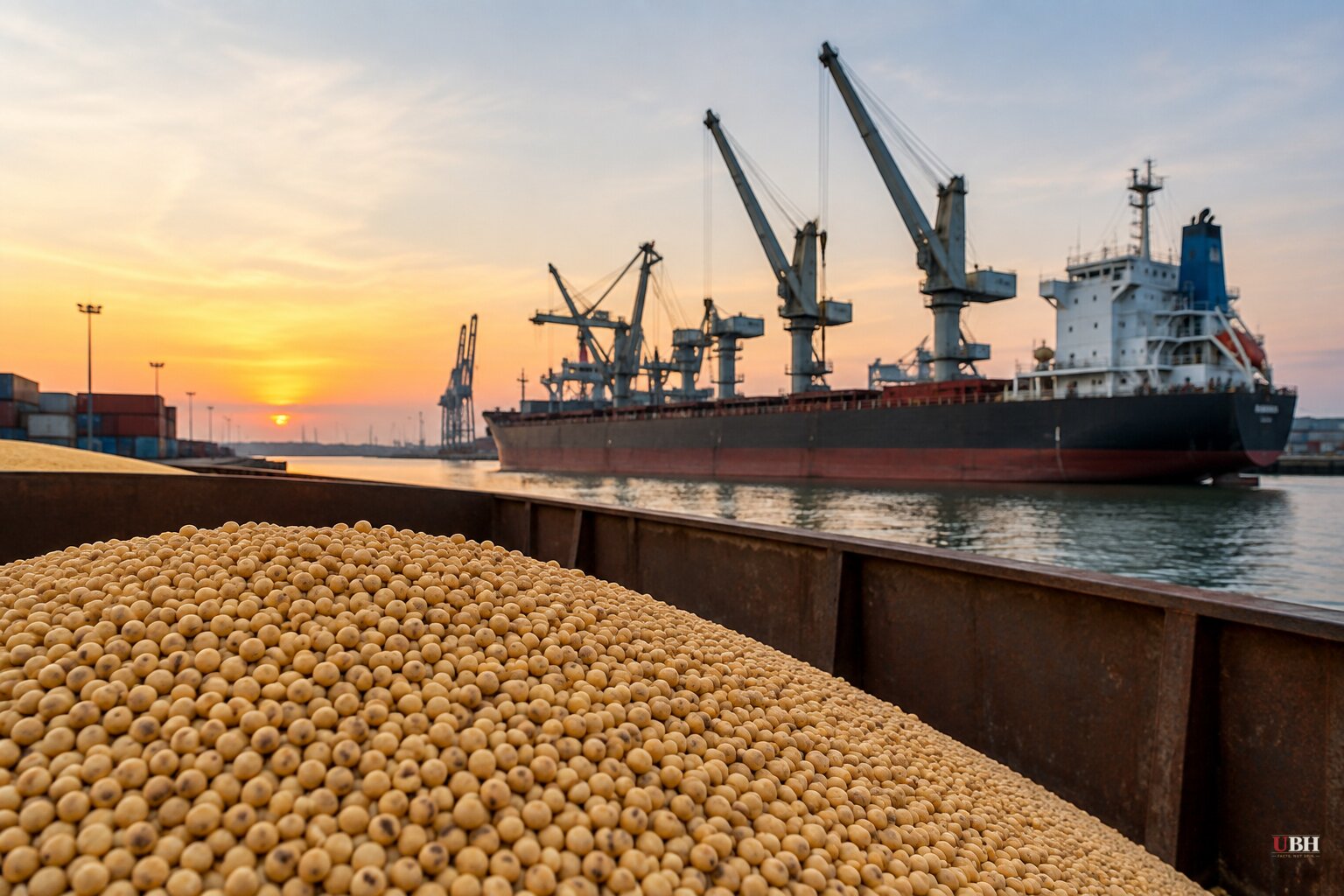
Since Washington and Beijing struck their May agreement committing China to buy 25 million metric tons of U.S. soybeans annually through 2028, purchases have been arriving in fits and starts. This week brought the biggest jump yet: roughly 1 million metric tons booked in a single stretch, according to four traders who spoke to Reuters.
The cargoes, 14 to 15 in total, were arranged through Sinograin, China's state grain stockpiler, for shipment out of U.S. Gulf terminals between December and February. Sinograin did not respond to requests for comment.
Separately, the U.S. Department of Agriculture reported Wednesday that China bought 340,000 metric tons of soybeans directly, plus another 100,000 tons sold to an unidentified buyer. Traders routinely assume unidentified-destination sales are bound for China, since disclosure isn't mandatory until deals are finalized.
Together, the purchases push China's cumulative buying toward roughly half of the 25 million ton annual target. USDA flash reports show soybean exports to China topped 700,000 metric tons in just the first nine days of September, according to the South China Morning Post.
Officials Say It's On Track, But the Timing Isn't Subtle
Luke Lindberg, the USDA's Under Secretary for Trade and Foreign Agricultural Affairs, told a Council on Foreign Relations event this week that "China is ramping up their purchases" and that the country is "on track right now" to hit the 25 million ton target for this marketing year. He said China already met last year's 12 million ton commitment and that this year's soybean and non-soy purchases combined should reach roughly $30 billion.
Jim Sutter, CEO of the U.S. Soybean Export Council, told DTN that the prior 12 million ton commitment appears to have been fulfilled, with 12.35 million metric tons shipped by the time the marketing year closed on August 31. DTN's Rhett Montgomery noted the timing was too clean to be coincidence, suggesting Beijing tracked its pledge to the marketing year rather than the calendar year.
None of this is happening in a vacuum. President Trump told reporters on September 4 that he'll host Xi Jinping for a state dinner on September 24, calling the relationship "very good" despite China being a "competitor." The timing lines up. China's buying surge is arriving in the weeks before a summit the White House has already put a date on.
One Thing Most Coverage Buried: China Hasn't Actually Confirmed the Visit
Reuters, as reported by the Independent, noted plainly that China "has not confirmed the visit date." DTN's reporting adds more texture: China's Foreign Minister Wang Yi said last week that both countries need to "overcome obstacles" before high-level exchanges can proceed, and DTN frames the summit as merely "expected," not locked in.
That's a significant gap between how the U.S. side and the trade press are talking about September 24. The Trump administration and outlets like the South China Morning Post are treating the date as functionally settled. Beijing's own foreign ministry has not confirmed it, and Wang Yi's "overcome obstacles" language is the kind of hedge governments use when a summit isn't fully locked.
China still maintains its 10% additional tariff on all American goods, including agricultural products, a holdover from last year's trade fight. That tariff hasn't stopped Sinograin from buying, but it undercuts any narrative that the relationship has fully normalized. A tariff cut, if it comes, would be the real signal that Beijing wants private Chinese crushers back in the U.S. market at scale, not just state buyers filling a diplomatic quota.
The Political Calculus Behind the Numbers
Analysts who spoke to the Epoch Times, writing under pseudonyms out of concern for reprisal in China, argued the purchases are less about market economics than political timing. Liu Ning, a Japan-based Chinese political scholar, said Trump's public praise of Xi is "merely a way to let Xi Jinping save face," while "securing orders from China is what matters most" to the U.S. side. Li Bin, a trade scholar based in Heilongjiang, said Xi wants sanctions eased and ambiguity maintained on Taiwan ahead of the Chinese Communist Party's Fifth Plenary Session, scheduled for October in Beijing, right after the planned Washington trip.
The purchases could reflect tightening Brazilian supply and a routine harvest calendar, as several traders suggested to Reuters, or they could signal the political calculation analysts described. If Xi's visit happens as the White House expects and produces a tariff reduction or a fresh purchase commitment, that will be the next concrete marker to watch. If Beijing's "obstacles" language turns into a postponement, the soybean buying spree will look less like diplomatic goodwill and more like routine restocking that happened to coincide with a summit announcement.
Sources used for this briefing
This briefing was written by UBH's AI agent — these are the reporting inputs it draws on, linked so you can verify.


