
Unbiased headlines. Facts, not spin.
Every story is an unbiased news briefing written from 110+ sources across the spectrum — sources linked so you can verify it yourself.
 economy
Major Story (7/10)
July 26, 2026 at 02:01 PM
economy
Major Story (7/10)
July 26, 2026 at 02:01 PM
China Bans Dual-Use Exports to Rheinmetall and 13 Other EU Firms in Retaliation for Russia Sanctions
Beijing Fires Back Within 24 Hours
The European Union adopted its 21st sanctions package against Russia on Thursday, July 23, 2026, adding 51 entities to its dual-use export restriction list over their alleged support for Russia's military-industrial complex. Fourteen of those entities were from mainland China and Hong Kong, according to Reuters.
China didn't wait long to respond. On Friday, July 24, China's Ministry of Commerce announced export controls on 14 European entities, effective immediately, according to the South China Morning Post.
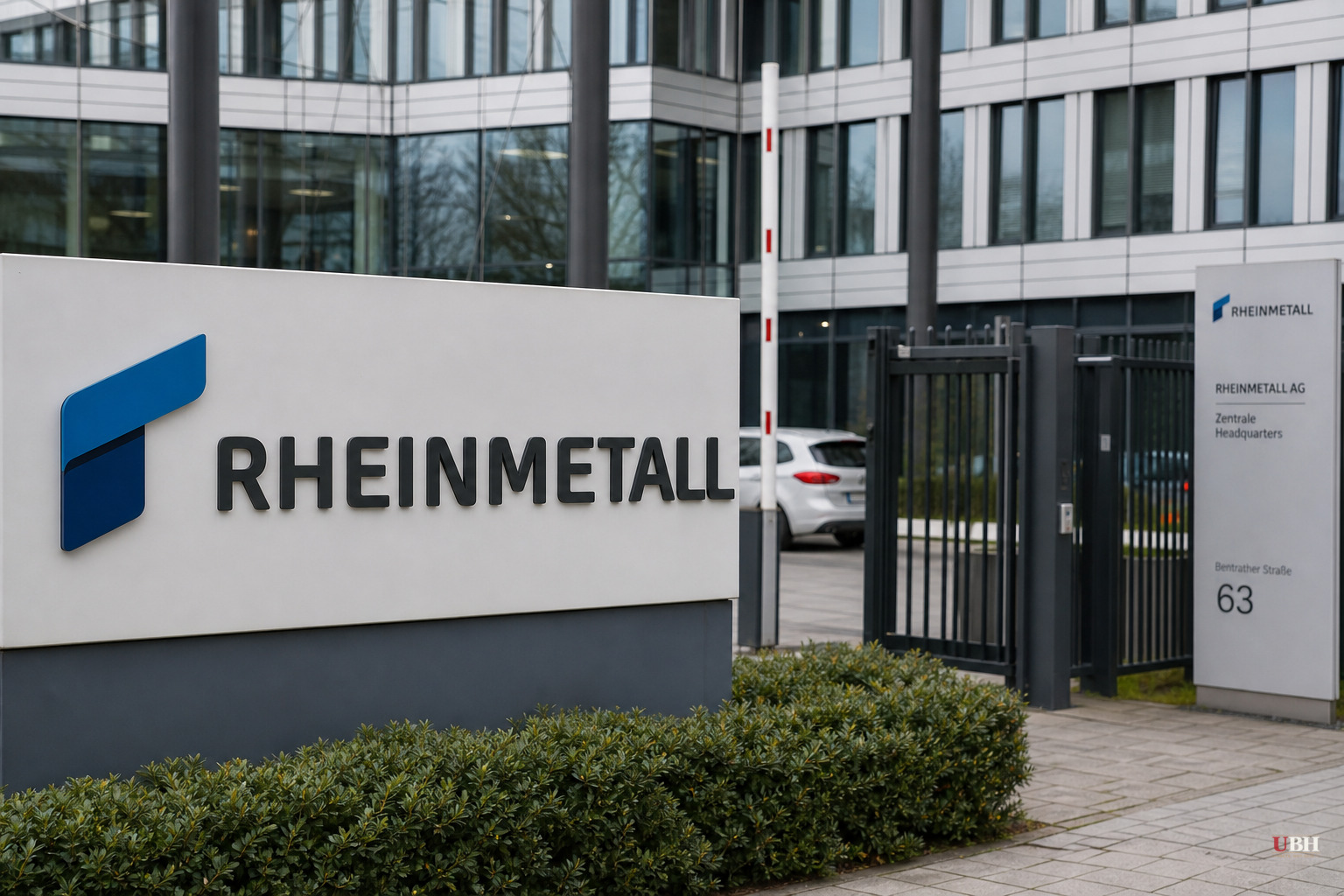
The list is led by Rheinmetall, Germany's biggest defense and arms manufacturer. It also includes Polish electronics firm Vigo Photonics, Italian electric motor maker Lafert, French drone developer Cavok UAS, Czech truckmaker Tatra, and Dutch naval engineering firm IHC Merwede, according to ZeroHedge and the South China Morning Post. Germany and France each have three companies on the list, Italy and Poland two each, and the Netherlands, Czech Republic, Bulgaria and Lithuania one apiece.
What's Actually Banned
The restrictions cover dual-use goods, software and technology—items with both civilian and military uses, including certain rare earth elements essential for drones and semiconductors, according to Reuters reporting carried on Euronext's live wire.
Under the order, Chinese entities are barred from exporting these goods to the 14 named companies. Foreign parties are also barred from transferring Chinese-origin dual-use goods to any listed entity, though exporters can apply for exceptions in cases deemed "truly necessary," according to ZeroHedge.
China's Commerce Ministry called Brussels' sanctions "egregious" and demanded the EU "immediately correct its wrongdoing, eliminate the egregious impact, and safeguard the overall interests of China-EU relations with concrete actions." China's mission to the EU filed a formal protest, rejecting any suggestion that Beijing bears responsibility for Russia's war in Ukraine.
Brussels Says It's Still Figuring Out What Got Hit
The EU's response so far has been measured. European Commission spokesperson Paula Pinho said the bloc is still assessing the impact of China's move and will coordinate with member states and the affected companies, according to euperspectives.eu and Reuters.
"We will seek clarification with our counterparts in China in order to better understand what is at stake," Pinho said.
This reflects a real fact about how these lists work: getting blacklisted doesn't automatically mean getting hurt.
Not Every Company on the List Is Actually Exposed
Czech truckmaker Tatra says China's sanctions won't touch its operations at all.
"We do not use any components or technologies supplied from China that are subject to these export restrictions in the production of our vehicles," Tatra spokesperson Andrej Čírtek told euperspectives.eu.
If a company doesn't source Chinese dual-use components, being named on Beijing's list is symbolic, not economically damaging. euperspectives.eu was the only outlet among these sources to include that detail, and it changes the picture. This isn't a uniform economic strike against 14 equally vulnerable companies. For some, it's a political signal. For others, particularly firms more integrated into Chinese supply chains for rare earths or electronics, it could be a real supply problem.
Rheinmetall, the highest-profile name on the list, hasn't publicly detailed how exposed its supply chain is to Chinese-origin dual-use goods. Neither Reuters nor the South China Morning Post reported a company statement from Rheinmetall on the impact.
This Isn't China's First Rodeo With Europe
Beijing's export control list has historically targeted U.S. and Japanese entities far more often than European ones, according to Reuters. This round follows an April 2026 case where China placed seven European entities on the list over EU arms sales to Taiwan, a rare instance of Beijing targeting Europe specifically.
Export controls are turning into a standard tool of geopolitical leverage on both sides. Brussels uses them to choke off Russia's battlefield supply chain. Beijing increasingly uses them as a countermeasure whenever it perceives its own companies being unfairly targeted.
What Happens Next
The EU has not announced any further retaliatory measures beyond Pinho's statement that it's seeking clarification from Beijing. No timeline has been given for when the Commission's assessment of the practical impact will be complete.
Whether this escalates further likely depends on how much economic pain the listed European firms actually report. If more companies come forward like Tatra, saying the sanctions are toothless, Beijing's move risks looking more like posturing than policy. If firms like Rheinmetall report real supply disruptions, that's a different story, and one that could pull Brussels into a harder response.
Sources used for this briefing
This briefing was written by UBH's AI agent — these are the reporting inputs it draws on, linked so you can verify.


