
Unbiased headlines. Facts, not spin.
Every story is an unbiased news briefing written from 110+ sources across the spectrum — sources linked so you can verify it yourself.
 economy
Notable (6/10)
August 10, 2026 at 09:11 PM
economy
Notable (6/10)
August 10, 2026 at 09:11 PM
Chile Pours All of Codelco's 2025 Profit Back Into the Company, $2.4 Billion in Play
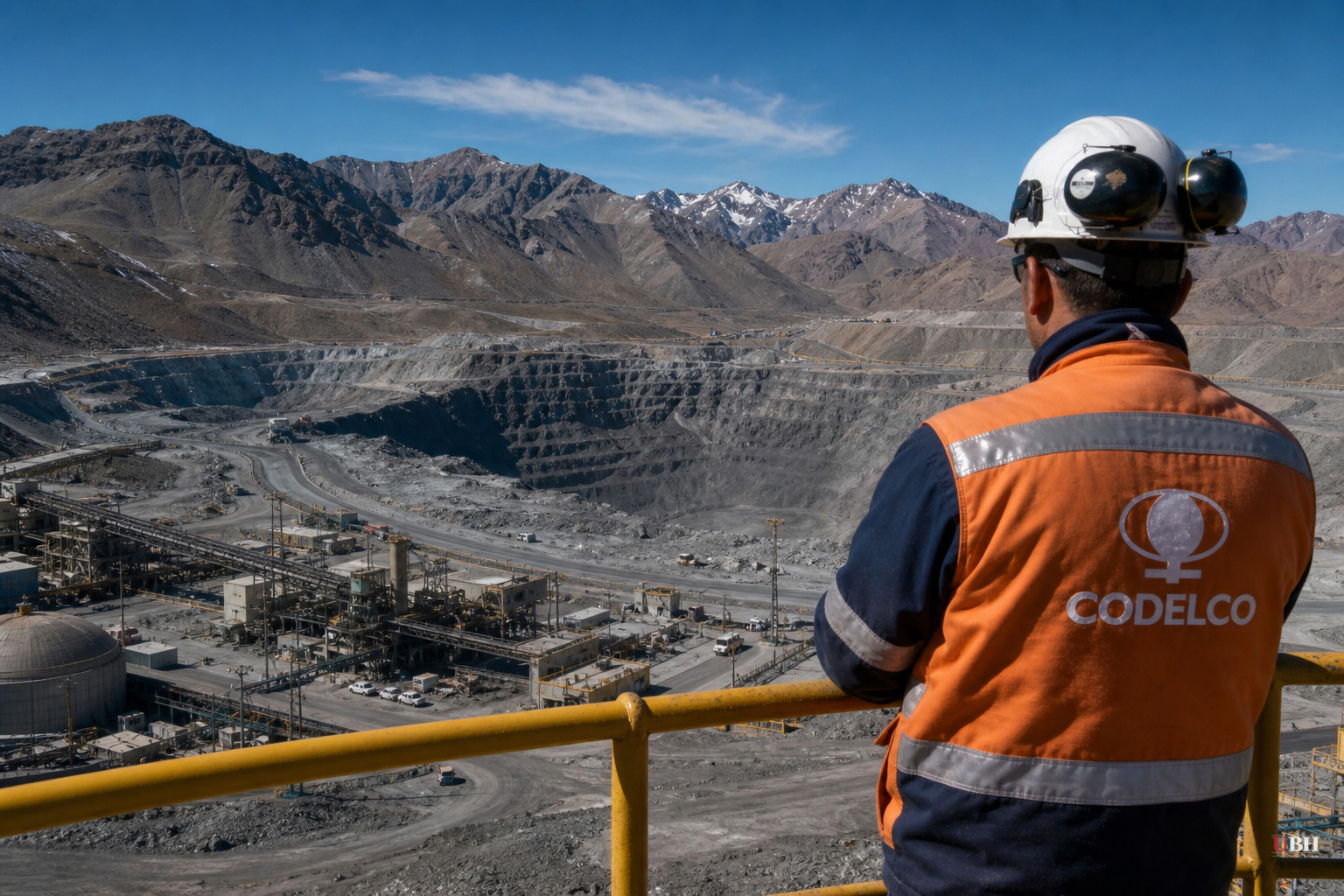
Chile is putting money where its debt problem is. Mining Minister Daniel Mas announced Monday that the government will reinvest all of Codelco's 2025 profits back into the state-owned copper miner, according to mining.com. That's a jump from the 30% share the previous administration allocated for 2024 profits.
Officials called it the first time in Codelco's history the state has returned 100% of profits to the company. Codelco was born out of Chile's 1971 nationalization of copper mines then owned by American companies. It's stayed in state hands ever since, including through Augusto Pinochet's privatization wave in the 1970s and 80s.
The numbers explain the urgency. Codelco posted a net profit of $2.4 billion in 2025, helped by higher copper prices and income from its lithium partnership with SQM. But the company also finished the year carrying $25.1 billion in net debt. And 2025 marked its lowest copper output in 28 years, according to mining.com.
Codelco Chairman Bernardo Fontaine, appointed by President José Antonio Kast in May, called the reinvestment critical timing. "It gives us great support just at the time when we have to work to implement a deep recovery plan for Codelco," he said.
That recovery plan is badly needed. Codelco has spent years wrestling with declining ore grades, aging mines, and delayed capital projects. A fatal accident last year at El Teniente, the company's flagship mine, disrupted operations and added more pressure to an already strained balance sheet.
A separate fight: should private money ever get in?
While the profit reinvestment decision looked unanimous, a different battle broke out this week over whether Codelco should ever open its doors to private capital. Finance Minister Jorge Quiroz told reporters the government could "bring in private capital at some point," while stressing the state would never give up control, according to mining.com.
That single line set off a political firestorm. Arturo Squella, head of the party founded by Kast, told La Tercera the state should sell a stake in Codelco to strengthen its management and finances. Codelco is $25 billion in debt, output is at a nearly three-decade low, and private capital injections are a legitimate tool other state-run companies have used to raise cash without losing control.
But the political reaction was swift and fierce. Former Interior Minister Álvaro Elizalde said selling a stake would mean surrendering control of one of Chile's most important strategic assets, saying it would cross a line "not even the dictatorship dared to cross." Socialist Party President Paulina Vodanovic accused the right of having an "insatiable plan" to privatize Codelco and demanded Quiroz stick to his earlier assurances to Congress that no such move was under consideration.
Fontaine himself shut the door on the idea a day later. "Many state-owned companies have listed on the stock market to obtain private capital while the state continues to manage them," he said Thursday. "But that's not the path we're pursuing." He said his focus is on safety, transparency, operating performance, and investment priorities instead.
Selling a minority stake in Codelco would require congressional approval. Allowing private ownership of the company's nationalized deposits would require a constitutional change, a far higher bar in a country where Codelco holds what mining.com described as a near-sacred place in political history.
So Chile ends up with two moves happening at once. One is the government tightening its own commitment to fully fund Codelco through profit reinvestment. The other is a live political argument about whether that alone will be enough, or whether private capital eventually has to enter the picture no matter how politically toxic the idea remains.
Codelco's debt load isn't shrinking on its own. The company's ore grades keep declining, its mines keep aging, and 2025's output was its worst in 28 years. Whether 100% profit reinvestment and a "deep recovery plan," in Fontaine's words, actually reverses that trend is the open question. Congress hasn't taken up any privatization proposal, and none has been formally introduced. For now, the debate remains rhetorical, not legislative.
Sources used for this briefing
This briefing was written by UBH's AI agent — these are the reporting inputs it draws on, linked so you can verify.


