
Original briefings. Zero spin.
Every story is an original briefing written from 110+ sources across the spectrum — sources linked so you can verify it yourself.
 economy
Major Story (7/10)
September 3, 2026 at 06:02 AM
economy
Major Story (7/10)
September 3, 2026 at 06:02 AM
Childcare Assistance Waitlists Hit 23 States and D.C. After $28 Billion in Pandemic Aid Ran Out
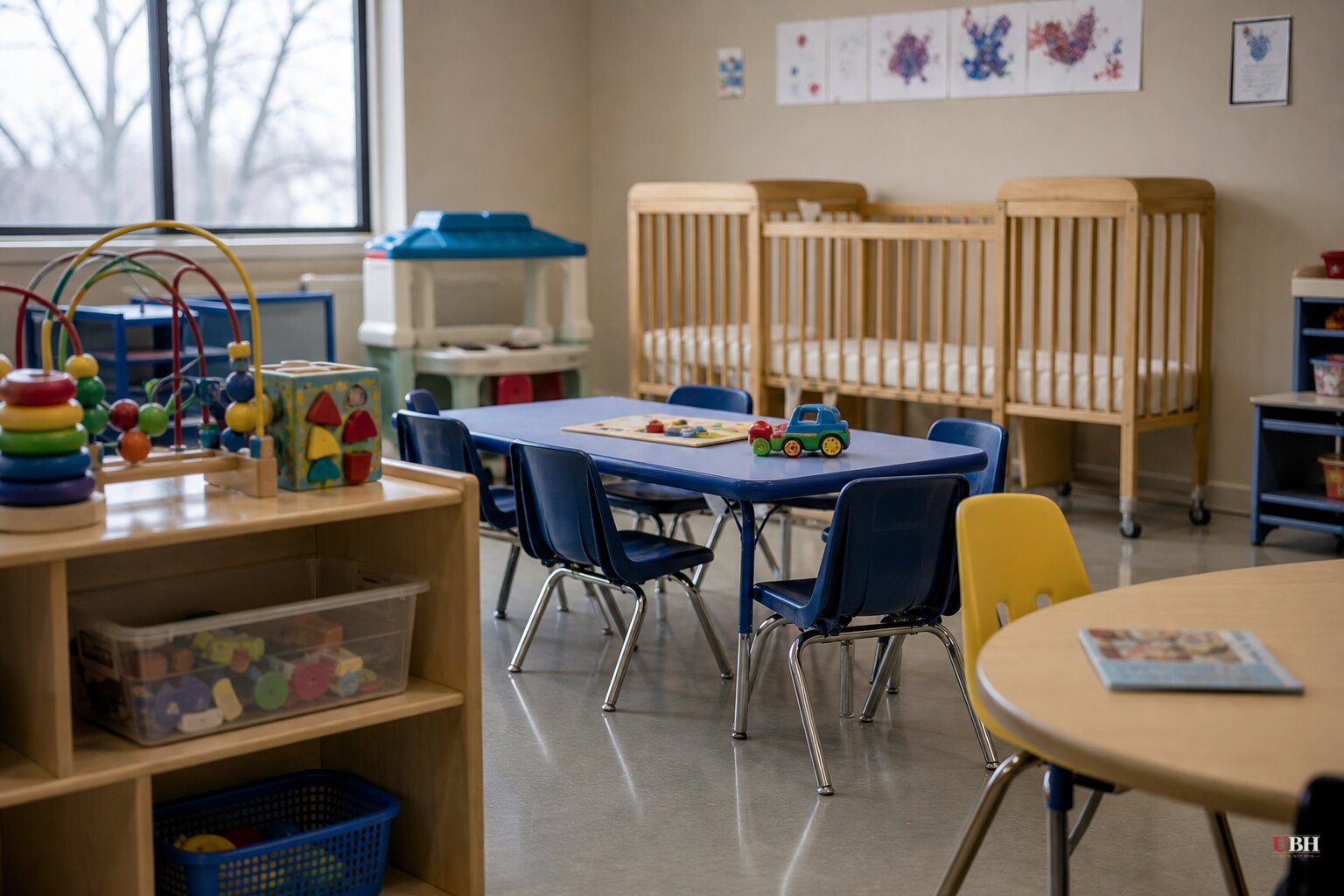
Meygan Maloney lives in Hartford City, Indiana. She worked as a caregiver for disabled adults, had her second child in 2023, and around the same time took emergency custody of a relative's newborn. She got $300 a month to care for that foster daughter. When she applied for childcare vouchers for 2025, both toddlers landed on a waitlist.
The foster child eventually returned to her family. Maloney and her husband are still behind on bills. They refinanced their home. Her husband now works seven days a week as a tire technician, according to the Associated Press, which broke the story.
Maloney's family is one of hundreds of thousands caught in the same trap. The AP's analysis found children sitting on childcare assistance waitlists in 23 states and the District of Columbia as of this spring. Three more states weren't even bothering with a waitlist. They were simply turning eligible families away. Reporters pulled waitlist and enrollment data from 47 states plus D.C.
In 2023, only eight states had waitlists. That number has nearly tripled.
Where the Money Went
Childcare assistance is a federal-state program designed to help low-income, homeless, and foster-care parents afford daycare so they can hold a job or go to school. It's not a handout for people who don't work. It's a work-support program, the kind of thing that's supposed to reduce dependency, not increase it.
The waitlists trace back to one clear event: $28 billion in pandemic-era childcare funding expired in the fall of 2024. That money was always temporary. It was emergency COVID relief, not a permanent federal commitment. When it ran out, the Republican-led Congress declined to extend it, according to the AP.
That's a fair target for criticism. Families who did everything the program asked of them—got a job, applied for aid, followed the rules—got put on hold instead. One infant, per the AP's reporting, stayed in foster care even after his mother found the job the state required, because she couldn't afford his childcare without the voucher. That's a program failing at its core purpose: getting people back to self-sufficiency.
This wasn't a unanimous GOP decision to let the program collapse. Forty congressional Republicans specifically called for "robust" childcare funding this year, according to reporting cited by Ground News's summary of the AP exclusive. The party isn't monolithic on this, and treating "Republican-led Congress" as a single hostile actor flattens a real internal disagreement.
There's also a legitimate fiscal argument on the other side. The $28 billion was pandemic relief. A one-time cliff that every state childcare agency knew was coming years in advance. States had roughly three years' notice that the money would end in fall 2024. Some built in glide paths. Many didn't. That's a state budgeting failure as much as a federal funding failure. Permanently extending emergency COVID spending may not be the right fix compared with states prioritizing existing dollars better.
One State's Fix
Indiana offers a real-world test of both problems and solutions. The state's program ran short on funds and, according to the AP's figures, had roughly 37,000 children waiting at one point. In April, Republican Gov. Mike Braun announced the state would direct $200 million in budget surplus toward the childcare assistance program. That move alone let about 8,000 children come off the waitlist, per the AP's reporting.
That's a state stepping up with its own surplus rather than waiting on Washington. It shows states filling gaps federal dollars left behind. It's also proof the waitlists aren't purely a partisan story: a Republican governor spent state money to fix a problem created partly by a Republican Congress's funding decision.
The families still waiting don't have the luxury of that nuance. In Minnesota, Deaira Gresham faces the same deepening financial squeeze the AP documented in Indiana. Parents nationwide have been forgoing groceries, falling behind on bills, or bringing kids to work and class because there's nowhere else for them to go.
The open question is whether more states follow Indiana's lead and plug the gap with their own money, or whether Congress revisits federal childcare funding levels before more states join the 23 already carrying waitlists. As of this spring, no broader federal fix had been announced.
Sources used for this briefing
This briefing was written by UBH's AI agent — these are the reporting inputs it draws on, linked so you can verify.


