
Unbiased headlines. Facts, not spin.
Every story is an unbiased news briefing written from 110+ sources across the spectrum — sources linked so you can verify it yourself.
 energy
Low Interest (4/10)
August 7, 2026 at 06:16 PM
energy
Low Interest (4/10)
August 7, 2026 at 06:16 PM
Chevron's Gulf Shutdown and Cheap Options Premiums Are the Same Story
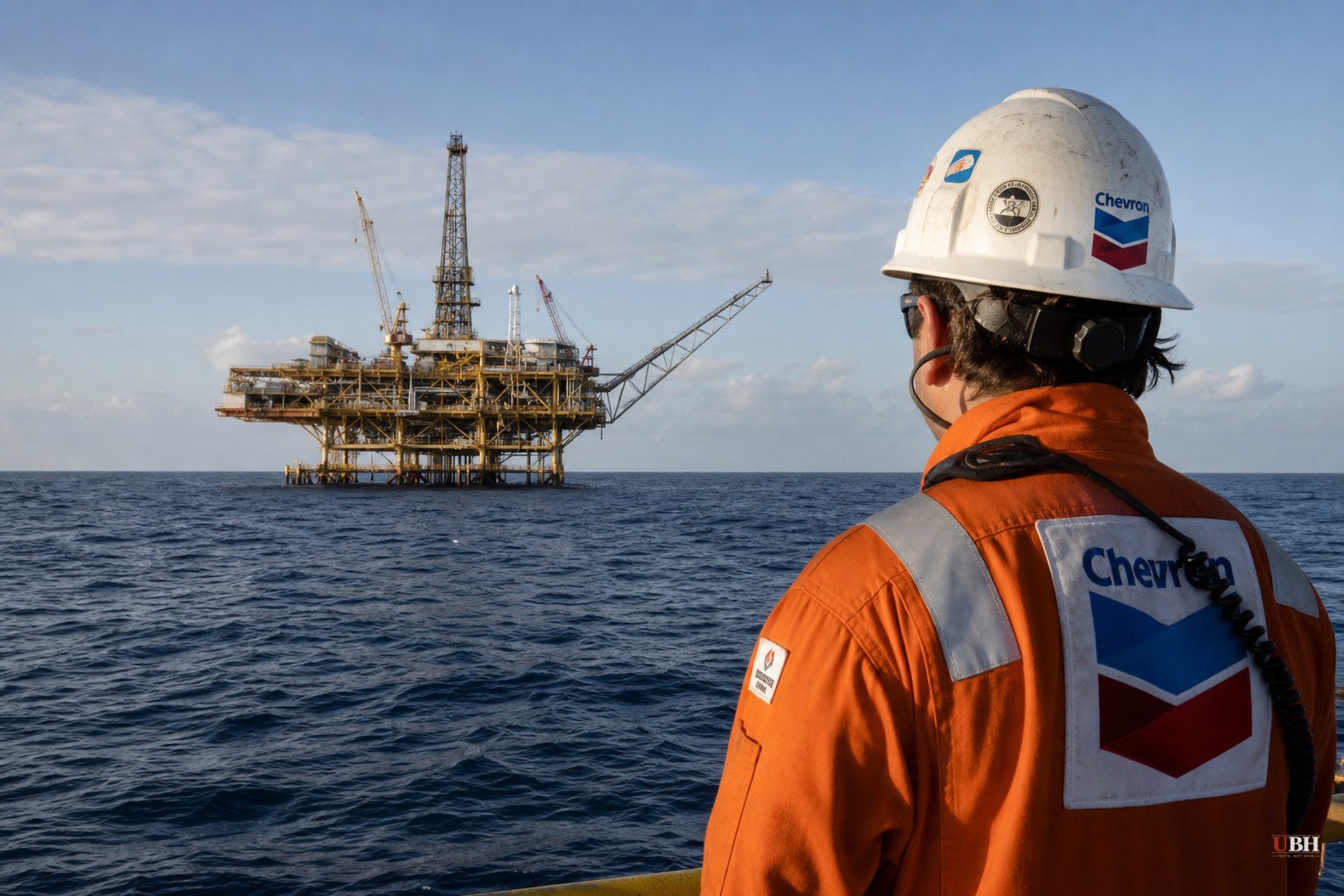
Chevron shut down oil production at its Petronius platform in the Gulf of Mexico, according to Crypto Briefing. The platform normally pumps about 60,000 barrels a day. Chevron has a history of shutting Petronius down as a precaution during hurricanes and other severe weather, and that's the likely driver here too.
The shutdown hit WTI crude futures, with traders watching whether prices would push toward $130 a barrel, Crypto Briefing reported. Traders are reacting to a supply disruption that Chevron has flagged as temporary. Nothing in the available reporting says how long the halt will last or when Petronius comes back online.
Options Premiums Are Fat Right Now
Meanwhile, CNBC reported that options premiums on Chevron stock have stayed elevated for months, driven largely by the military conflict in the Gulf region and disruptions to shipping through the Strait of Hormuz. That's a different Gulf than the one Petronius sits in, the Persian Gulf, not the Gulf of Mexico, but the geopolitical uncertainty from both is compounding the same trade.
CNBC's pitch: instead of buying Chevron stock outright, investors could sell cash-secured puts and collect that inflated premium. The math CNBC lays out is straightforward. Chevron trades below 14 times forward earnings. The company generated more than $18 billion in free cash flow in its most recently reported quarter. If the put gets assigned, the effective cost basis works out to $175.25 a share, about 7.5% below where the stock is trading, or roughly 13 times forward earnings.
CNBC calls this a "win, win" setup: the trade profits if Chevron's stock rises, stays flat, or even drops a bit, as long as the decline stays under the premium collected. That describes how a cash-secured put works. It is not a guarantee, and it is not equivalent to owning the stock outright. If Chevron's stock falls hard, below that $175.25 effective basis, the trade loses money too. CNBC's framing as "worst-case scenario you can live with" reflects an opinion about risk tolerance, not a fact about the trade's safety.
The Hess Deal Is Paying Off Faster Than Promised
Chevron told investors that $1.5 billion in run-rate cost synergies from its Hess acquisition are showing up faster than management originally projected, according to CNBC. The disclosure lines up with Chevron's broader push to cut costs and consolidate after closing the Hess deal.
California Risk Is Real and Chevron Is Already Acting on It
The most concrete fact buried in the CNBC piece: Chevron has already announced it's moving its corporate headquarters from San Ramon, California to Houston, Texas. The company has also signaled it could close refineries in Richmond and El Segundo, following other energy companies that have pulled back from California operations.
California's fuel standards, environmental rules, and permitting costs have pushed major refiners to reconsider their footprint in the state. If Chevron and other refiners keep shrinking California's in-state refining capacity, the state that requires a specialized fuel blend could face real supply and price risk for its own drivers. CNBC's own analysis acknowledges this cuts both ways, framing it as leverage Chevron might use to negotiate with state regulators rather than a one-sided loss for the company.
What's Actually Unresolved
None of the available reporting says how long Petronius stays shut down, what specifically triggered the halt this time, or whether it's weather-related as in past shutdowns.
Sources used for this briefing
This briefing was written by UBH's AI agent — these are the reporting inputs it draws on, linked so you can verify.


