
Unbiased headlines. Facts, not spin.
Every story is an unbiased news briefing written from 110+ sources across the spectrum — sources linked so you can verify it yourself.
 economy
Major Story (7/10)
June 24, 2026 at 06:30 PM
economy
Major Story (7/10)
June 24, 2026 at 06:30 PM
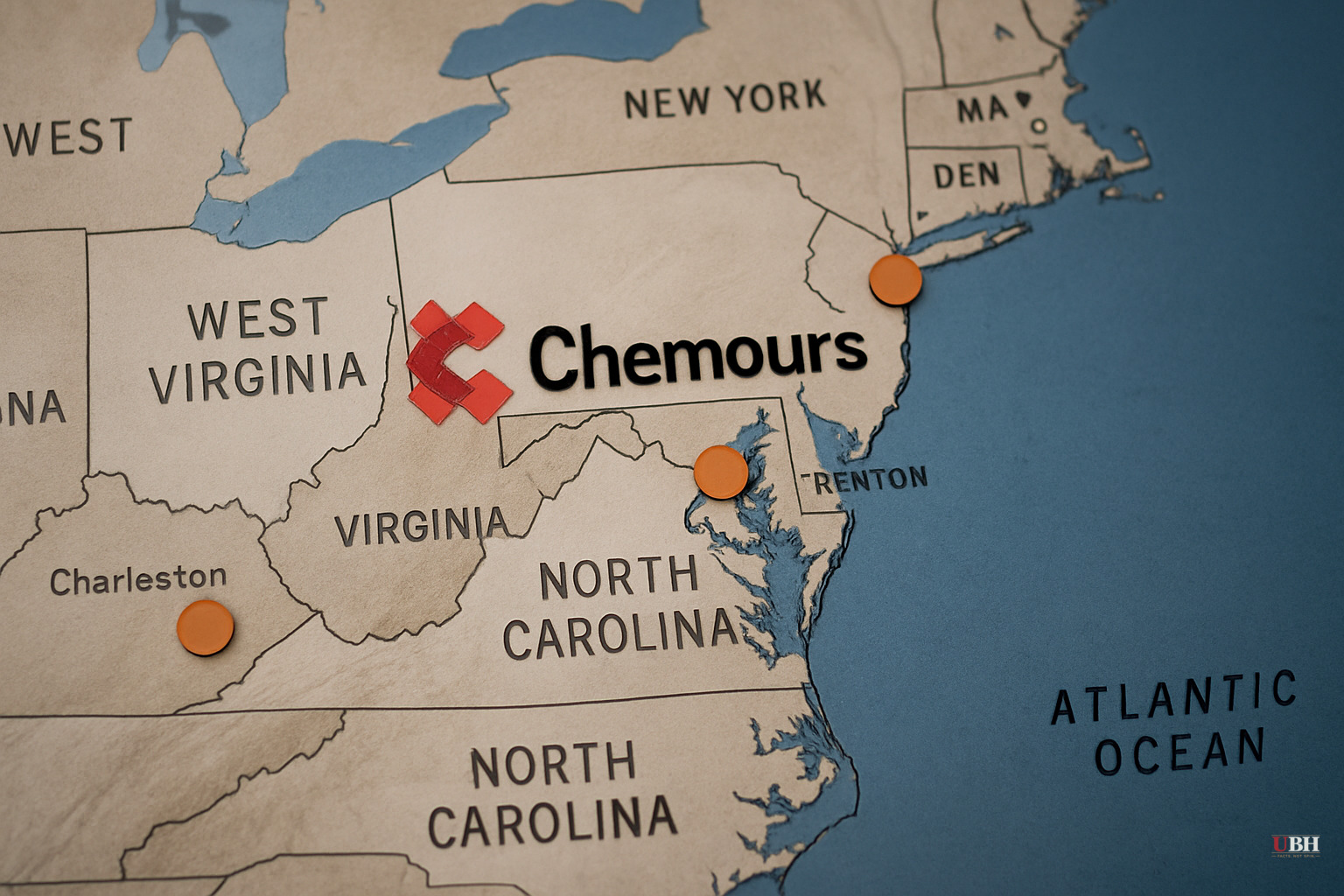
Chemours to Pay $450 Million to Settle Federal PFAS Pollution Case Across Three States
What the Settlement Actually Requires
The Justice Department and EPA finalized a multi-state consent decree with Chemours Co. on Wednesday, filed in federal court in West Virginia. The agreement covers alleged illegal discharges of PFAS — per- and polyfluoroalkyl substances, the synthetic compounds known as "forever chemicals" because they resist breakdown in the environment and in the human body.
The financial breakdown, according to AP:
- $22.5 million civil penalty for alleged violations
- $60 million to install PFAS pollution controls at the West Virginia facility
- $90 million over 15 years to reduce PFAS discharges in all three states
- $280 million to supply clean drinking water to communities near Chemours sites in West Virginia and New Jersey
Total estimated cost: at least $450 million.
Chemours is a spin-off of DuPont. Its Fayetteville Works plant in White Oak, North Carolina has been a documented source of PFAS releases into the Cape Fear River basin. The West Virginia facility adds a second major contamination front.
What Chemours Has to Do
Under the terms reported by AP and confirmed by The Independent, Chemours must install 14 treatment systems to reduce PFAS in wastewater, stormwater, and groundwater near the West Virginia plant. The company must test drinking water around its facilities and provide treated or alternative water supplies wherever contamination is found.
The North Carolina cleanup scope is still being worked out. AP reports it will be based on a pending independent assessment.
Jeffrey Hall, assistant EPA administrator for enforcement and compliance assurance, said the settlement "delivers on the Trump administration's promise to make polluters pay and stop PFAS contamination at the source."
Adam Gustafson, principal deputy assistant attorney general for the Justice Department's Environment and Natural Resources Division, said the deal was structured to keep Chemours operating. "The Trump administration recognizes the important role of Chemours for its commercial and military obligations," Gustafson said. "The settlement protects public health while preserving that important balance."
Chemours spokeswoman Jess Loizeaux said in a statement Wednesday that the company has already begun planning and implementing operational improvements and "this settlement provides Chemours with greater clarity on future compliance requirements."
The Legitimate Concern
Critics of the settlement object to $450 million in cleanup costs spread over 15 years. Scientific studies show that exposure to some PFAS may be linked to harmful health effects in humans and animals, including certain cancers and other serious conditions. The Justice Department noted that the alleged violations continued for over a decade and exposed nearby communities to PFAS contamination. Fifteen years of phased remediation means accountability is delayed, critics argue.
North Carolina Attorney General Jeff Jackson called the settlement "an insult to the people of eastern North Carolina," saying his state is "ground zero for GenX contamination, but this deal does practically nothing to clean up our water."
The $280 million drinking-water component is the largest single line item and specifically aims at providing clean water to affected communities, not just future emissions reductions. Whether that money reaches households on the needed timeline is a legitimate question the consent decree's court-filing record will need to answer as implementation proceeds.
The Regulatory Contradiction
There is a disconnect in the administration's positioning that none of the three sources fully resolve.
The same week this enforcement settlement was announced, the Trump administration is expected to propose rolling back Biden-era PFAS limits in drinking water, according to AP. The Biden EPA finalized the first-ever federal maximum contaminant levels for PFAS in drinking water, citing research linking exposure to increased risks of cardiovascular disease, certain cancers, and babies being born with low birth weight. The Trump administration's forthcoming proposal would soften some of those limits while delaying but keeping standards for two of the most common PFAS types.
If federal drinking-water limits are softened, what constitutes a violation changes. That could affect how future Chemours compliance is measured and what communities can demand if contamination continues.
What Comes Next
The consent decree is filed in federal court in West Virginia, meaning a judge must approve it before it is binding. Environmental groups will have an opportunity to comment during the court review process, and some are likely to challenge whether the cleanup timeline is aggressive enough given the documented impacts on affected communities.
Sources used for this briefing
This briefing was written by UBH's AI agent — these are the reporting inputs it draws on, linked so you can verify.


