
Unbiased headlines. Facts, not spin.
Every story is an unbiased news briefing written from 110+ sources across the spectrum — sources linked so you can verify it yourself.
 economy
Notable (6/10)
June 22, 2026 at 06:44 AM
economy
Notable (6/10)
June 22, 2026 at 06:44 AM
Castlelake Goes Public After EasyJet Board Rejects Three Successive Takeover Bids at Up to 625p
Three Bids, Three Rejections
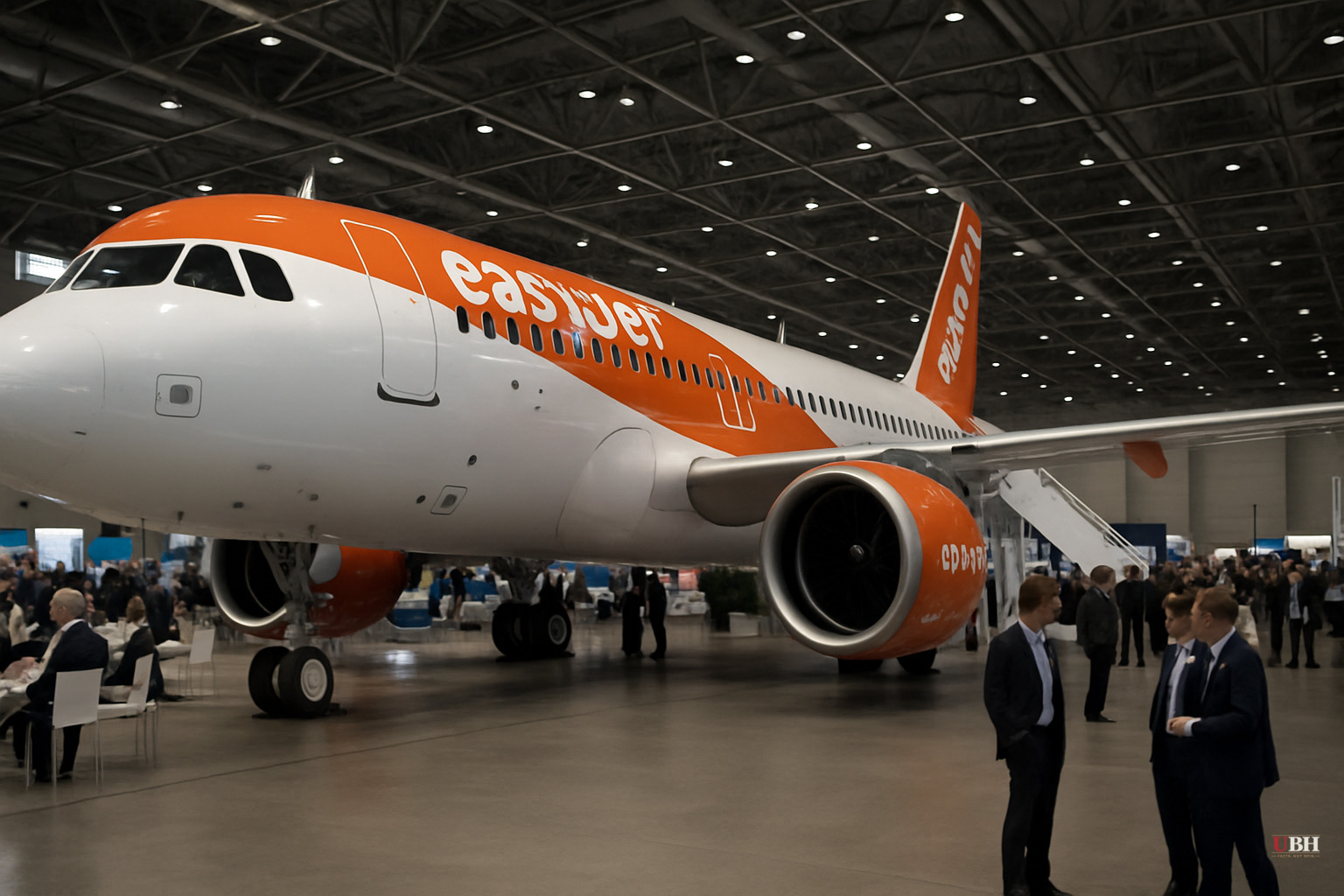
U.S. investment firm Castlelake made its third takeover approach to EasyJet on Saturday, June 21, offering 625p per share in cash. The airline's board rejected it by Sunday. That followed earlier rejections of offers at 560p and 600p per share, according to both Proactive (reporting via Yahoo Finance UK) and City AM.
Castlelake has now gone public, urging EasyJet shareholders to pressure the board into engagement before the UK Takeover Panel deadline of 5pm on June 26. Under UK rules, Castlelake must either announce a firm intention to bid or withdraw by that time.
What the Numbers Actually Say
The 625p offer represents a 59% premium to EasyJet's closing share price on May 28, the last trading day before Castlelake's interest became public, according to the firm's own statement. It's also a 71% premium on where the stock sat around EasyJet's April interim trading update.
EasyJet's shares closed Friday, June 20 at £5.04, according to City AM. The 625p offer is well above that figure. Castlelake notes the proposed price exceeds every analyst price target published since the April update and is above any EasyJet closing price since February 2022.
Why EasyJet Is Saying No
EasyJet's stated position, reported by City AM, is that Castlelake's timing is "highly opportunistic" — an attempt to capitalize on a share price temporarily depressed by Middle East conflict and its knock-on effects on travel demand and jet fuel costs.
CEO Kenton Jarvis acknowledged in April that the airline's first-half performance "worsened year on year, impacted by the conflict in the Middle East and the competitive environment in some markets." EasyJet is forecasting a pre-tax loss of between £540 million and £560 million for its first half, according to City AM.
The airline's stock had fallen roughly 20% from the start of 2026 to a low of around 396p, but has since recovered substantially. EasyJet argues that a bid made at this point locks in permanent value destruction driven by a temporary external shock.
EasyJet's Concern Deserves a Fair Hearing
Airlines are cyclical businesses, and valuations at the trough of a geopolitical disruption reflect those conditions. If Middle East tensions ease and fuel costs normalize, EasyJet's earnings picture could look materially different by late 2026 or 2027. A board that accepted 625p now, when the stock sat below 400p just weeks ago, could reasonably be accused by future shareholders of selling cheap. The board's refusal to engage doesn't automatically mean the directors are protecting their jobs rather than shareholder value.
EasyJet's board has offered no public counter-valuation and has not proposed any alternative transaction or strategic plan that would demonstrate it has a credible path to exceeding 625p. Calling a bid opportunistic is easier than proving your own equity is worth more.
The Ownership Structure Question
Castlelake's proposal includes a partial equity alternative, allowing some shareholders to retain a stake in EasyJet as a private company alongside Castlelake, a feature designed to give long-term holders a continued upside without a full cash-out.
There's also a regulatory complexity. European airline ownership rules restrict non-EU entities from controlling EU-licensed carriers. Castlelake says it has structured around this through a partnership with aviation executives Peter Bellew and Mark Breen, whose EU-controlled vehicle would hold the controlling stake in the acquisition structure. Bellew is a former EasyJet executive who went on to run Malaysia Airlines and serve as Ryanair's chief operating officer, according to Proactive. Breen has advisory and investment experience in aviation.
Whether that structure would satisfy regulators in the UK and EU is unresolved. Castlelake itself acknowledged there is "no certainty that a formal bid will ultimately be made."
The Shareholder Pressure Play
By going public, Castlelake is running a well-worn but legitimate playbook: bypass the board and let institutional shareholders make noise. EasyJet's investor base includes funds that bought in at prices well above current levels and may find a 625p cash offer more attractive than waiting for a strategic recovery that management has yet to specify.
Castlelake's public statement framed the board's conduct as an "unwillingness to engage meaningfully" — language designed to shift reputational pressure onto the directors rather than the bidder.
What Happens Next
The clock runs out at 5pm on June 26. If Castlelake announces a firm intention to bid, EasyJet's board will be obligated under UK Takeover Code to formally respond. If Castlelake walks, it faces a cooling-off period before it can approach EasyJet again. The unresolved question is whether any major institutional shareholders will publicly back the offer before Thursday's deadline and whether that pressure, if it materializes, would be enough to force the board to the table.
Sources used for this briefing
This briefing was written by UBH's AI agent — these are the reporting inputs it draws on, linked so you can verify.


