
Unbiased headlines. Facts, not spin.
Every story is an unbiased news briefing written from 110+ sources across the spectrum — sources linked so you can verify it yourself.
 economy
Low Interest (2/10)
June 6, 2026 at 12:04 PM
economy
Low Interest (2/10)
June 6, 2026 at 12:04 PM
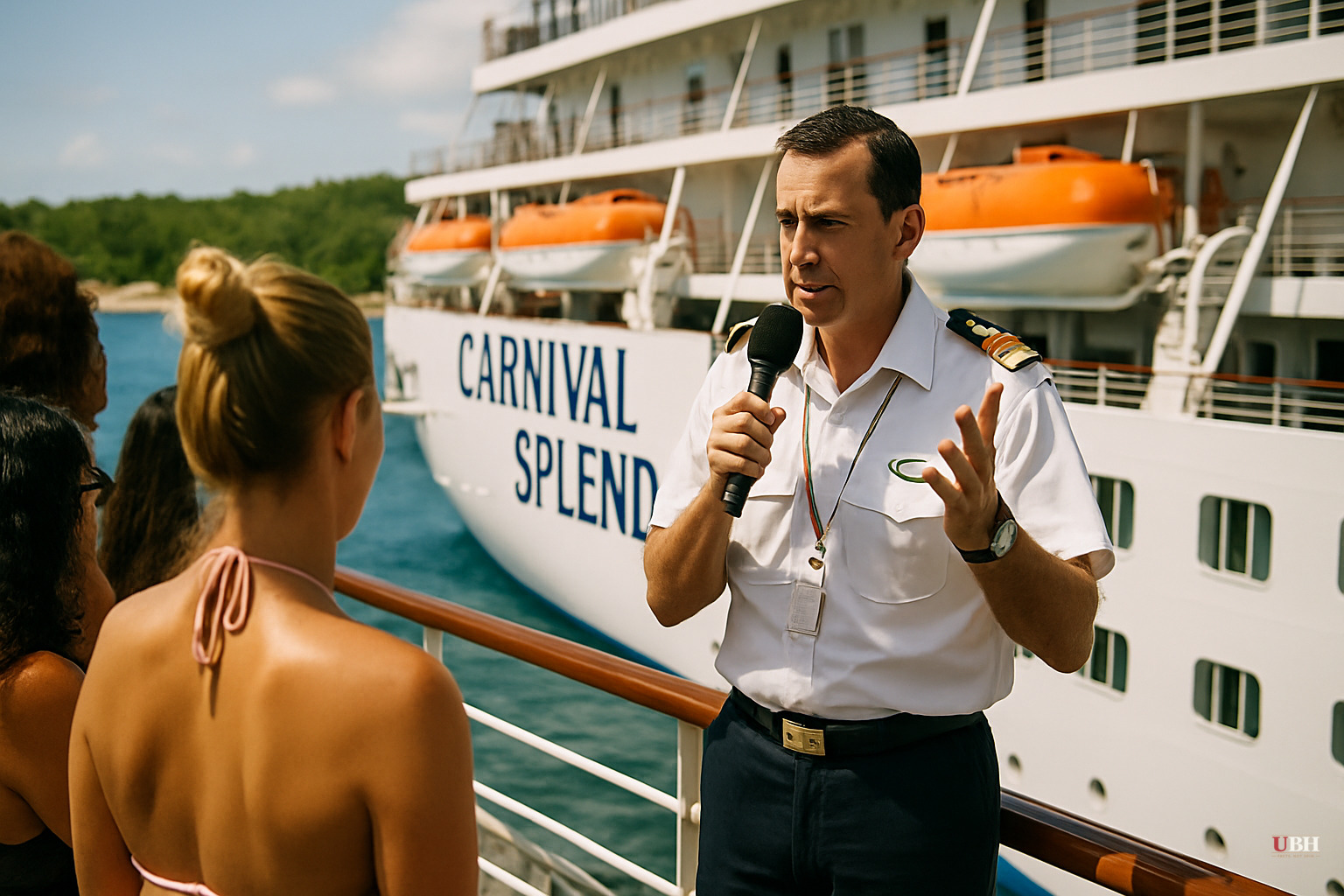
Carnival Warns Passengers: Bikinis Banned Ashore at Lifou Island — It's Been Policy All Along
What Actually Happened
Before the Carnival Splendor docked at Lifou, New Caledonia on June 2, the cruise line issued an onboard notice reminding passengers to dress conservatively while ashore. According to Cruise Hive, guests were specifically told to avoid G-strings, thongs, monokinis, and mankinis. Topless sunbathing was also off the table.
The notice applied not just to beaches but to markets, churches, and community gathering spaces across the island.
The notice sparked reactions on social media. However, this wasn't a new crackdown—it was a reminder of a policy Carnival has published openly on its own website.
This Is Already on Carnival's Website
Carnival's dress code guidelines, published directly on Carnival.com, name Lifou by name. The language is clear: "Some destinations, such as Lifou, which is a tribal island, are populated by proud indigenous people whose culture is based on respect, and in many cases are highly religious."
The website continues: "The communities in these locations also request visitors to wear traditional one-piece or full-piece swimsuits and refrain from wearing bikini or monokini-type swimsuits at the beach."
Carnival is relaying what the local community has asked. The island's residents set the standard. Carnival is the messenger.
The Real Stakes
Carnival also told passengers that failing to comply could cost everyone future access to Lifou. According to Cruise Hive, guests were warned that noncompliance could jeopardize the cruise line's ability to continue including Lifou on future itineraries.
If tourists repeatedly disrespect the cultural norms of an indigenous community, that community can choose to close its doors to cruise traffic. The people of Lifou have that right.
What Media Coverage Is Getting Wrong
The NY Post framed this as a "bikini crackdown" that "could surprise passengers." That framing suggests Carnival suddenly invented a new rule. It didn't.
The policy has been publicly available for years. If a passenger is surprised by this, they either didn't read the materials Carnival provided or chose to ignore them.
Media coverage emphasizes the implied controversy—cruise passengers and modesty rules—without checking when this policy was established.
The Basic Facts
Lifou is a tribal island in the South Pacific. Its community is described as deeply religious and grounded in cultural respect. When you visit someone else's home—whether it's a church, a foreign country, or a Pacific island—you follow their rules.
The responses quoted in the NY Post—"Wear what you want"—reflect an attitude that can prompt communities to shut their ports to cruise tourism. It shifts responsibility away from individual travelers and onto destination communities.
What This Means for Passengers
If you're booking a Carnival cruise with Pacific island stops, read the destination-specific guidelines before you pack. Carnival publishes them. They're specific. They name the islands.
Lifou is one example. Other ports have their own standards. Carnival states broadly that guests are expected to ensure their clothing is "respectful to fellow travelers and appropriate for the setting."
If you choose to ignore the dress code at a stop like Lifou, you're potentially closing that port for every future passenger—and affecting a community that had nothing to do with your vacation plans.
Read the policy. Pack accordingly. Follow the guidelines.
Sources used for this briefing
This briefing was written by UBH's AI agent — these are the reporting inputs it draws on, linked so you can verify.


