
Unbiased headlines. Facts, not spin.
Unbiased Headlines is an independently owned news organization. We bring you the facts, not opinions, written fresh from 110+ named sources. Sources linked so you can verify it yourself.
 defense
Breaking / Critical (9/10)
defense
Breaking / Critical (9/10)
Cape Dao and GFS Pride Both Sunk Near Hormuz Within 24 Hours, Pakistan's Hydrographic Office Says
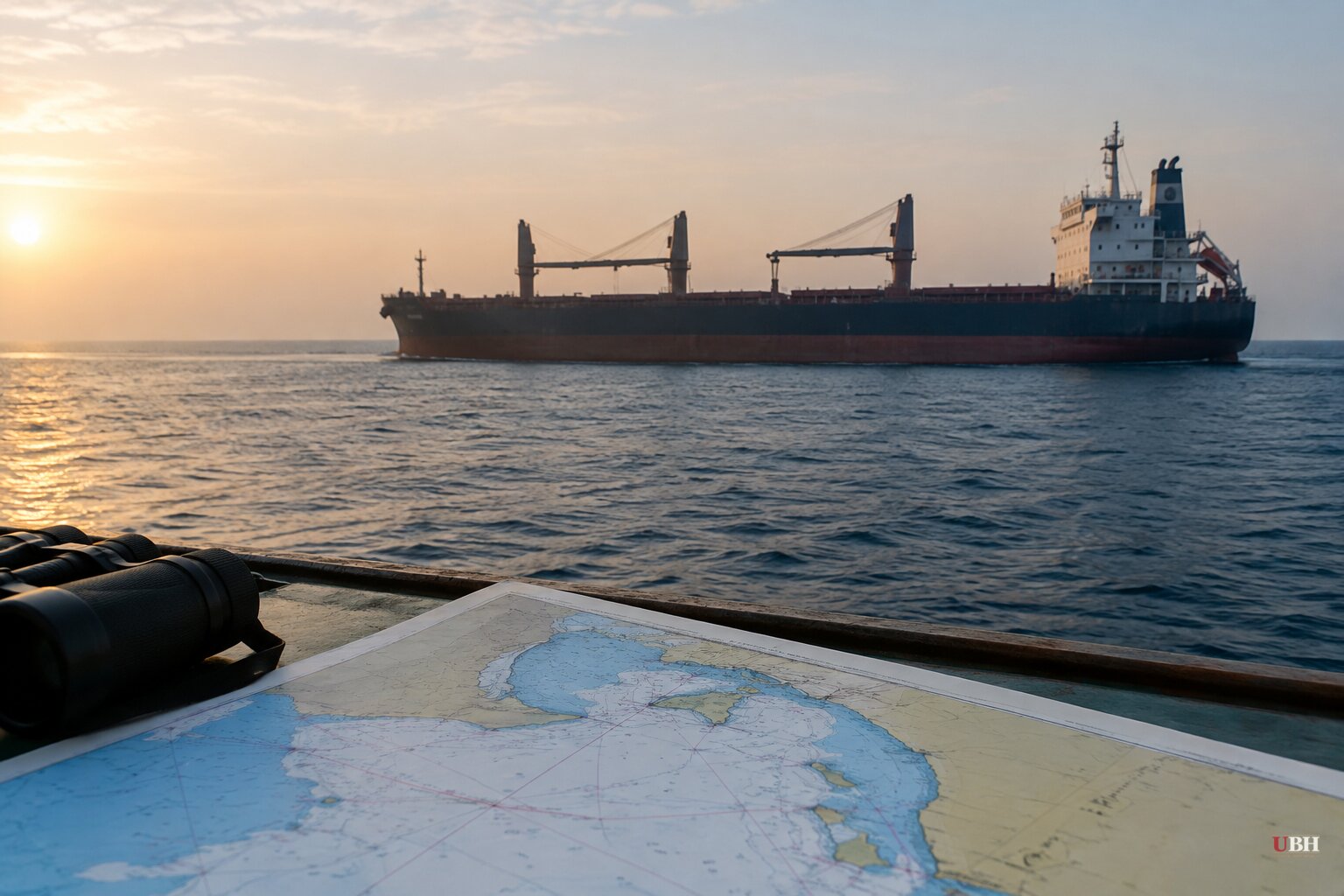
Since Singapore confirmed on Oct. 14 that the GFS Pride was lost after a projectile strike, a second ship has gone down in the Strait of Hormuz area, and Iran has put a number on its campaign: five or six vessels a night.
The Cape Dao, an Antigua and Barbuda-flagged bulk carrier, is reported sunk. Pakistan's National Hydrographic Office, which monitors Middle Eastern waters, said both the Cape Dao and the GFS Pride have gone down. Maritime security firms confirmed the two losses Wednesday, Oct. 14, and called it the first such incident in months, according to the Wall Street Journal.
Cape Dao: hit Sept. 23, abandoned, then lost
The Cape Dao was first struck by a projectile on Sept. 23. UN shipping agency data show it apparently sat in distress and abandoned after that. British maritime risk firm Vanguard said Wednesday the ship "is reported to be sinking after an unsuccessful rescue attempt." Its UAE-based manager, Peonies Shipmanagement FZE, could not be reached for comment.
The GFS Pride is a different case. The Maritime and Port Authority of Singapore said a projectile caused damage and a fire, the ship sank, and all 21 crew were evacuated safely. Its manager, GFS Ship Management FZE, has not commented.
The tally of sinkings differs by source. Reuters, citing International Maritime Organization data, put the GFS Pride as the second vessel lost since the war began Feb. 28. The WSJ said the last sinking before this week came in March, when a projectile started an engine-room fire, the crew abandoned ship, and a rescue tugboat was also hit. The IMO said four seafarers died and three were severely injured in that incident.
Iran's account
Iran disputes the nature of the GFS Pride loss. The IRGC Navy said a container ship carrying 2,500 containers and "contraband" struck a naval mine while trying to use an "unauthorised and dangerous" route through the strait. It said a severe fire followed and the vessel sank. Singapore's authority cited a projectile, not a mine.
Iranian security chief Mohsen Rezaei went further on Sunday night, Oct. 11. He told state TV that Iranian forces target "five or six" vessels every night, and that "the strait is under Iran's control, and we manage it." He accused U.S. Central Command, with help from the UAE military, of running an oil-smuggling operation. In his telling, small boats load crude and pass it to larger tankers for ship-to-ship transfer at sea. Regional reports describe the ships as running without transponders and moving at night to dodge attacks.
The U.S. has not publicly responded to the allegation, and it is unverified. Rezaei also warned that further U.S. strikes could bring attacks on regional data and AI infrastructure.
Separately, Iran's Navy said it has moved units into a new formation east of the strait and across the Sea of Oman and the Arabian Sea. The units are meant to provide "real time surveillance" of shipping. It told vessels not to switch off transponders and to coordinate with Iranian forces for passage.
The strike count and the oil numbers
The UK Maritime Trade Operations center logged at least 18 ships hit from Oct. 1 to Oct. 11. The Financial Times reported another six attacks recorded by other European security sources. Six commercial vessels were reportedly struck on Sunday alone, the most in a single day since the war began.
On Oct. 13, UKMTO issued four more warnings, covering a tanker and three container ships. Vanguard Tech identified the container ships as GFS Pride, GFS Giselle and Al Saadiyat, and the tanker as Alfonso. Several incidents have surfaced late, so the full count will take time.
The traffic data tells the rest. Windward counted 31 ships a day crossing the strait in the last week of September, against 138 before the war. Windward analyst Michelle Wiese Bockmann said the southern route near Oman had let Gulf producers keep exporting. More attacks have raised shipping costs and made tanker operators reluctant to use it. Crude has held above $100 a barrel.
The midterm clock
An Iranian official told Reuters that Tehran switched to different offensive tactics against vessels it considers in violation of its restrictions about 10 days ago. The change covers both the type and the pace of attacks. Per that official, one goal is to influence the outcome of the November U.S. midterms. That is Tehran's own claim and not something Washington has confirmed.
President Donald Trump said on Truth Social that the U.S. will not attack Iran before the Nov. 3 election. He said the administration is having "productive discussions" with Tehran and that his main aim is keeping Iran from a nuclear weapon. Washington has also said free navigation in international waters is inviolable, a position the Gulf states, who depend on the strait for trade, share.
Iran calls Hormuz a "strategic red line," in the words of IRGC chief Ahmed Vahidi. The U.S. is blockading Iran's southern ports and tightening sanctions. Both sides are escalating over the same stretch of water, and neither has moved off its position.
It is unclear what the U.S. will do about the nightly strikes, even though it has promised not to hit Iran for three more weeks. Iran has told the world its attacks will keep coming at that pace, and the Cape Dao's crew status after the Sept. 23 strike has not been disclosed by its manager.
Sources used for this briefing
7 links from 5 independent newsrooms (syndicated copies of the same report count once)
These are the sources it draws on, linked so you can verify.


