
Unbiased headlines. Facts, not spin.
Unbiased Headlines is an independently owned news organization. We bring you the facts, not opinions, written fresh from 110+ named sources. Sources linked so you can verify it yourself.
 defense
Breaking / Critical (9/10)
defense
Breaking / Critical (9/10)
Hormuz Ship Attacks Reach Highest Daily Pace of the War as Iran Deploys New Naval Units and Houthis Hit Riyadh
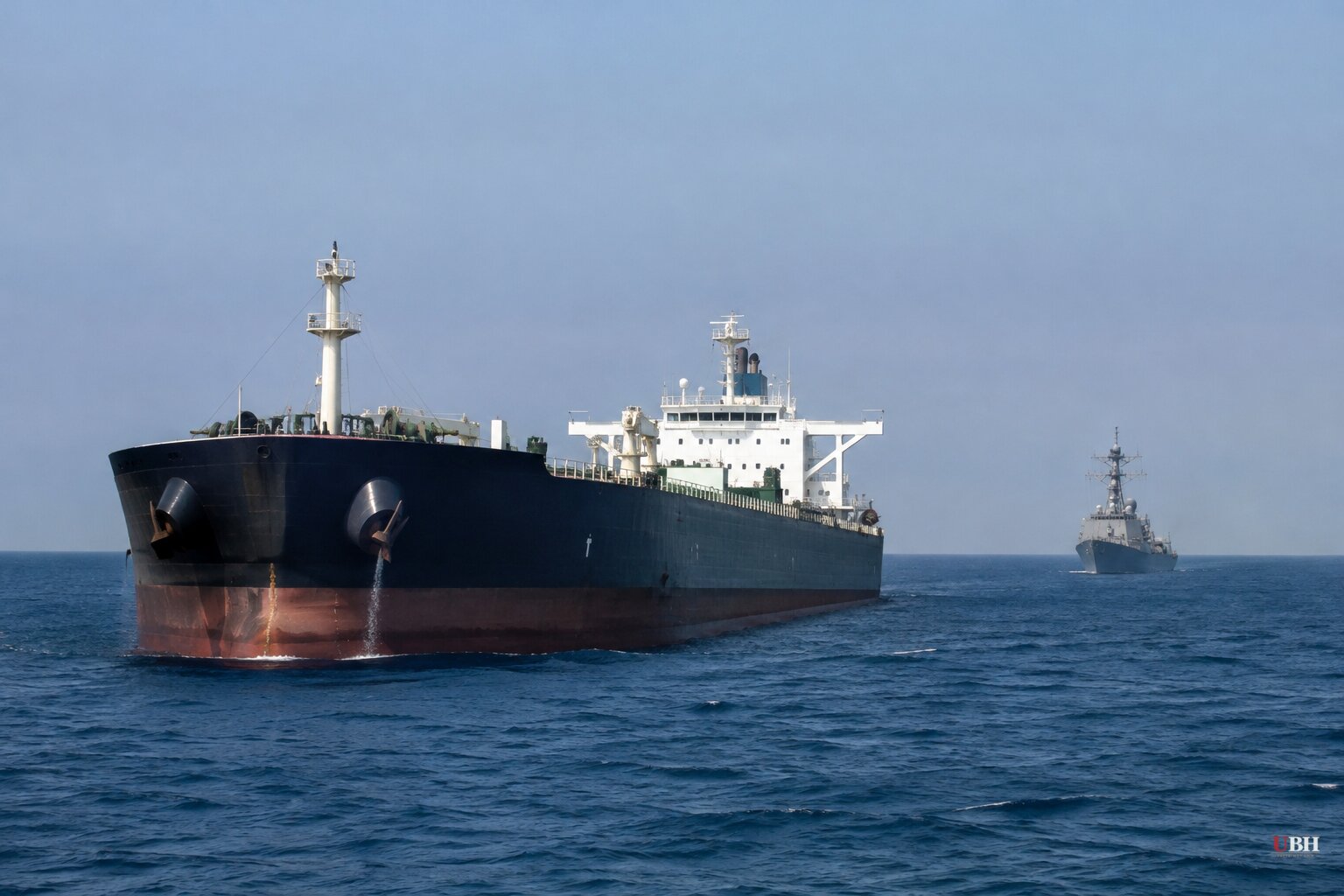
Since the war began Feb. 28, Iran and the United States have fought over who controls Hormuz. Seven and a half months in, the tempo is the story: the strait is seeing the most attacks of the entire conflict.
A record pace of strikes
UKMTO logged at least five incidents in the 48 hours before Wednesday, Oct. 14, including drone strikes on tankers and other commercial ships near the strait. UKMTO data and maritime security sources put the single-day high at six vessels targeted.
Between Oct. 5 and 12, at least 14 attacks, attempted attacks and interceptions were recorded. More than 18 vessels were targeted in the first 12 days of October alone, according to the same data. That already exceeds September's total of 18.
The Financial Times counted 24 ships hit in the two weeks to Oct. 11. Three were refined-product tankers and two were crude tankers.
The trend has been climbing since clashes resumed in July. At least 12 vessels were attacked that month and at least 10 in August, including tankers off Fujairah and Sohar.
"There is a tempo increase in strikes, which looks deliberate," one maritime security source said.
A second ship in trouble
Beyond the GFS Pride, which we have already reported sunk, maritime security sources say the Antigua and Barbuda-flagged Cape Dao is also sinking close to the strait. It was hit by a projectile on Sept. 23.
Iran has not addressed the Cape Dao. For the GFS Pride, Iran's Revolutionary Guard said a naval mine struck the ship on an "illegal and dangerous route." UKMTO has said both vessels were hit by unidentified projectiles.
The IRGC has told the same story about other targets. It says some were damaged by mines while sailing "illegally" on routes it considers "unsafe." It also calls the targeted supply vessels, tugboats and small tankers part of "illegal oil smuggling and an attempt to break the Hormuz blockade."
Iran widens its footprint
Iran's navy said it has deployed units in a new formation east of the strait and across the Sea of Oman and the Arabian Sea. Press TV reported the move Tuesday, and the navy tied it to a tanker that was damaged and caught fire. The units will keep "real time surveillance of enemy activities and maritime traffic," the navy said.
It also warned ships not to switch off their transponders and urged them to coordinate with Iranian forces for safe passage. Iran has required prior IRGC Navy authorization to transit since May 30.
An Iranian official told Reuters that Tehran began using different offensive tactics against ships it considers in violation of its rules about 10 days ago. The official said the change in type and pace of attacks was meant in part to influence the U.S. midterm elections on Nov. 3. That claim rests on one unnamed official and has not been confirmed by Tehran publicly.
Oil flows through the strait had recovered to pre-war levels in September and have since dropped sharply, according to the tracking cited by Al Jazeera.
Washington's blockade
The U.S. is enforcing its own chokehold. CENTCOM said a fighter jet disabled the Panama-flagged M/V Ocean Molica in the Gulf of Oman on Oct. 10 with a precision munition to the stern. The ship had left an Iranian port and ignored repeated warnings, CENTCOM said, and the crew was not harmed.
CENTCOM says the blockade resumed July 14. Since then, four commercial vessels have been disabled and 135 turned around. U.S. forces have also destroyed 10 tankers linked to what CENTCOM calls the IRGC's multibillion-dollar shadow network.
Iran says its attacks are a response to that blockade. CENTCOM rejected a claim by Iran's ambassador to the International Maritime Organization that U.S. forces use "threatening, abusive, and provocative language" toward Iranian mariners. It called the charge "FALSE" and said the blockade has been "professionally communicated."
Trump and the Pentagon maintain that commercial traffic is still moving through Hormuz under coordinated protection from U.S. forces and regional partners.
The Houthi front
The Houthis are pressing a second front against Saudi Arabia. Saudi Civil Defense issued an early warning Wednesday for Riyadh and Al-Kharj. The Saudi-led coalition said it intercepted a ballistic missile fired at Riyadh, and booms were heard in the capital.
The Houthis told shipping companies, civilians and workers to evacuate airports and oil facilities, which they declared legitimate targets. White House economic adviser Kevin Hassett said they have hit Aramco facilities, including its executive headquarters overnight Wednesday.
Hassett blamed September's disappointing inflation figures on the energy shock from Houthi attacks on a Saudi pipeline and on refinery strikes by Iraqi proxies. He said the East-West pipeline is back up and running. Brent was around $105 Wednesday, against $98 on Sept. 30.
Retired Lt. Gen. Karen Gibson, a former CENTCOM intelligence director, said Trump has "a lot to weigh" on backing Riyadh more forcefully. She warned that U.S. action could open "another significant front" that pulls ships, aircraft and intelligence assets from Hormuz. She also said it could turn Bab el-Mandeb into "another key choke point."
What comes next
The Guardian reports U.S. fuel prices are up almost 70% since the war began, and Republicans are bracing for the Nov. 3 vote. Trump has not said whether he will commit U.S. forces against the Houthis.
Saudi Arabia still plans to host its Future Investment Initiative forum in Riyadh from Oct. 26 to 29. Diplomatic sources told AFP that organizers are offering virtual attendance and alternative air and land routes. Whether foreign leaders and executives travel into a city under missile alerts is an open question.
Sources used for this briefing
6 links from 6 independent newsrooms (syndicated copies of the same report count once)
These are the sources it draws on, linked so you can verify.


