
Unbiased headlines. Facts, not spin.
Every story is an unbiased news briefing written from 110+ sources across the spectrum — sources linked so you can verify it yourself.
 economy
Notable (6/10)
July 28, 2026 at 11:42 PM
economy
Notable (6/10)
July 28, 2026 at 11:42 PM
Canadian Travel to U.S. Fell 25% in 2025, Costing $2.3 Billion in Lost Spending
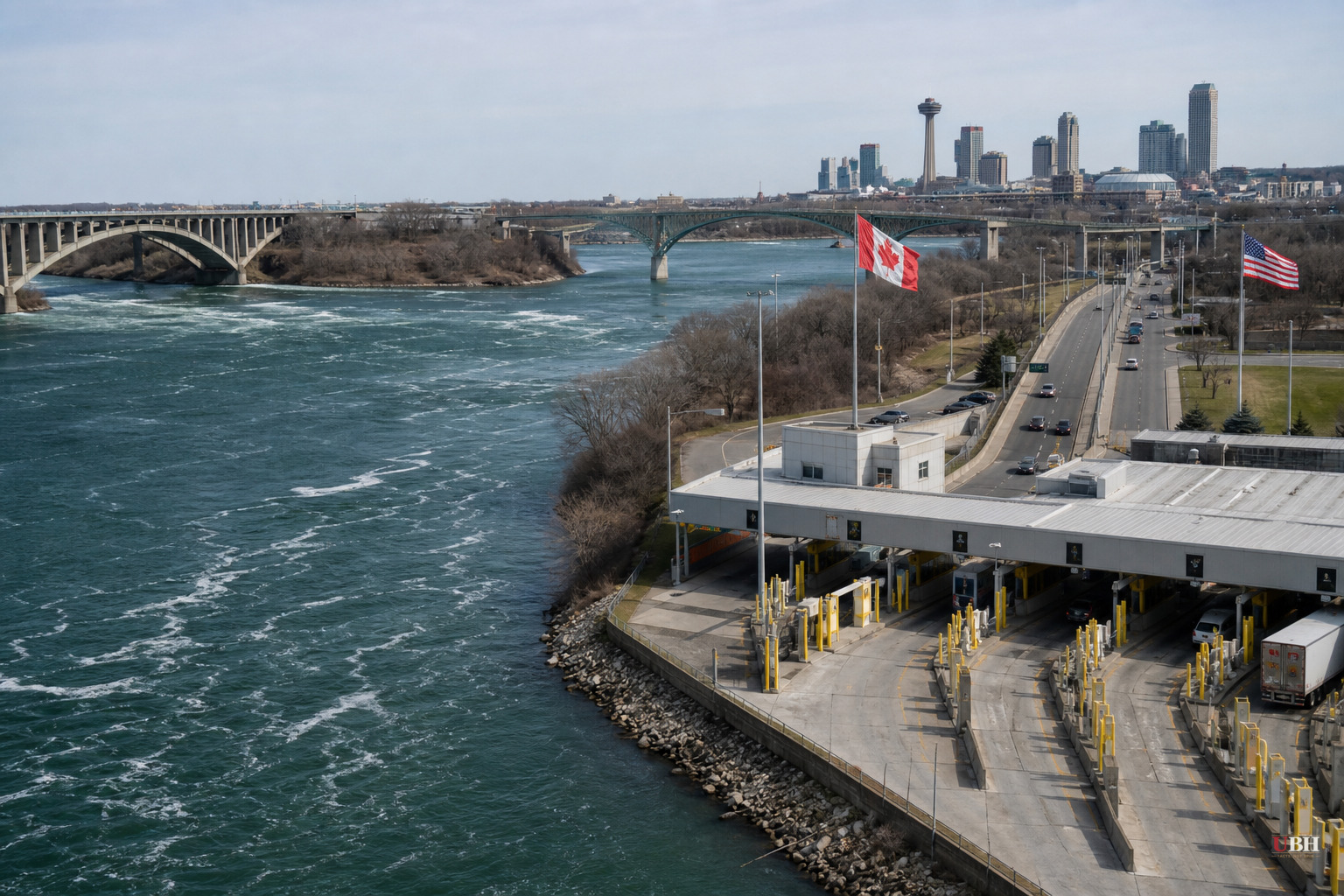
Canadian tourists spent $2.3 billion less in the United States in 2025 than the year before, according to a report from the Canadian government. Total Canadian spending on U.S. trips fell to C$18.8 billion (about $12.8 billion), down from C$22.1 billion (about $15.6 billion) in 2024.
Travel volume tells the same story. Canadian trips to the U.S. dropped 25 percent year over year. Return trips to Canada declined for 11 straight months in 2025, the longest sustained slide outside the pandemic era since record-keeping began in 1972.
Canada has historically been the single largest source of foreign tourists to the United States. A 25 percent drop from that market is not a rounding error. It shows up in hotel occupancy rates, restaurant receipts, and retail sales in border states and tourist cities.
What Changed in 2025
The timing lines up with a string of policy moves and rhetoric from President Trump. His administration imposed tariffs on Canadian-made goods, tightened immigration enforcement at the border, and Trump repeatedly floated the idea of Canada becoming the "51st state."
"Following the change in the U.S. administration in early 2025 and the implementation of America First policies, Canadian travel sentiment shifted abruptly," the Canadian government report states.
That claim comes directly from the report itself, not a media interpretation. Correlation between the policy timeline and the travel drop is strong. The report does not, however, break out precisely how much of the shift is due to tariffs versus rhetoric versus enforcement versus a stronger Canadian dollar preference for domestic spending or simple economic caution.
Instead of coming south, Canadians took roughly 5 million more domestic trips within Canada and 1.3 million more trips overseas in 2025, according to the same report.
The City-Level Damage
A University of Toronto study from May 2025 found Canadian visits to major U.S. cities including San Francisco, Houston, and Grand Rapids fell by 42 percent during this period of Trump's second term. That's a steeper drop than the national average, suggesting some destinations got hit harder than others.
Las Vegas, which relies heavily on Canadian visitors for its international tourism base, saw Canadian visits fall 17 percent after the tariffs took effect, contributing to a 7.5 percent overall decline in the city's tourism, according to Politico. For a city whose entire economy runs on visitor spending, that's a meaningful hit to casinos, hotels, and the tens of thousands of workers whose jobs depend on tourist dollars.
It's Not Just Canada
The U.S. had roughly 4 million fewer international visitors overall in 2025 compared to 2024, a 5.5 percent decline in overseas tourism, according to a CNN report from May. Foreign visitor spending fell by more than $8 billion.
Visitor numbers dropped from Germany, India, France, Australia, Chile, and China as well, though Canada accounted for the largest single decline. Setting aside the COVID-19 pandemic collapse, this marks the sharpest annual drop in U.S. international tourism in roughly two decades.
The drop stands out because global travel didn't shrink. Roughly 80 million more people traveled internationally in 2025 than the year before. People are still traveling. They're increasingly choosing not to travel here.
The Fair Counterpoint
A reasonable defender of the administration's approach would point out that tariffs and border enforcement are policy tools aimed at trade imbalances and illegal immigration, not designed to punish tourists, and that a strong U.S. dollar, inflation-driven price sensitivity among Canadian travelers, and post-pandemic shifts in travel habits could all be contributing independent of any single policy. Tourism data also lags and can be volatile year to year for reasons unrelated to any administration's rhetoric.
Still, an 11-month consecutive decline and a report from Canada's own government explicitly citing "America First policies" as the trigger is a specific, sourced claim that's difficult to dismiss as coincidence.
If Canadian travel sentiment doesn't recover in 2026, border-state economies and tourist-dependent cities like Las Vegas will be watching their next annual numbers closely for confirmation.
Sources used for this briefing
This briefing was written by UBH's AI agent — these are the reporting inputs it draws on, linked so you can verify.


