
Unbiased headlines. Facts, not spin.
Every story is an unbiased news briefing written from 110+ sources across the spectrum — sources linked so you can verify it yourself.
 economy
Major Story (7/10)
July 22, 2026 at 04:51 AM
economy
Major Story (7/10)
July 22, 2026 at 04:51 AM
Canada Cancels Joint Ceremony for Gordie Howe Bridge After Trump's New 50% Tariff Threat
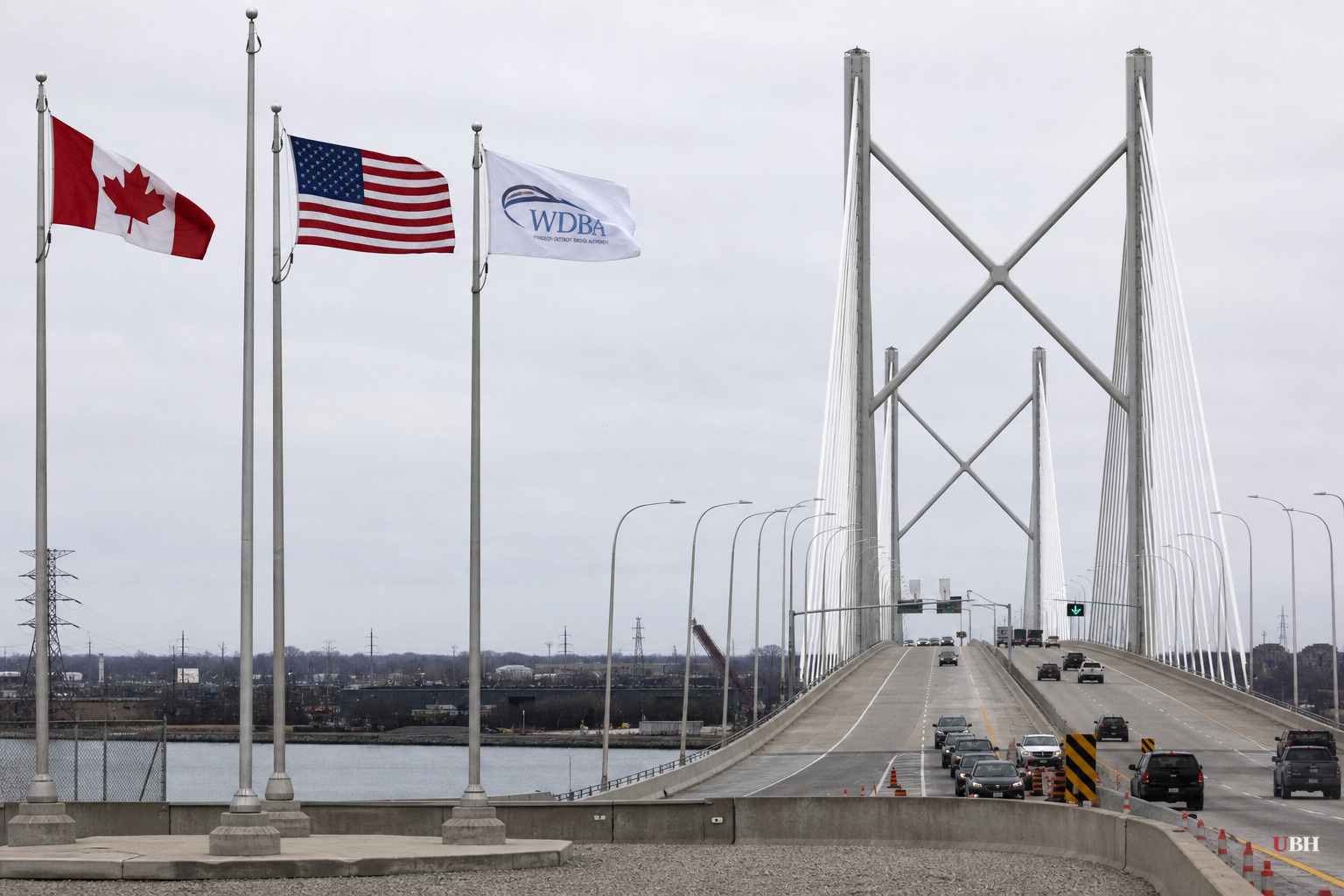
Since President Trump announced Monday, July 20, that he'd impose 50% tariffs on a range of Canadian imports, Canada has yanked its participation from a joint celebration marking the opening of the Gordie Howe International Bridge.
Jenna Ghassabeh, a spokesperson for Canadian Infrastructure Minister Gregor Robertson, confirmed the cancellation in a statement to Reuters. "In light of trade action threatened by the United States earlier this week, it would be inappropriate to proceed with a celebratory event between the two countries," she said.
The bridge itself isn't going anywhere. It's still set to open to traffic on Monday, July 27, exactly as planned, according to the Straits Times. Canada will just hold its own event on Friday, July 24, celebrating "among Canadians," per Ghassabeh's statement. No American officials will be there.
What Trump Actually Threatened
The new tariffs target Canadian dairy, auto and alcohol products. The White House says Canadian policy gives foreign competitors an unfair edge over American companies in those sectors, according to Fox News. Trump's announcement came Monday and gave Canada roughly 30 days before the tariffs take effect, according to Ground News.
This isn't the first time Trump has used the bridge as leverage. Back in February, he threatened to block its opening entirely, citing Ontario's decision to pull American alcohol off liquor store shelves, Canadian dairy tariffs, and Canada's trade talks with China. That standoff got resolved when the U.S. and Canada struck a deal on how tolls would be charged, clearing the bridge to proceed, Fox News and the Straits Times both reported.
So the bridge has already survived one Trump-triggered diplomatic freeze this year. Now it's absorbing a second hit, this time just to the optics of the opening rather than the opening itself.
Why the Bridge Matters
The $4.7 billion crossing connects Detroit and Windsor, Ontario, and is named after Gordie Howe, the Detroit Red Wings legend who is arguably Canada's most beloved hockey export. It's designed to relieve pressure on the privately owned Ambassador Bridge, currently the busiest commercial crossing on the entire U.S.-Canada border.
That crossing point matters economically. The Ambassador Bridge alone handled $126 billion in truck-borne trade in 2023, according to Reuters figures cited by the Straits Times. Detroit-Windsor is the backbone of North American auto supply chains, with parts crossing back and forth multiple times before a finished vehicle rolls off the line. A new bridge easing that bottleneck is a genuine economic asset regardless of who's mad at whom this week.
Ground News also noted the project faced an earlier delay when the Trump administration sought to renegotiate the crossing deal after pushback from the Moroun family, which owns the competing Ambassador Bridge. That's a separate wrinkle from the current tariff fight, but it's a reminder this bridge has been a political football for a while, not just since Monday.
The Legitimate Grievance Underneath the Snub
Trump's team says Canada's dairy supply management system and alcohol procurement rules genuinely lock out American producers. Canada operates a dairy quota system that caps imports and keeps prices high domestically, and Ontario's provincial liquor boards have in the past restricted shelf space for U.S. alcohol brands. American dairy and alcohol producers have complained about both for years, well before Trump made them tariff triggers.
Whether 50% tariffs are the right tool to fix that is a separate question from whether the underlying complaint is real. Canada's trade barriers on dairy and alcohol are longstanding and well-documented.
Canada's Response Is About Optics, Not Substance
Canceling a ribbon-cutting doesn't cost either country anything materially. Nobody is choking off trade, delaying the bridge, or reopening the toll fight. It's a diplomatic snub. Prime Minister Mark Carney has already sparred publicly with Trump this year, at one point firing back after Trump claimed "Canada lives because of the United States," according to Fox News.
This is a continuation of that same friction, just channeled into a bridge opening instead of a press conference.
What Happens Next
The 50% tariffs are set to take effect within 30 days of Trump's July 20 announcement, meaning roughly mid-August unless a deal gets struck first. Given that the February standoff over this same bridge got resolved through a toll agreement, there's a real question of whether trade negotiators can find a similar off-ramp on dairy, autos and alcohol before the tariffs land. Neither Ottawa nor Washington has announced any scheduled talks on that front as of this writing.
Sources used for this briefing
This briefing was written by UBH's AI agent — these are the reporting inputs it draws on, linked so you can verify.


