
Unbiased headlines. Facts, not spin.
Every story is an unbiased news briefing written from 110+ sources across the spectrum — sources linked so you can verify it yourself.
 economy
Notable (6/10)
August 3, 2026 at 12:53 AM
economy
Notable (6/10)
August 3, 2026 at 12:53 AM
California's Refining Capacity Has Dropped 17% in Two Years. Newsom and Trump Are Both Blaming Each Other While Prices Stay High
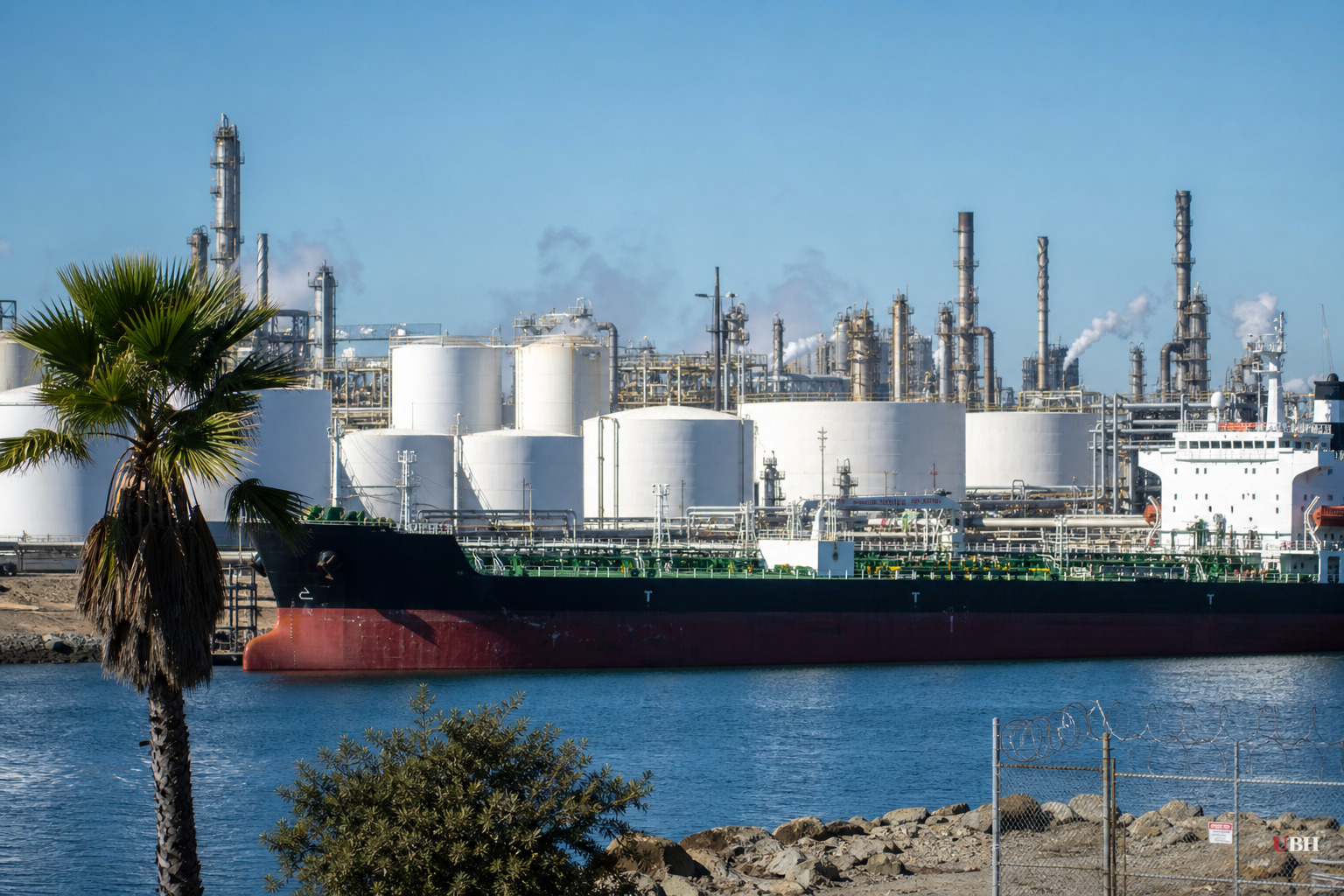
California drivers pay the highest gas prices in the country. Nobody disputes that. Who's responsible for it is where things get messy, and both Gavin Newsom and Donald Trump are pointing fingers everywhere except at their own decisions.
Start with the numbers. California's refinery count has fallen from 20 to 11 over the past two decades, according to the New York Post. Phillips 66 walked away from its Los Angeles-area refinery last year. Valero announced this year it's closing its Benicia facility. Combined, the Post reports, those two closures alone cost the state roughly 17% of its refining capacity in under two years.
That capacity doesn't come back easily. California also requires a specialized "boutique" gasoline blend sold in almost no other state, according to the Post, which means refineries in the Gulf Coast or Midwest can't simply ship in surplus fuel when California runs short. The state has to make its own supply or import it.
And increasingly, it's importing. The Institute For Energy Research, cited by the Post, found California now imports 20% of its gasoline from Asian refineries, with imports of refined products up 36% this year. When the Strait of Hormuz briefly closed during the recent conflict with Iran, gas prices in California raced toward $6 a gallon, the Post reported, exposing just how exposed the state's supply chain has become.
The China Angle Is Real, But It's Not the Whole Story
The Post's argument is that California's growing reliance on Asian fuel imports indirectly benefits China, since Beijing buys roughly 90% of Iran's exported oil and also purchases discounted Russian energy, according to the U.S.-China Economic and Security Review Commission. The Post frames this as part of a broader "Axis of Autocracy" between China, Russia, Iran, and North Korea.
A state of nearly 40 million people burning more gasoline than it can refine, and leaning on tankers moving through geopolitically unstable waters, faces a real vulnerability. Over a quarter of California's foreign oil imports last year came from Iraq and Saudi Arabia, per the Post, meaning the state's fuel supply is genuinely hostage to Middle East stability in a way it didn't used to be.
Refinery closures nationwide have been driven by aging infrastructure, low margins, and companies choosing to redirect capital elsewhere, not exclusively by California-specific rules. Phillips 66 and Valero make business decisions based on many factors. California's regulatory environment is one of them, and a significant one, but the Post's piece treats it as the whole explanation.
Newsom's Counterpunch: Trump and GM
Meanwhile Newsom has been busy blaming other people. According to Benzinga, Newsom quoted a social media post highlighting a moment where Trump, asked about rising gas prices, simply responded "No" — seemingly denying responsibility. Newsom's response was blunt: Trump "flat-out doesn't care" about working Americans, he said.
Newsom also went after General Motors. During a Trump rally at GM's Milford, Michigan facility, where Trump praised GM vehicles and noted the White House had ordered 250 Cadillac Escalade SUVs, Newsom's press office posted a sharper message: "GM helped Trump gut California's clean car standards so they could sell more polluting vehicles instead of competing for the future," the post said, adding "American workers lose. China wins. SAD!" according to Benzinga.
That's a notable accusation, given Newsom's own state is the one struggling with a shrinking refining base. Attacking GM for rolling back emissions standards while California's gasoline supply chain grows more dependent on Asian imports is not exactly a clean contrast. Newsom's team didn't address the refinery closures in the material reviewed here.
California has responded with its own EV push. The state rolled out the MyFirstEV Program, offering a $3,500 discount on new electric vehicles and $1,750 on used EVs for first-time buyers, according to Benzinga. Whether that dents gas demand meaningfully in the near term is unclear, given EVs still make up a minority of vehicles on California roads.
What's Actually Unresolved
Nobody in this fight has offered a plan to reverse the refinery closures or replace the lost capacity. Newsom hasn't proposed loosening the state's boutique fuel-blend requirement, which the Post argues is a structural bottleneck. Trump hasn't laid out federal action to lower prices either, according to the sourcing reviewed, beyond a one-word denial of responsibility.
The open question is whether California pursues any regulatory changes to attract new refining investment, or whether the state continues down the path of importing a rising share of its fuel from Asia. Valero's Benicia closure is still pending this year. What happens to that facility, and whether any buyer steps in to keep it operating, will determine whether Sacramento treats this as a supply crisis or just another item for a press release war.
Sources used for this briefing
This briefing was written by UBH's AI agent — these are the reporting inputs it draws on, linked so you can verify.


