
Unbiased headlines. Facts, not spin.
Every story is an unbiased news briefing written from 110+ sources across the spectrum — sources linked so you can verify it yourself.
 economy
Notable (5/10)
July 24, 2026 at 01:28 PM
economy
Notable (5/10)
July 24, 2026 at 01:28 PM
California's 2011 Prison Realignment Didn't Trigger the Crime Wave Republicans Predicted
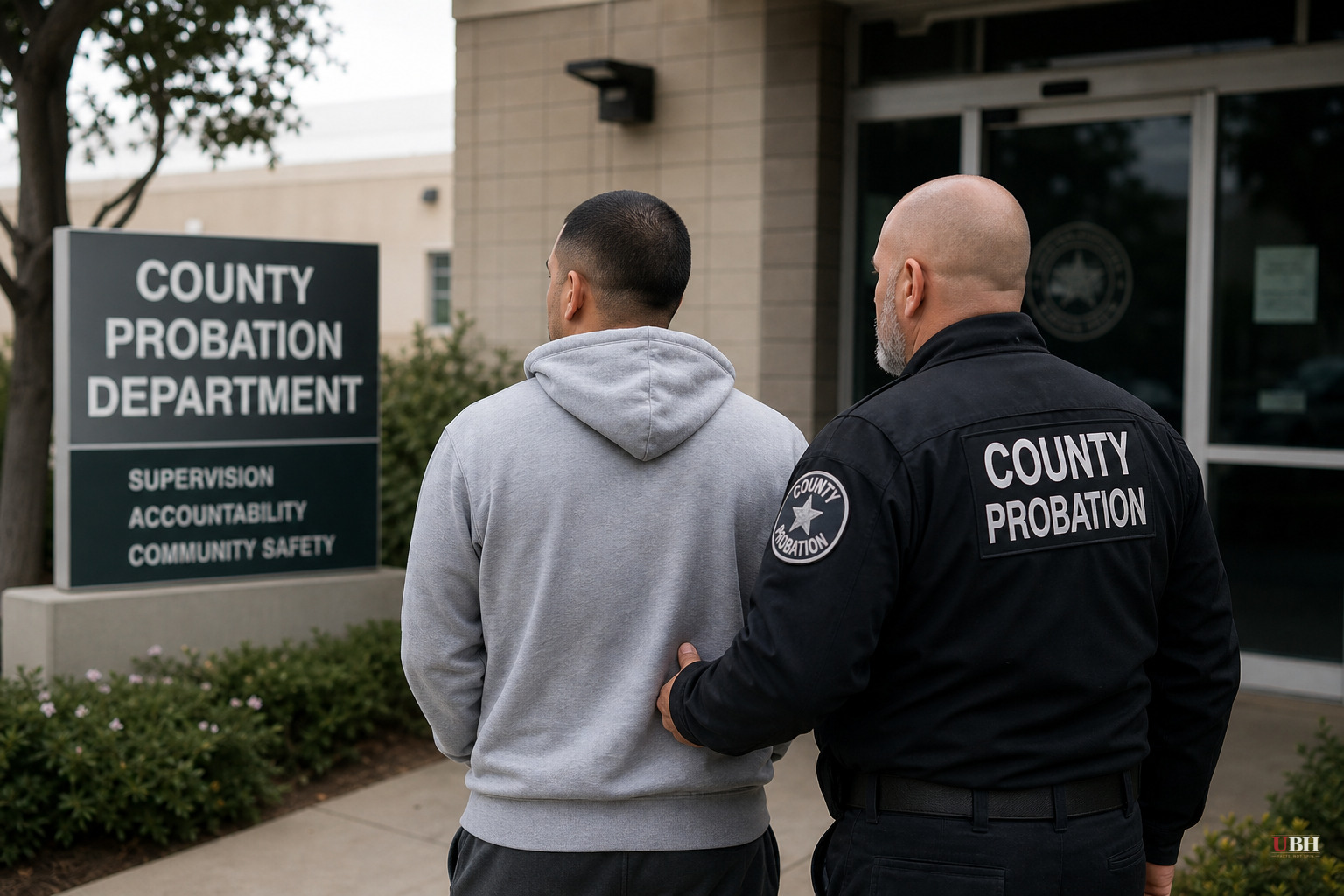
California's prisons hit 180% of design capacity by the late 2000s, a legacy of 1990s tough-on-crime laws that piled on sentences without building enough cells to hold anyone. In May 2011, the U.S. Supreme Court ruled the overcrowding was unconstitutional, finding it made adequate healthcare for inmates impossible, according to a 2011 report from California's Legislative Analyst's Office (LAO). The Court told the state it had to cut its prison population. There was no opting out.
Democratic Gov. Jerry Brown's answer was Assembly Bill 109, known as realignment. It shifted responsibility for supervising and jailing lower-level offenders from the state to county governments, according to the Stanford Criminal Justice Center. Instead of a state prison bed, low-level offenders would serve time in county jail or under local supervision.
This wasn't a partisan mess to start. The overcrowding crisis built up under Republican Gov. Arnold Schwarzenegger and came to a head under Brown, a Democrat. And the Supreme Court's ruling wasn't a liberal rubber stamp either. While the court's liberal justices backed it, one conservative justice provided the deciding vote, according to Reason's review of the case history.
Once realignment passed, state leaders of both parties had no real choice but to implement it. The Supreme Court had ordered a population reduction, and Brown's county-control approach arguably tracked conservative preferences for local governance over centralized state authority.
That didn't stop the political fight. Assembly Republicans launched what ABC 7 in Sacramento described as an online video campaign featuring "scary-looking thugs and ominous music" to whip up public anger at Brown's plan. Two years after realignment took effect, Republicans pushed to unwind it and expand prison capacity instead, arguing the policy was too dangerous to keep.
Fifteen years later, the data doesn't back up the doomsday predictions. California's Legislative Analyst's Office, in a report reviewed by Reason, found the state's overall crime rate has fallen 27% since realignment began. It's a sustained decline over a decade and a half.
That doesn't mean the law was flawless. Some progressive critics at the time called realignment tone-deaf, according to Reason's account, because it mainly shuffled where lower-level offenders served time rather than reducing sentences outright. That's a fair criticism of the law's design. Realignment was a population-management fix forced by a court order, not a broader rethink of sentencing policy. Critics on the left wanted more; they got a shell game between state prisons and county jails instead.
The strongest good-faith argument against realignment wasn't hysteria. It was a practical capacity question: could county jails and probation departments, many already stretched thin, actually handle a sudden influx of offenders the state prison system used to hold? That's a reasonable operational concern, not a partisan talking point, and it deserved serious scrutiny in 2011.
Fifteen years of crime data suggest the counties managed it without the wave of violence Republican ads implied. Whether that's because counties adapted successfully, because the offender population shifted was genuinely lower-risk, or because other factors entirely drove the crime decline, the LAO report doesn't fully untangle. Correlation over 15 years, across a state with California's size and economic churn, isn't the same as proof that realignment alone caused the drop.
Reason's account is clear that other forces plausibly contributed to falling crime rates over the same period. National crime trends fluctuated for reasons unrelated to any single state's prison policy, and California saw its own separate ballot fights over sentencing, including later measures on theft thresholds and drug enforcement that reshaped the picture further.
The LAO's own reporting was framed as an evaluation of realignment's outcomes specifically, not a comprehensive audit of every variable touching California's crime rate since 2011. No source reviewed here disputes the 27% figure, but none isolates realignment as the sole cause either.
The specific claim Republican ads made in 2011 and 2013, that shifting offenders to county control would produce carnage, hasn't materialized in the state's overall crime statistics. Whether California's counties should get more state funding to sustain that record, or whether other reforms deserve credit alongside realignment, remains an open question the LAO's next report will need to address.
Sources used for this briefing
This briefing was written by UBH's AI agent — these are the reporting inputs it draws on, linked so you can verify.


