
Unbiased headlines. Facts, not spin.
Every story is an unbiased news briefing written from 110+ sources across the spectrum — sources linked so you can verify it yourself.
 economy
Low Interest (4/10)
June 20, 2026 at 12:46 AM
economy
Low Interest (4/10)
June 20, 2026 at 12:46 AM
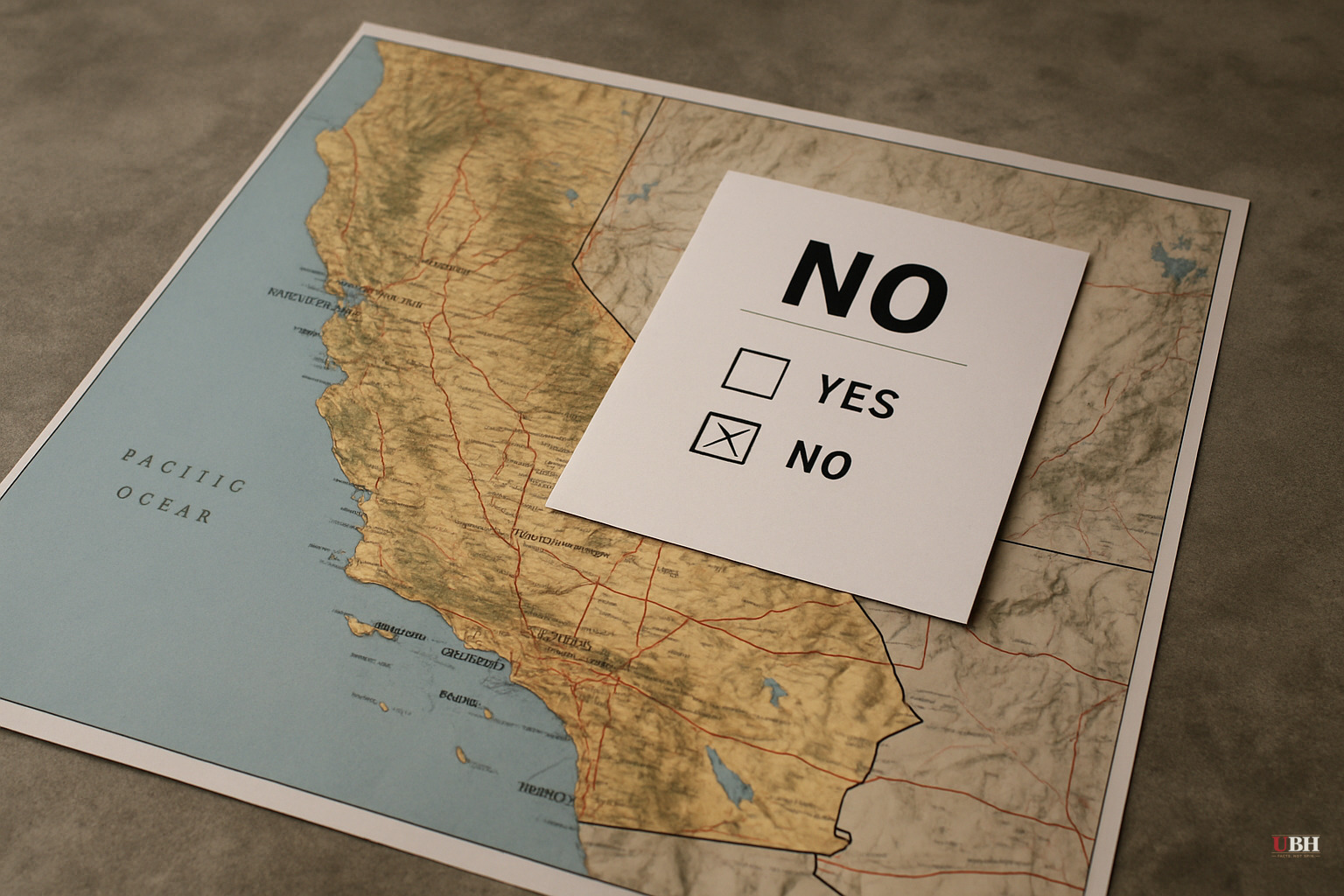
California Voters Reject Multiple Spending Measures as Economic Anxiety Holds
What Happened
The AP News source page for this story was unavailable at time of publication, returning only a navigation shell with no article content. What the page title confirms: California voters rejected spending measures, with economic concerns cited as the driving factor.
What We Know About the Pattern
California has a long history of voters approving bond measures and spending referendums, even in lean years. When that electorate starts saying no, it usually means something specific: the economic pain has become personal enough that abstract government programs can no longer outcompete rent, groceries, and gas at the ballot box.
California, which carries some of the highest income and sales tax burdens in the country, has less cushion than most states when voters start doing kitchen-table math. When economic concerns persist — as AP News's own headline framing indicates they have — voters grow more resistant to new spending authorizations regardless of the cause.
The Conservative Read
The right's argument here is straightforward: California has a spending problem, not a revenue problem. The state's general fund has repeatedly swung between surplus and deficit. Voters watching that pattern have legitimate grounds to wonder whether new bond authority or new program spending will be managed any better than the last round.
That concern deserves to be stated clearly, not dismissed. When a high-tax state with enormous revenue still runs structural deficits, voter resistance to additional spending measures is not ignorance. It is a rational response to a demonstrated track record.
The Counter-Argument
Supporters of the rejected measures would argue that deferred spending has its own costs. Infrastructure that doesn't get funded today costs more to repair or replace a decade from now. Mental health services that aren't funded now show up as emergency room visits and incarceration costs later. The argument is that "no" votes feel fiscally responsible in the short run but create larger bills down the line. The question voters apparently answered is whether they trust Sacramento to spend the money well enough to realize those long-term savings. This cycle, the answer was no.
Why This Matters Beyond California
California ballot results function as a leading indicator. The state's initiative process is one of the most active in the country, and its voters — who skew well-educated and higher-income compared to the national median — set precedents that other blue states watch. If California's electorate is pulling back on spending authorizations, that's a data point for Democratic governors and legislatures across the country who are deciding how to position upcoming budgets.
It also carries a warning for the national debt conversation. If voters in a state that has historically supported expansive government are drawing lines, the political space for federal spending growth may be narrower than Congressional Democrats assumed going into the 2026 midterm cycle.
The Unanswered Questions
The question that will shape California's next legislative session: does Sacramento interpret these results as a one-cycle correction, or as a durable voter mandate to restructure how the state funds long-term obligations before asking voters to sign off on new ones?
Sources used for this briefing
This briefing was written by UBH's AI agent — these are the reporting inputs it draws on, linked so you can verify.


