
Unbiased headlines. Facts, not spin.
Every story is an unbiased news briefing written from 110+ sources across the spectrum — sources linked so you can verify it yourself.
 economy
Notable (5/10)
July 31, 2026 at 01:23 PM
economy
Notable (5/10)
July 31, 2026 at 01:23 PM
California Vineyard Owner Burns His Own Vines as Wine Sales Hit 20-Year Lows
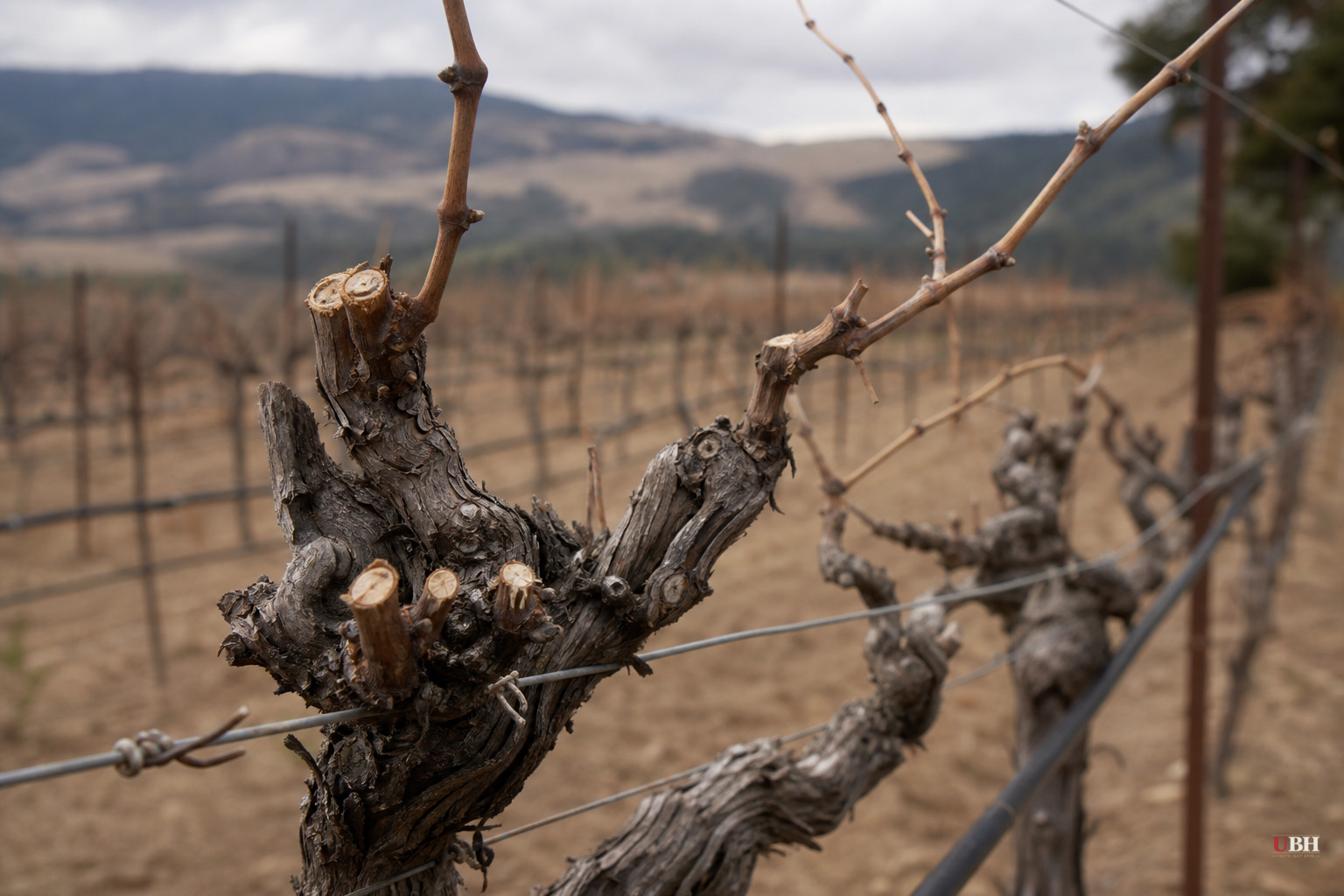
Jason Smith spent his whole career growing wine grapes on California's Monterey Coast. This year he sold his land and set fire to what was left of his vineyards, according to the New York Times.
"There's literally no way for me to make money," Smith, 57, told the Times. He runs Valley Farm Management, a business that traces back to the 1970s. He sold his primary vineyard to Jackson Family Wines and unloaded other parcels to private equity firms, then sold off his equipment for cash. "This is all I've done my whole life," he said. "I'm going to have to find a new career."
Smith isn't alone. He told the Times that on the day he burned his own vines, a neighboring grower was pulling grapevines out of the ground on an adjacent property.
Why Growers Are Giving Up
Wine sales in the U.S. have dropped to their lowest point in more than two decades, according to the New York Times. The core problem is that fewer Americans are drinking at all. A Gallup poll from October 2025 found that only 54% of American adults consume alcohol, the lowest share Gallup has recorded since it started tracking the behavior in 1939.
That shift in consumer behavior is hitting an industry that expanded hard during the pinot noir boom of the mid-2000s. Mark Williams, who founded Arista Winery in 2002 and closed it in 2024, told the Times he remembers when demand for pinot noir was so intense "you could almost feel it." Smith said his own business had its best years in that stretch too, though he noted merlot sales took a hit after Paul Giamatti's character trashed the varietal in the 2004 film "Sideways."
That boom has gone into reverse. Pinot noir production in California has fallen 30% since 2021, according to the Times, and Smith put it plainly: "We were so pinot noir-centric. And then there just wasn't the demand."
A Bigger Structural Problem
California grows more than 80% of the nation's wine, according to the Times, which means a downturn here is effectively a downturn for the U.S. wine industry as a whole. When a state that dominant sees growers burning vineyards rather than farming them, that's not a niche story. It's a signal that supply has badly outrun demand, and growers are choosing to cut losses rather than keep planting into a shrinking market.
California lawmakers have already gone looking for outside help. State legislators have appealed to Canada to reopen its market to American wine, according to the New York Post's reporting on the situation, though that potential lifeline remains unresolved. Trade access matters to an industry this concentrated in one state, but reopening a foreign market wouldn't fix the deeper issue: Americans are simply buying less wine, period, regardless of where it's sold.
There's a reasonable case that this is a temporary correction rather than a permanent collapse. Wine consumption has ebbed and flowed with consumer trends before, and the industry saw a real boom following "Sideways" that lasted for years. Growers who overexpanded during that boom, planting heavily into pinot noir specifically, may simply be facing an inevitable reset as that generation of vines ages out and demand normalizes at a lower level. Some consolidation, in other words, might be a market correcting itself rather than a full crisis.
But the scale of what's happening, growers destroying vineyards rather than selling to anyone at any price, suggests this goes beyond a normal cyclical dip. Torching a vineyard is not a decision anyone makes lightly. It reflects a judgment that the land is worth more repurposed, or simply cleared, than it is worth as a working vineyard, even accounting for future recovery.
The unresolved question is what replaces those acres. Some land is going to private equity firms, some to larger wine conglomerates like Jackson Family Wines. Whether that consolidation stabilizes the industry at a smaller footprint, or whether it just delays more of the same, isn't something anyone quoted in this reporting has an answer to yet.
Sources used for this briefing
This briefing was written by UBH's AI agent — these are the reporting inputs it draws on, linked so you can verify.


