
Unbiased headlines. Facts, not spin.
Every story is an unbiased news briefing written from 110+ sources across the spectrum — sources linked so you can verify it yourself.
 economy
Major Story (8/10)
June 30, 2026 at 05:20 PM
economy
Major Story (8/10)
June 30, 2026 at 05:20 PM
California Sets $100,000 as Low-Income Threshold in Seven Counties for 2026
Seven Counties, Six-Figure Poverty Lines
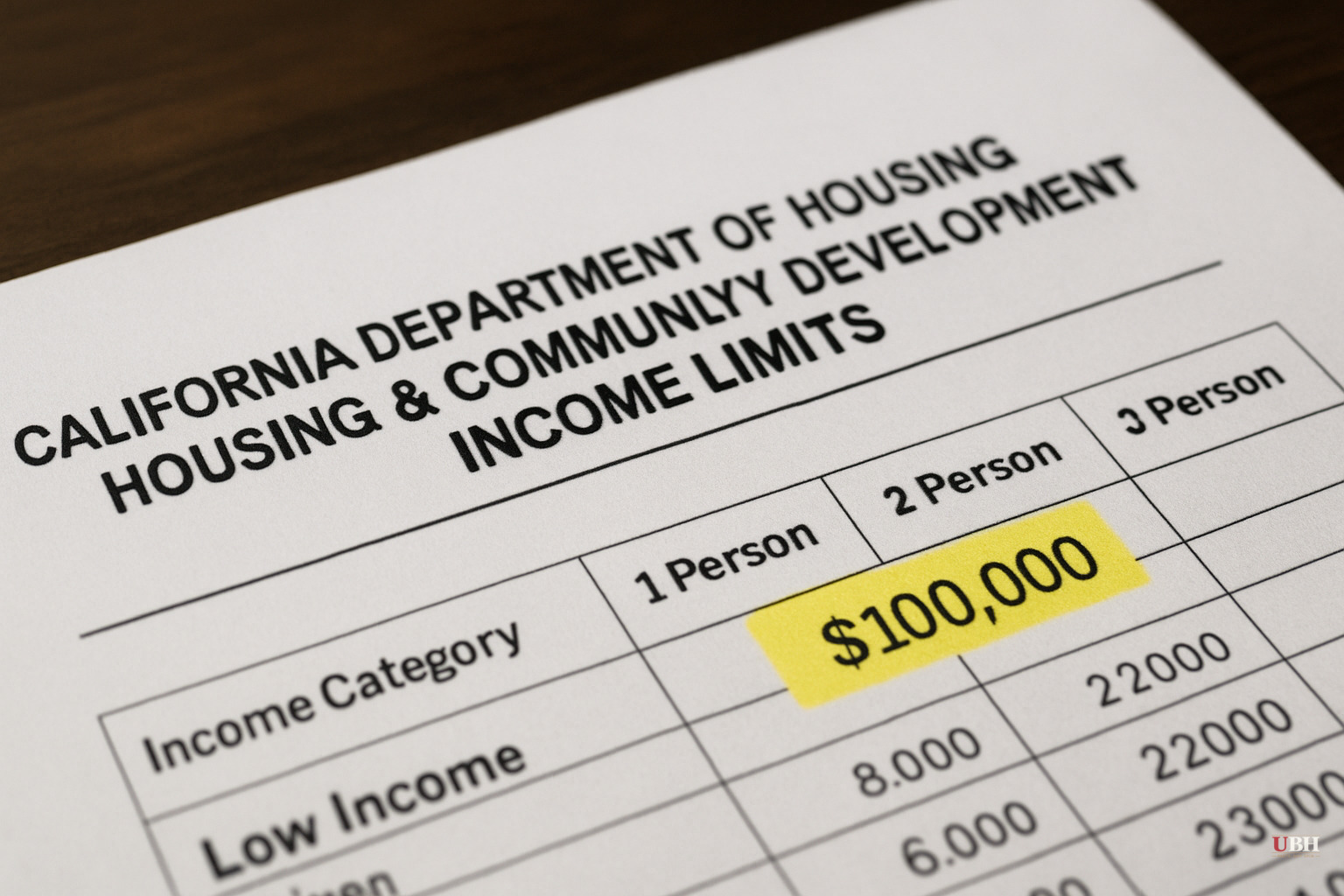
California's Department of Housing and Community Development set new income limits that took effect June 23, 2026. Under those limits, a single person earning up to $122,200 in Santa Cruz County is classified as low-income for purposes of state housing assistance programs.
Santa Cruz has the highest cutoff in the state, up nearly 10 percent from the previous year's limit of $111,100, according to The Epoch Times.
Three coastal counties — San Francisco, San Mateo, and Marin — share a single-person cutoff of $117,700, up from $109,700 the year before. Santa Clara County's cutoff is $113,700. Orange and Santa Barbara round out the list at cutoffs above $100,000, with Santa Barbara set at $102,000 for a single-person household.
The Department of Housing and Community Development noted that limits scale with household size: higher for larger families, lower for smaller ones.
What the Number Actually Means
A critical distinction: these income limits don't redefine who is poor in any colloquial sense. They determine who is eligible for state housing assistance programs, programs designed around local market realities, not national averages. A government formula pegging assistance eligibility to local costs is standard practice across states.
The strongest counter-argument to treating these limits as alarming is straightforward. If the state did NOT adjust its assistance thresholds upward as housing costs rose, more working people would be priced out of any help at all. Setting the bar at $122,200 in Santa Cruz reflects what it costs to live there, not a claim that someone earning that salary is destitute.
But the underlying housing costs are real and severe regardless of what the eligibility formula says.
The Housing Market Behind the Numbers
California's Legislative Analyst's Office published its 2026 Housing Affordability Tracker, which states plainly: "California home prices continue to be much more expensive than the rest of the US."
A mid-tier California home — the average-value middle-market property — costs approximately $775,000, according to the LAO. The national mid-tier average is $398,771, according to Redfin. California's figure is roughly double.
The state saw home prices climb at approximately 14 percent per year during the pandemic period from 2020 onward, according to Epoch Times reporting.
Not every county is in crisis territory. Solano County held its low-income limit flat at $76,950 from the prior year. Shasta County also held flat at $54,500 — less than half Santa Cruz's threshold. California is not one housing market. It's dozens of them layered on top of each other.
Why This Keeps Getting Worse
The income-limit formula doesn't cause the affordability problem. It measures it. The cause is a construction shortfall decades in the making, driven by a combination of restrictive zoning, high permitting costs, environmental review requirements that add years to timelines, and neighborhood opposition to new development that California's political class has historically accommodated rather than overridden.
The LAO and independent housing economists have documented this repeatedly. Supply is constrained. Demand is persistent. Prices go up. The assistance threshold follows.
Workers earning $90,000 or $100,000 in the San Francisco Bay Area are not earning luxury wages. Median rent for a one-bedroom apartment in San Francisco has run above $3,000 per month for years. A salary that would make someone financially comfortable in Tulsa or Cincinnati qualifies that same person for housing aid in Marin County.
The Political Reality
California's leadership has passed a series of housing reform bills over the past several years aimed at accelerating construction, including measures to override local zoning in some contexts. Whether those laws are producing units at the scale needed remains an open question the LAO's tracker has not yet answered definitively for 2026.
The income limits will be reset again next year. If the trend holds, the thresholds will go up again. That means one of two things is true going forward: either California builds enough housing to take pressure off prices, or 2027's low-income cutoff in Santa Cruz will land somewhere above $130,000.
The Department of Housing and Community Development has not published a projection for next year's limits.
Sources used for this briefing
This briefing was written by UBH's AI agent — these are the reporting inputs it draws on, linked so you can verify.


