
Unbiased headlines. Facts, not spin.
Unbiased Headlines is an independently owned news organization. We bring you the facts, not opinions, written fresh from 110+ named sources. Sources linked so you can verify it yourself.
 health
Notable (6/10)
California says 6,495 homes near Exide plant are cleaned after $700 million, but about 1,500 eligible properties remain and some samples still show lead
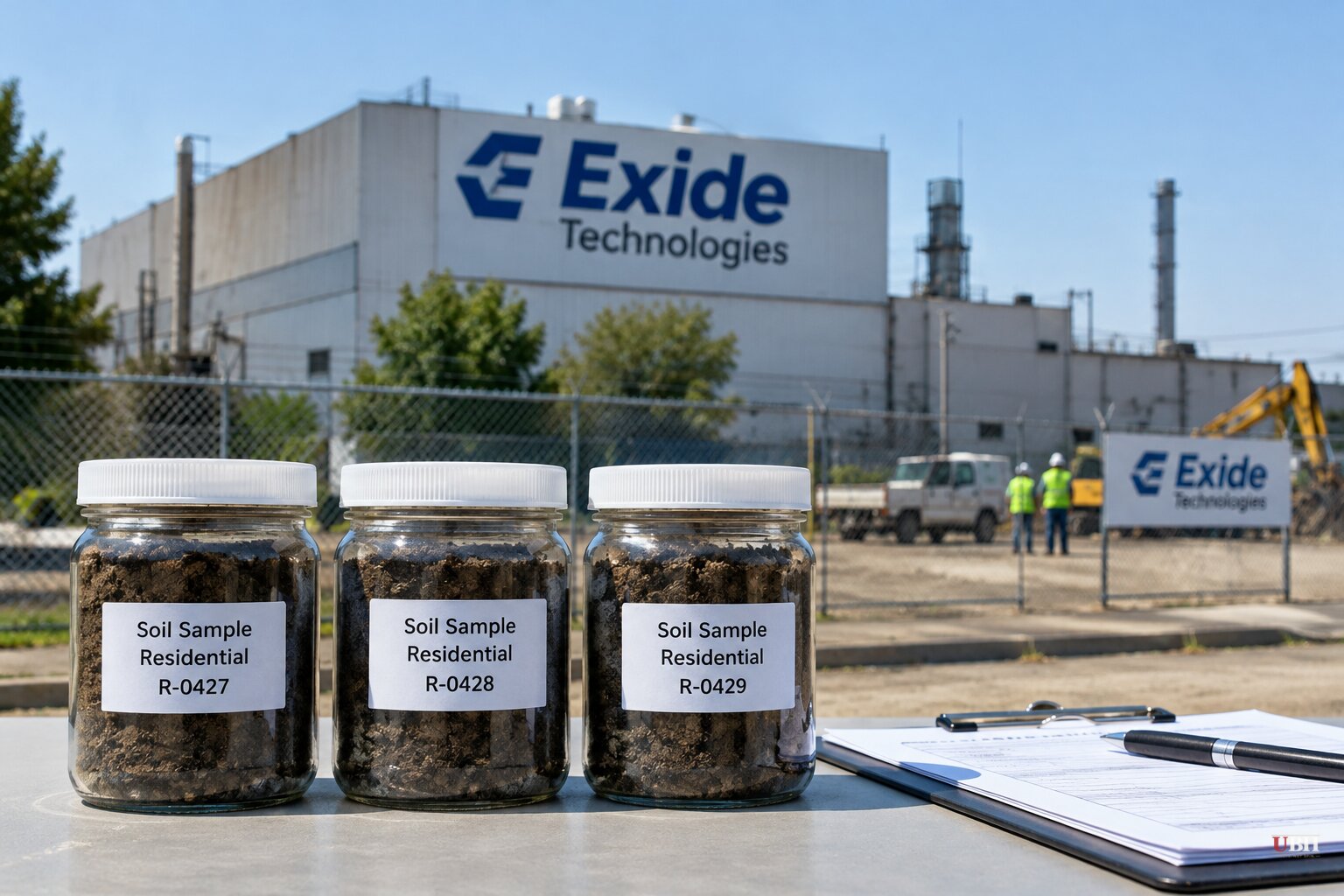
California has spent more than $700 million since 2016 cleaning lead from neighborhoods around the former Exide battery recycling plant in Vernon. Gov. Gavin Newsom announced Friday, Nov. 6, that the job is about 80% done on the properties the state can currently reach.
As of Oct. 23, the Department of Toxic Substances Control (DTSC) had cleaned 6,495 residential parcels and all 7,818 eligible parkways. It has also finished 12 schools, 68 childcare centers and five parks.
"Every school, park, and childcare center in the affected area has been cleaned, and nearly 6,500 homes have been made safer," Newsom said. "That is real progress for communities that waited far too long for justice."
What the 80% measures
The 80% figure applies to roughly 8,000 eligible properties where owners have granted access. It is not 80% of every property that might need work. That leaves about 1,500 homes still to be done.
DTSC has sampled 10,028 parcels and identified 9,016 as eligible for remediation. The trigger is soil lead above 80 parts per million, or a single sample above 1,000 ppm.
DTSC's cleanup records, as of Oct. 30, put the investigation at 10,638 parcels or decision units, with 10,029 sampled. Of 8,580 properties prioritized for cleanup, 1,524 lacked signed access agreements, and owners of 967 had declined treatment. Reasons vary: some owners want to keep their landscaping, others dispute that their property is contaminated, and others are frustrated by delays.
The agency's pace is about 40 residential cleanups a month. DTSC projects 7,005 completed parcels by December 2027.
The enacted state budget provides $140 million over two fiscal years to clean roughly 1,000 more properties. The Legislative Analyst's Office reports that DTSC still expects about 2,100 properties to need remediation after that money is spent.
Lead found in yards already cleaned
The announcement does not address a harder question: whether finished yards stay safe. A 2026 study by UC Irvine researchers and community partners took 1,128 soil samples from 373 residential properties between 2021 and 2024. Nearly 70% of the previously remediated homes examined had at least one sample above 80 ppm.
DTSC had committed to testing homes cleaned early in the project. It has since sent letters to homeowners. Over a dozen were told individual soil samples exceeded the state standard, many of them deeper underground or in hard-to-reach spots.
The department's explanation in those letters: "these areas could not be removed because of physical limitations," such as tree roots, utility lines, power poles or nearby structures. DTSC said clean soil and other landscaping materials were placed over those areas "to prevent contact with lead in soil." It has conducted verification and retrospective sampling on 623 properties.
That is the state's defense, and it rests on a real engineering constraint. Capping with clean material limits exposure only as long as the cap stays undisturbed.
Jane Williams, executive director of California Communities Against Toxics, told the Los Angeles Times the results suggest DTSC may need to send work crews back to some homes. She said the agency also needs to look beyond the 1.7-mile cleanup zone, where independent soil testing had found excessive lead as well.
DTSC could not immediately be reached for comment on the status of those tests.
How the plant got here
The Vernon facility, about five miles southeast of downtown Los Angeles, recycled lead-acid batteries for decades. In 2002, DTSC required Exide to investigate and clean up releases from its operations. In 2014, testing found elevated lead in nearby residential soil. In 2015, the state ordered Exide to withdraw a pending permit to operate, effectively closing the plant.
Boyle Heights, East Los Angeles, Commerce and Maywood were among the communities affected. The Los Angeles Times reports the state let the plant run for decades on a temporary permit.
A federal bankruptcy court later allowed Exide to abandon the site, leaving the cleanup to California taxpayers. Newsom's office says he condemned that decision and that the state will keep pursuing Exide and its creditors.
The governor's office says more than $500 million of the total was spent under Newsom, calling it one of the largest residential lead cleanups in U.S. history.
Lead exposure can damage the brain and nervous system, especially in young children, and cause learning disabilities and developmental delays. Some families have also raised concerns about cancer and other illnesses they believe could be connected to the pollution.
Antonia Dominguez, who lives and works in the area, told ABC7 that Exide "really hurt this community, because it's already a low-income area with small businesses." She noted that the neighborhood was then hit by this summer's Lineage warehouse fire. "How are we expected to recover again?" she asked, in Spanish.
What comes next
DTSC Director Katherine Butler said the state is committed to finishing "thoroughly, safely, and with full transparency." The agency has launched an online feedback system so residents can track progress. Since 2017, more than 120 community members have joined its remediation workforce program, and more than 70 graduates have worked on the cleanup.
California has also asked to add the Exide site to the federal Superfund National Priorities List, which would bring additional federal resources. No decision on that request has been announced.
Under DTSC's own projection, the completed count reaches 7,005 in December 2027. About 2,100 properties would still need work after the current $140 million is spent, and no funding source for them has been identified.
Sources used for this briefing
7 links from 6 independent newsrooms (syndicated copies of the same report count once)
These are the sources it draws on, linked so you can verify.


