
Unbiased headlines. Facts, not spin.
Every story is an unbiased news briefing written from 110+ sources across the spectrum — sources linked so you can verify it yourself.
 economy
Low Interest (3/10)
July 19, 2026 at 01:46 PM
economy
Low Interest (3/10)
July 19, 2026 at 01:46 PM
California Pizza Kitchen Co-Founder Says He'd Choose Florida Over California Today
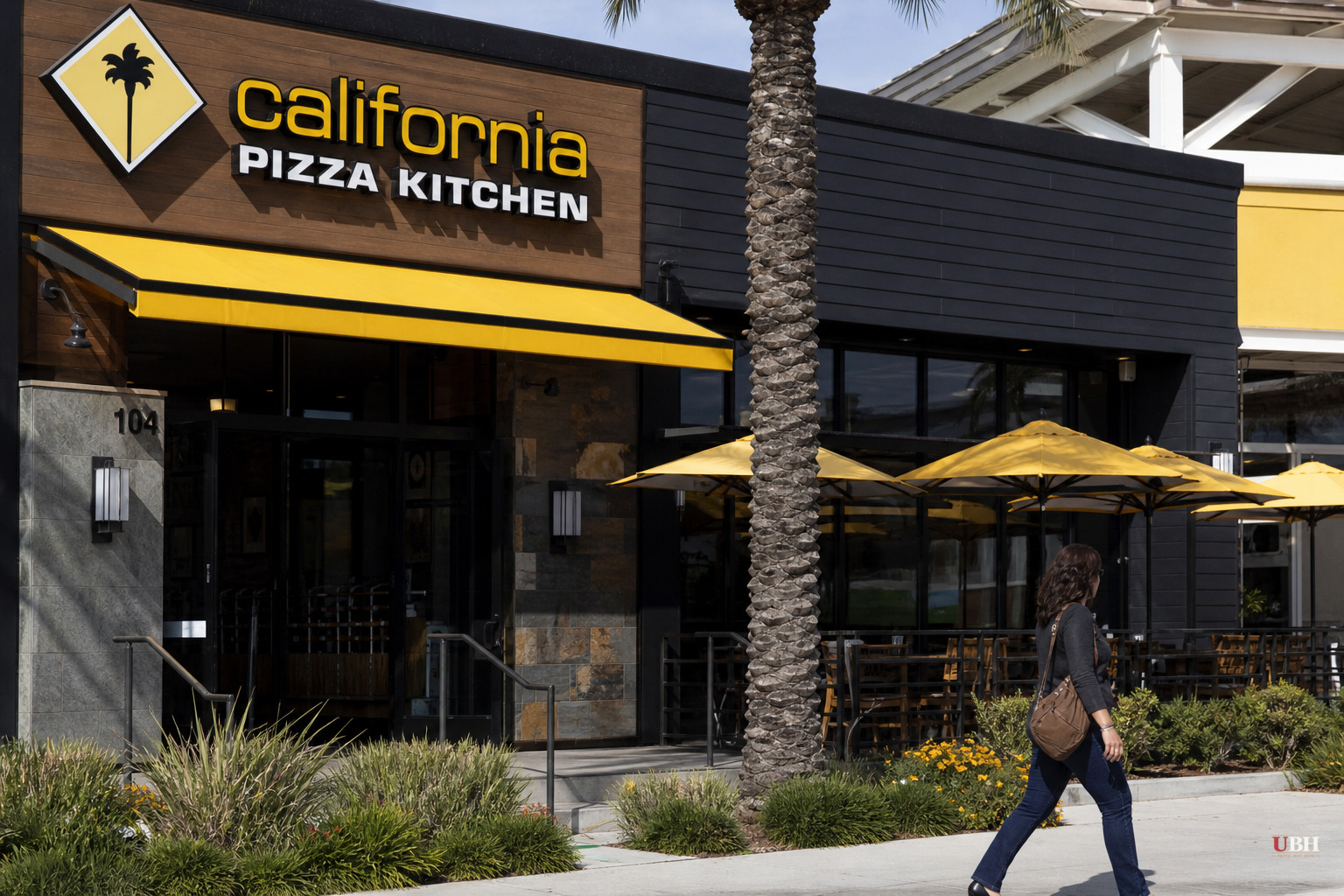
Rick Rosenfield helped build California Pizza Kitchen into a national chain starting in the 1980s. Now he says he wouldn't necessarily start the business in California at all.
"If it were me today, I would open in Florida before I would open it in California," Rosenfield told Fox News Digital. He said Florida is "very business friendly" while California "is less business friendly today, and they make it apparent."
Rosenfield isn't nostalgic for nothing. He said that decades ago, California really was the best place to do business. Good weather, a strong labor pool, and dense population centers full of customers were all there. His biggest worry back then, he said, was a snowstorm keeping shoppers away from the malls where CPK had locations. That's not the worry anymore.
What changed, according to Rosenfield
Rosenfield points to the years after the COVID-19 pandemic as the turning point: labor shortages, more regulation, and rising costs, including the state's minimum wage. Under a law that took effect April 1, 2024, California requires eligible fast-food restaurant employees to be paid at least $20.00 an hour.
He said CPK typically paid above minimum wage anyway, but that doesn't insulate a restaurant from wage hikes. When the wage floor rises, workers already earning more than minimum often expect raises too, creating what Rosenfield describes as a ripple effect through the whole payroll.
Restaurants don't have much room to absorb higher costs. The National Restaurant Association estimates food and labor together eat up roughly 33 cents of every dollar in restaurant sales, with other expenses like utilities, supplies, repairs and credit card fees representing roughly another 29% of sales — leaving the average restaurant with a pre-tax margin of around 5%, according to the NRA.
Rosenfield says businesses don't simply absorb those costs; they raise prices, passing the expense on to customers. "You raise costs, you raise minimum wage, businesses have to respond to that," he said.
Two years ago, Rosenfield moved to Florida himself. He's not doing business there, but he says he's paying attention to the state, calling it "quite friendly" with "less bureaucracy" than California.
The broader exodus
Rosenfield's comments track with a pattern that's been building for years. Chevron, Oracle, and Tesla have all relocated their headquarters out of California. The Texas Comptroller's Office has recorded 157 California companies that moved their headquarters to Texas between 2015 and 2024.
Florida Governor Ron DeSantis has leaned into this trend publicly, touting the state's lack of an income tax and contrasting it with what he calls the "destructive policies" of states like California, including its proposed wealth tax. That's DeSantis making a political argument, not a neutral economic fact, but the underlying corporate relocation numbers tracked by Texas's own comptroller are real.
The other side of the ledger
California's defenders have a response. Asked about Rosenfield's comments, Governor Gavin Newsom's office told Fox News Digital: "Florida Pizza Kitchen doesn't have the same ring to it. We are proud that they are headquartered here and that nearly half of all their restaurants nationwide are in California."
Even Rosenfield, for all his criticism, still calls California "an economic powerhouse," saying it "still has the great weather, still has a great labor base." His complaint isn't that California lacks fundamentals — it's that, in his view, the state's regulatory and cost environment has made it harder to run a thin-margin business there than it used to be.
Meanwhile, Florida has posted strong business-formation numbers of its own. The state recorded more than 500,000 new LLC filings for a fifth consecutive year in 2025, and in 2023 ranked third nationally for new business applications per capita, according to figures cited by Fox News Digital.
The direction of corporate headquarters movement over the past decade is clear from the Texas Comptroller's tally alone: 157 relocations since 2015. Whether that trend continues, accelerates, or reverses will depend partly on how California responds — including whether its proposed wealth tax, which DeSantis referenced, actually moves through the legislature. For now, it remains a proposal, not law.
Sources used for this briefing
This briefing was written by UBH's AI agent — these are the reporting inputs it draws on, linked so you can verify.


