
Unbiased headlines. Facts, not spin.
Every story is an unbiased news briefing written from 110+ sources across the spectrum — sources linked so you can verify it yourself.
 economy
Notable (5/10)
July 26, 2026 at 01:52 AM
economy
Notable (5/10)
July 26, 2026 at 01:52 AM
California Forever Loses $3.2 Billion Shipyard Investor Saronic to Texas
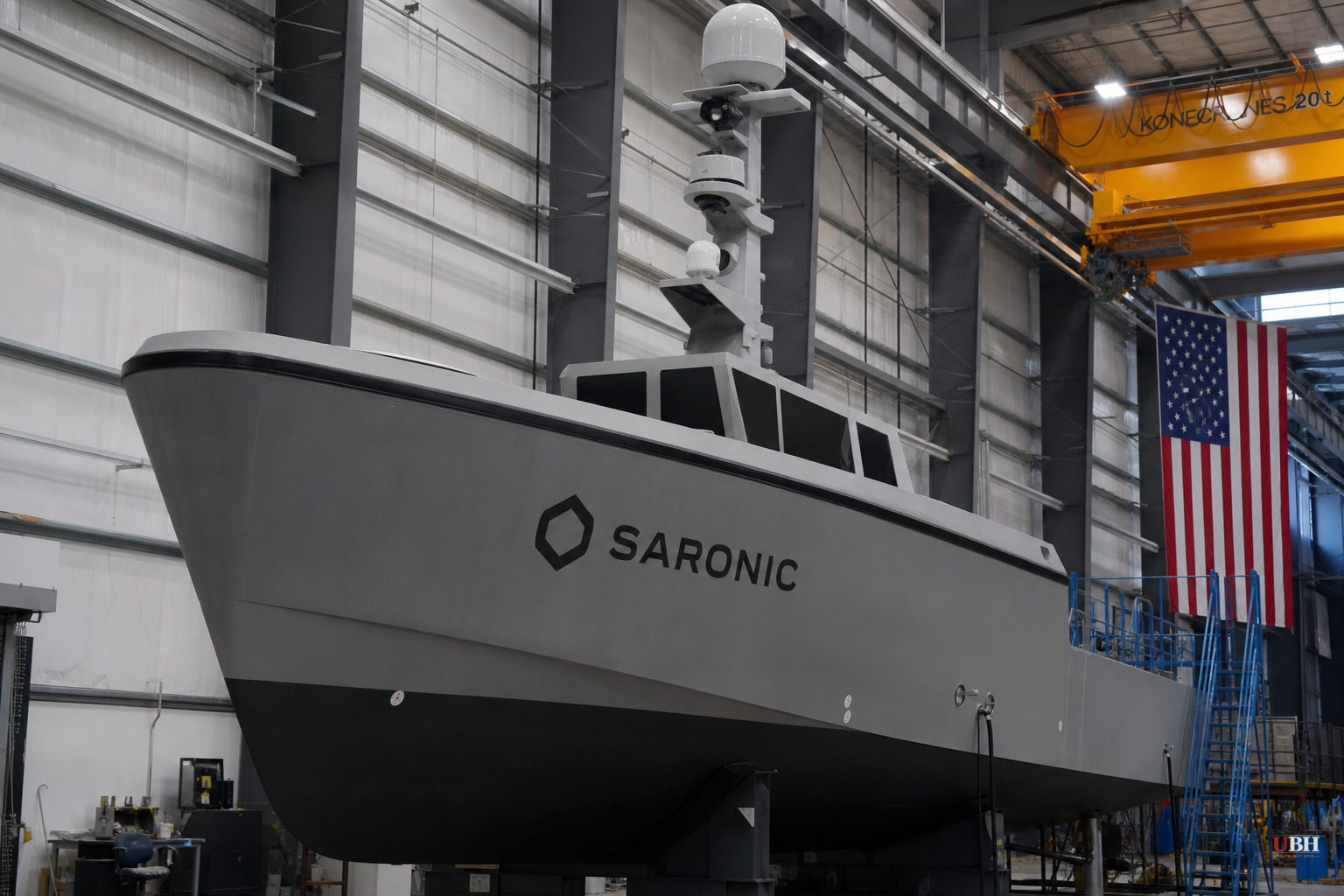
California Forever, the Silicon Valley-backed plan to build a brand-new city for 400,000 people in Solano County, has lost its first major industrial tenant. Saronic, an Austin-based company that builds autonomous ships, walked away from a planned $3.2 billion shipyard on land owned by the California Forever development company, according to the New York Post.
Saronic is choosing Texas instead. The company's autonomous vessel technology has already seen real-world use, including a role in rescuing two downed helicopter pilots during the conflict with Iran, per the New York Post.
The shipyard was supposed to anchor the industrial side of California Forever's pitch: 170,000 new houses and roughly half a million jobs on land between San Francisco and Sacramento. Losing Saronic doesn't kill that vision, but it's a real setback for a project that was already asking investors and regulators to take a leap of faith on something California hasn't attempted in generations: a city built from scratch.
Why the Deal Fell Apart
According to insiders cited by the New York Post, Saronic actually wanted a Pacific Coast presence. That makes sense strategically. American security planning has shifted hard toward the Pacific, and Saronic would have had access to top engineering schools and Silicon Valley's talent pool by staying in California.
But the deal collapsed anyway, reportedly due to delays and opposition from the area's state senator and the Solano County Board of Supervisors. This wasn't a company rejecting California over cost or culture. Local elected officials and a slow regulatory process made staying untenable, even when the company itself apparently wanted to.
Gov. Gavin Newsom had backed the project. Many of the investors behind California Forever are also his campaign donors, and the shipyard plan had real support from construction and industrial unions who wanted the jobs. None of that was enough to overcome local resistance.
The Bigger Pattern
This isn't an isolated incident. California has shed more than 610,000 industrial jobs since 2000, more than any other state, according to the New York Post. Meanwhile Texas, Nevada, Arizona, Tennessee, the Carolinas, and even rust belt states like Pennsylvania have been picking up manufacturing and industrial investment that used to default to California.
The common thread in those states: lower taxes, lighter regulation, and cheaper energy. California offers none of the three at competitive rates, and local government bodies like the Solano County Board of Supervisors retain significant power to slow or block projects even when state leadership wants them approved.
There's a legitimate counter-argument here worth taking seriously. Local opposition to development isn't automatically wrong. Communities have real reasons to scrutinize a $3.2 billion industrial shipyard, from environmental review to infrastructure strain to simply wanting a say in what gets built next to them. Solano County residents and their elected supervisors have a right to weigh those tradeoffs, and "local government slowed a project down" isn't inherently a scandal. Environmental and land-use review processes exist because unchecked industrial buildout has caused real harm in the past.
The problem is scale and frequency. When a state loses 610,000 industrial jobs over a quarter-century while its governor simultaneously courts a $3.2 billion project backed by his own donors and organized labor, and that project still can't clear a single county board, it points to a structural mismatch between what state leadership says it wants and what local veto points allow to happen. That mismatch predates this particular decision and will outlast it.
What Happens Next
California Forever hasn't collapsed. The broader plan for 170,000 homes and half a million jobs in Solano County is still on the books, at least on paper. But the company now has to find a new anchor tenant for the industrial land Saronic was set to occupy, or explain why the shipyard concept doesn't need one.
The Solano County Board of Supervisors and the local state senator who opposed the deal will face continued pressure from Newsom allies and construction unions who wanted those jobs. Whether that pressure changes the local political calculus, or whether California Forever finds another company willing to navigate the same approval process Saronic wouldn't, remains an open question. Saronic's shipyard is now Texas's to build.
Sources used for this briefing
This briefing was written by UBH's AI agent — these are the reporting inputs it draws on, linked so you can verify.


