
Unbiased headlines. Facts, not spin.
Every story is an unbiased news briefing written from 110+ sources across the spectrum — sources linked so you can verify it yourself.
 economy
Notable (5/10)
July 4, 2026 at 02:45 AM
economy
Notable (5/10)
July 4, 2026 at 02:45 AM
California FAIR Plan Premiums Hit 350% Increase for San Diego-Area Homeowner After Fire Risk Reclassification
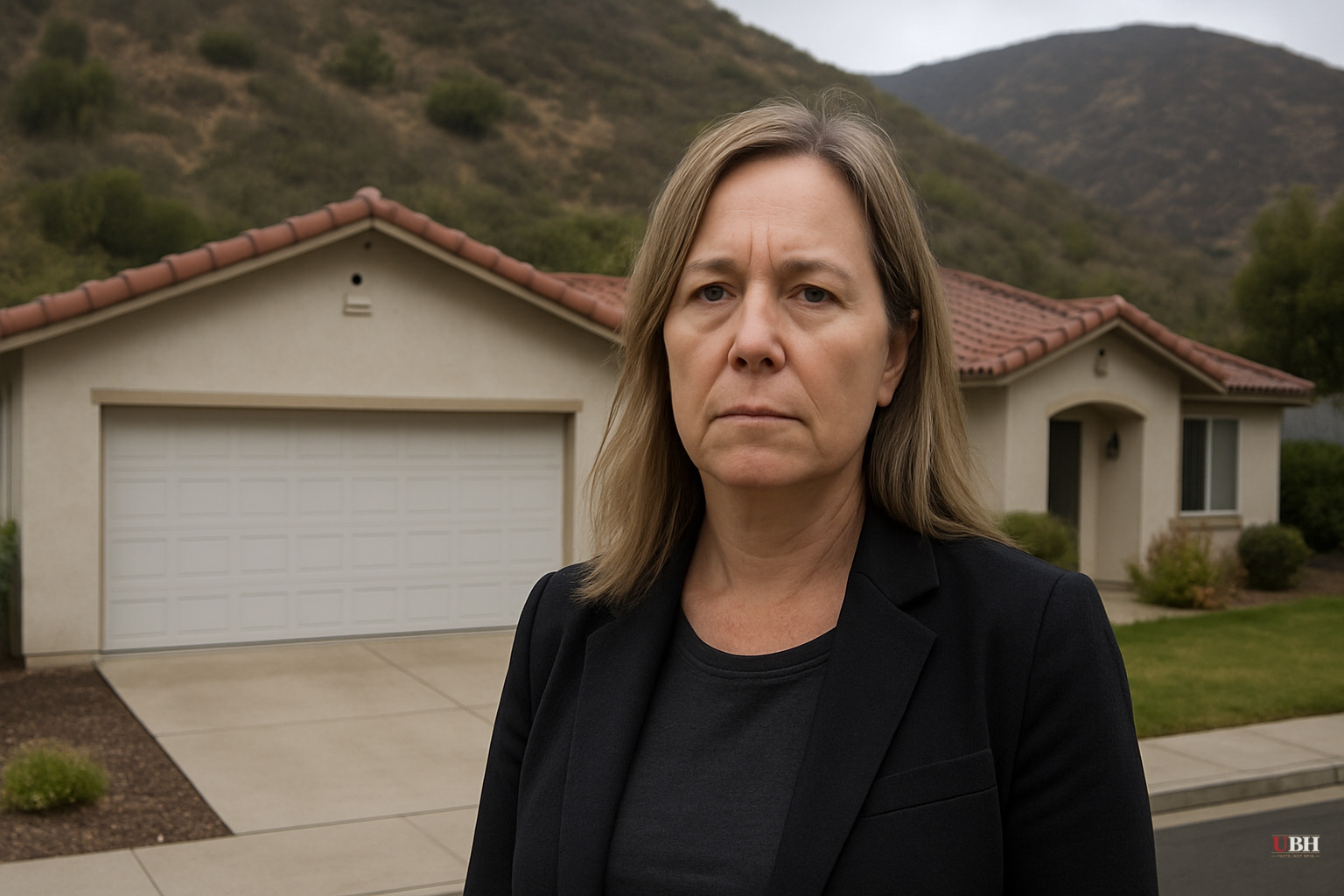
$900 to $4,000 in One Year
Chrystal Nowakowski, a real estate agent living in Vista in San Diego County, opened her mail in late December 2025 to find her annual homeowners insurance premium had jumped from $900 to roughly $4,000. That is a 350% increase in a single policy year.
Nowakowski had already been dropped by Farmers Insurance after filing too many claims and enrolled in the California FAIR Plan in 2023. The FAIR Plan is the state's designated insurer of last resort for high-risk properties that traditional carriers won't cover.
"It was when I opened up that piece of mail and I, you know, I was like, what? It's insanity," Nowakowski told ABC10. The FAIR Plan told her that her fire zone rating had been upgraded from a zero to a two, and that inflation adjustments were the other major driver.
What the FAIR Plan Actually Is
The California FAIR Plan is not a government agency. It is a private association made up of every insurance company licensed to operate in California, structured by state mandate to provide basic fire insurance coverage when the standard market won't.
For homeowners like Nowakowski, the FAIR Plan isn't a choice. It's what's left after traditional insurers decline to write coverage on high-risk properties.
The Strongest Case for the Rate Hike
The FAIR Plan attributed Nowakowski's increase to two factors: a fire zone rating reclassification from zero to two, and inflation adjustments. A 350% increase is genuinely brutal for a household budget. But if premiums can't reflect actual wildfire risk, the FAIR Plan risks becoming financially insolvent, which would be catastrophic for every policyholder enrolled in it.
The Market Failure Nobody Fixed
The harder problem is structural. Nowakowski can't go back to the standard market — she was already dropped. She can't negotiate with the FAIR Plan the way she could shop competing carriers. And the fire zone reclassification that triggered her increase wasn't something she controlled.
Fire zone ratings vary property by property, which means neighbors on the same street could face different reclassification outcomes and different premium impacts.
What Comes Next
Nowakowski's $4,000 bill is already a hardship. The open question is whether it marks a new floor for FAIR Plan customers in reclassified zones, or whether further risk-based adjustments will push premiums even higher as the state's wildfire seasons continue.
Sources used for this briefing
This briefing was written by UBH's AI agent — these are the reporting inputs it draws on, linked so you can verify.


