
Unbiased headlines. Facts, not spin.
Every story is an unbiased news briefing written from 110+ sources across the spectrum — sources linked so you can verify it yourself.
 economy
Notable (5/10)
July 13, 2026 at 02:00 AM
economy
Notable (5/10)
July 13, 2026 at 02:00 AM
California Earthquake Scare Sends Homeowners Scrambling for Insurance They Mostly Don't Have
The Shaking Started a Sales Rush
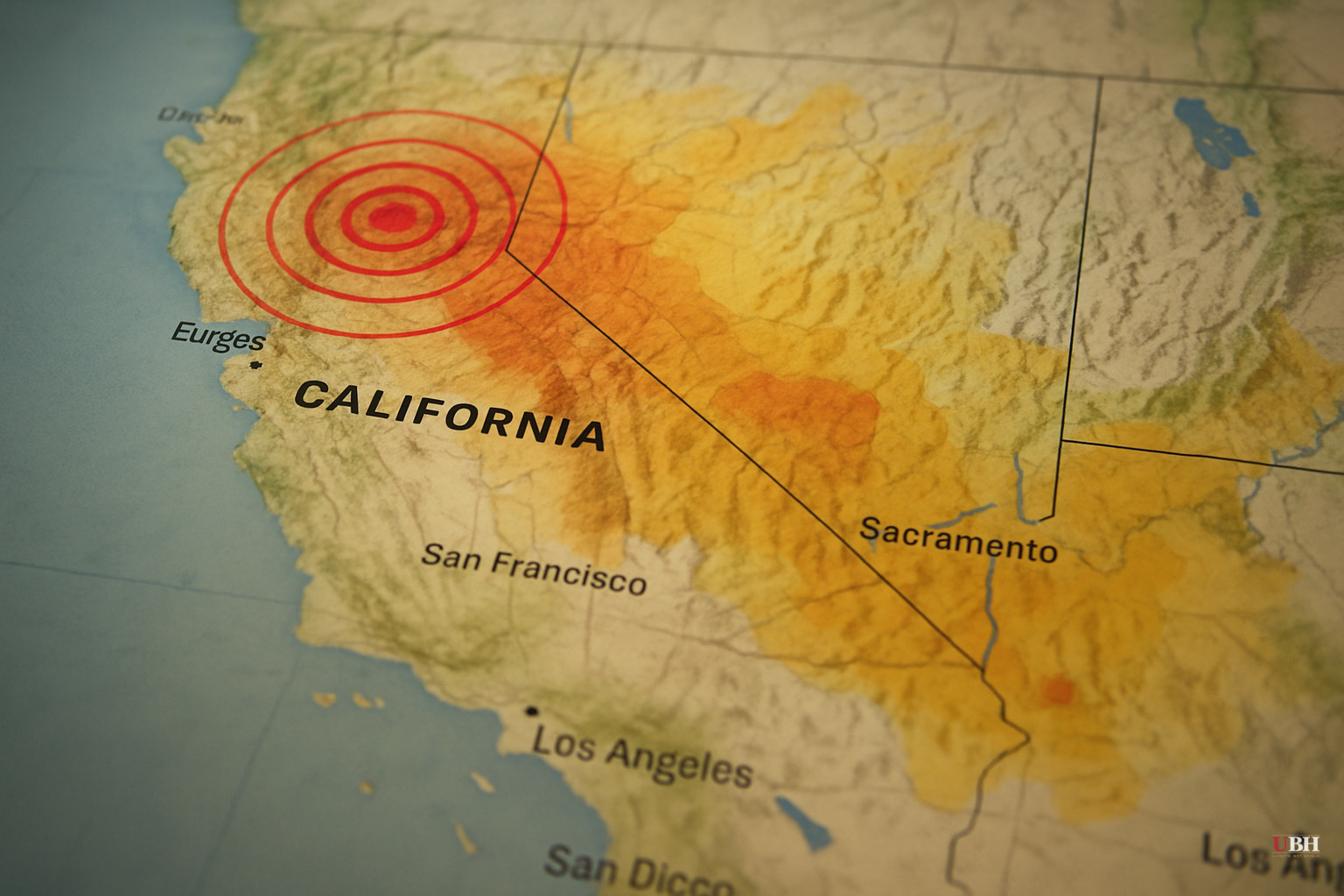
California has had a rough stretch of seismic activity. A 5.6-magnitude quake hit Northern California at the end of June, and smaller tremors, including a 4.2 near Frazier Park, have followed in the weeks since, according to the New York Post. Every jolt seems to be sending homeowners online to buy earthquake insurance they didn't have before.
Ara Muradyan, founder of the brokerage EarthquakeAgent.com, told the Post his call volume has jumped from about five a day to more than 40. "It's the same thing every time we have headlines about earthquakes, or earthquakes themselves," Muradyan said. He said many homeowners are surprised to learn their standard homeowners policy doesn't cover earthquake damage at all. That coverage has to be purchased separately, either through the state-backed California Earthquake Authority or a private carrier.
The Real Number Nobody Talks About Until the House Is Rubble
A typical three-bedroom ranch-style home in the San Fernando Valley runs about $2,000 a year for earthquake coverage, per the Post's reporting. That's on top of whatever homeowners are already paying for fire and standard property insurance in a state where those premiums have been climbing for years.
But the sticker shock isn't the annual premium. It's the deductible. Earthquake policies typically carry deductibles of 10 to 15 percent of the insured value, not a flat dollar figure like a car insurance deductible. On an $800,000 home, that means the owner eats the first $80,000 to $120,000 of damage before the policy pays a dime.
So a homeowner can dutifully pay $2,000 a year for a decade, then watch "The Big One" hit, and still be on the hook for a down payment's worth of repair costs. This is how the math works when insurers have to price for a catastrophic, correlated risk that could flatten entire neighborhoods at once instead of one house at a time.
Why the Deductibles Are So High, and Why That's a Fair Thing to Question
The skepticism here is legitimate. A homeowner paying thousands a year for a policy that still leaves them exposed to a six-figure loss has every right to ask what exactly they're buying. If the policy barely pays out except in the worst-case scenario, is it insurance or just a very expensive bet against total destruction?
The answer insurers and the California Earthquake Authority give is that earthquake risk isn't like fire or theft risk. A single quake can trigger tens of thousands of claims simultaneously across a wide area, which is exactly the kind of correlated catastrophic exposure that forces insurers to charge more and cover less, or exit the market altogether, as many did after the 1994 Northridge quake prompted the state to create the CEA in the first place. High deductibles are the tool insurers use to keep premiums from becoming unaffordable for everyone while still being able to pay out when the truly catastrophic event hits.
Only 1 in 10 Households Are Covered
Despite the scramble, coverage remains rare. Only about 10 percent of California households currently carry earthquake insurance, according to the Post's reporting, even though experts cited in that reporting put the odds of a magnitude 6.7 or larger quake hitting the state at 99 percent over the next 30 years, with roughly 15,000 fault lines running through Southern California alone.
The gap between the actual risk and the actual coverage rate is significant. Insurance interest spikes every time the ground shakes, then fades once the headlines move on. Muradyan's own numbers prove it: five calls a day in quiet periods, 40-plus during a scare.
What happens when the next Northridge or Loma Prieta-scale quake actually hits a state where 90 percent of homeowners have no earthquake coverage at all is not a hypothetical anyone in Sacramento or the insurance industry has fully answered.
Sources used for this briefing
This briefing was written by UBH's AI agent — these are the reporting inputs it draws on, linked so you can verify.


