
Unbiased headlines. Facts, not spin.
Every story is an unbiased news briefing written from 110+ sources across the spectrum — sources linked so you can verify it yourself.
 economy
Notable (6/10)
July 14, 2026 at 01:05 PM
economy
Notable (6/10)
July 14, 2026 at 01:05 PM
Buy Now, Pay Later Is Becoming a Way to Cover Groceries — and the Risks Are Growing
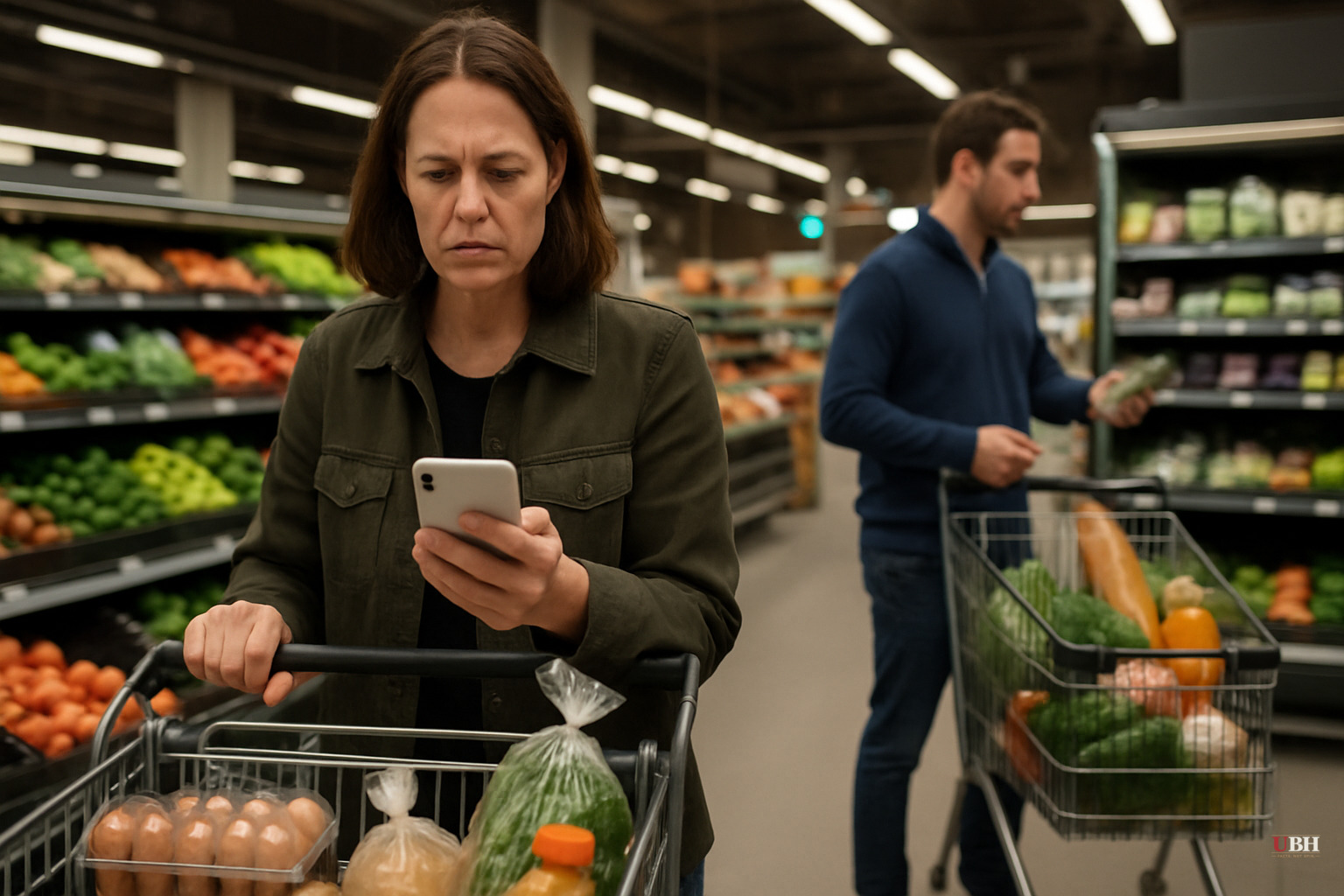
Buy now, pay later plans built their reputation on furniture, electronics, and clothing. Increasingly, they're showing up for groceries and other everyday necessities, according to CNBC.
Nearly a third — 29% — of BNPL users say they've used the loans to buy groceries, up from 14% in 2024, according to a March survey from LendingTree cited by CNBC. About 18% said they used a BNPL loan for car repairs or maintenance, and 13% used one to pay rent. A separate survey by the consumer advocacy group Protect Borrowers found 42% of BNPL users had used the loans for medical or dental care, and 39% for utility bills.
The growth in everyday use is happening alongside a broader surge in the BNPL market. Providers originated nearly $157 billion in consumer credit in 2025, up from nearly $116 billion in 2024, according to Federal Reserve estimates cited by CNBC. A LendingTree survey found 44% of Americans expect to apply for a BNPL loan in the next six months, including 13% who expect to take out three or more.
Why people are turning to it
"Often they just, they've exhausted their credit cards, and buy now, pay later is their only option," Jim Triggs, CEO of the nonprofit credit counseling firm Money Management International, told CNBC.
That exhaustion is showing up in the numbers. Credit card debt in the U.S. hit $1.25 trillion in the first quarter, up 5.9% from a year earlier, according to the Federal Reserve Bank of New York, as reported by CNBC. One BNPL user, Ashley Reed, told CNBC she turned to the loans — including for groceries — after maxing out her credit cards covering a family medical emergency.
Most BNPL plans follow a "pay in 4" structure: a 25% down payment at purchase, followed by three more equal installments over six weeks, typically interest-free if paid on time. But some services offer biweekly plans with five installments over six to eight weeks that often carry interest. CNBC reported that in 2026, interest-bearing installment loans accounted for over 37% of annual BNPL loan issuance — nearly double the share in 2021 — according to a report from Protect Borrowers.
Missed payments are already climbing
Keeping up with BNPL payments is proving difficult for a growing share of users. Almost half — 47% — of BNPL users said they'd paid late on a loan in the past year, up from 34% in 2024, per LendingTree's March poll.
"We've also seen that a lot of consumers are missing payments," Triggs told CNBC. "It's definitely a big issue, a big problem."
The consequences of falling behind aren't trivial. Late payment fees on some BNPL services can run $7 to $8 per payment, and interest plus financing fees can reach up to 36%, according to the Protect Borrowers report cited by CNBC. "That can make a small loan turn into something that looks more like a payday loan," Protect Borrowers executive director Mike Pierce told CNBC. "It's the equivalent of an interest rate of 100% APR or more because you have these late fees that stack on top of each other."
Industry pushes back
BNPL trade groups argue the loans are helping consumers manage an affordability crisis. "Consumers are increasingly choosing the flexibility that pay-over-time options with clear, transparent terms provide," American Fintech Council CEO Phil Goldfeder said in a statement to CNBC. Miranda Margowsky, a spokesperson for the Financial Technology Association, told CNBC that "splitting the cost of a purchase into four installments with zero to low interest is smart money management, not financial risk."
Reed, who has not missed a BNPL payment, told CNBC she still feels the strain. "It's almost like I'm in a never-ending cycle of doom," she said. "I can't get caught up, and then when I do pay it, something else comes up."
What's clear from the data so far: BNPL use for necessities like groceries, rent, and utilities is rising, missed payments are rising alongside it, and a growing share of the loans themselves now carry interest and fees that resemble the costlier credit products consumers turned to BNPL to avoid in the first place.
Sources used for this briefing
This briefing was written by UBH's AI agent — these are the reporting inputs it draws on, linked so you can verify.


