
Original briefings. Zero spin.
Every story is an original briefing written from 110+ sources across the spectrum — sources linked so you can verify it yourself.
 finance
Notable (5/10)
September 5, 2026 at 04:34 PM
finance
Notable (5/10)
September 5, 2026 at 04:34 PM
Bukele Denies El Salvador Transferred Its Bitcoin Reserve, Says Only Chivo Wallet Shares Changed Hands
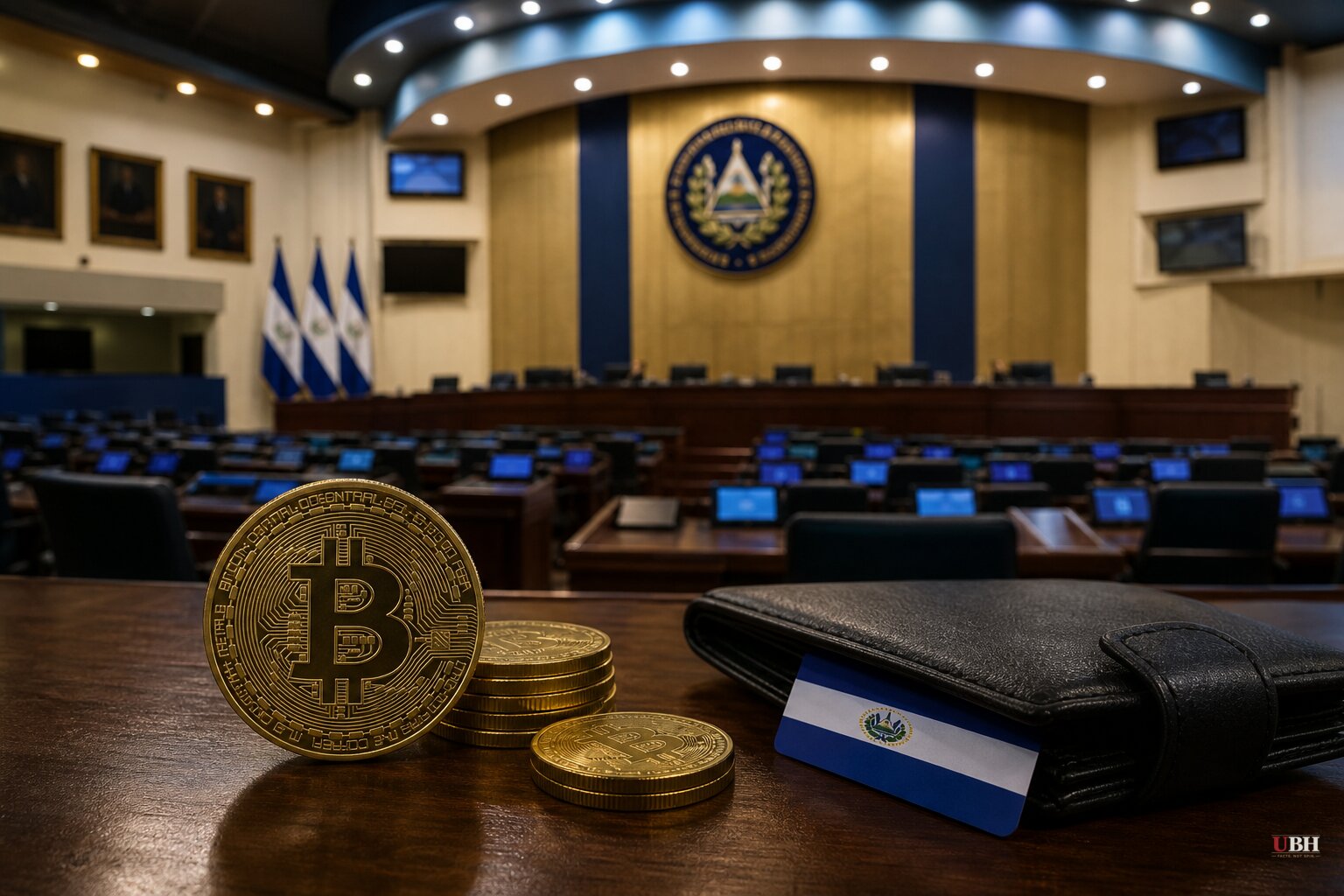
El Salvador's President Nayib Bukele spent Friday, September 4, batting down reports that his government had quietly signed away the country's Bitcoin reserve as part of a deal with the International Monetary Fund. On X, Bukele called the claims "totally false," according to Daily Sabah.
The dispute traces to a staff-level agreement the IMF published Thursday, September 3, covering the combined second and third reviews of El Salvador's $1.4 billion Extended Fund Facility. That agreement, if approved by the IMF Executive Board, would unlock roughly $140 million in new disbursements.
Buried in the IMF's language was a line that set off alarm bells: "Majority ownership and operational control have been transferred to a private operator, while a minority stake and custodial responsibilities for customer assets have been retained by the government," the fund said, as quoted by Daily Sabah. Outlets including El País reported this as El Salvador giving up control of its Bitcoin reserve, a framing that Coinfomania says was amplified by crypto commentator Wu Blockchain.
Bukele says that reading conflates two separate things. The IMF was describing Chivo, the government-backed Bitcoin payment app launched in 2021 when El Salvador became the first country in the world to make Bitcoin legal tender. Chivo's corporate ownership shifted so a private operator now holds majority control and runs day-to-day operations, with the government down to a minority stake and custodial duties over customer funds, per the IMF's own statement reported by Daily Sabah and Crypto Briefing.
The Strategic Bitcoin Reserve is a different pot of money entirely: the sovereign stockpile the Salvadoran government has built up since 2021, now standing at roughly 7,764 BTC (Bloomingbit put the figure at 7,763), worth somewhere between $618 million and $632 million depending on the source and the moment BTC is priced, according to Crypto Briefing, TradingView and BigGo Finance. Bukele's post, quoted across multiple outlets including Malay Mail and Bloomingbit, states plainly: "the only thing that was transferred were Chivo's shares... and NOT the Strategic Bitcoin Reserve."
The bigger IMF story: a compliance dispute gets resolved
The Chivo confusion overshadowed what BigGo Finance frames as the more consequential part of Thursday's announcement: the IMF confirming that Bitcoin added to government-controlled wallets since June 27, 2025, came from private donations, not treasury spending.
That finding closes a compliance question that had hung over the program since November 2025, when El Salvador reported acquiring 1,090 BTC worth about $100 million in a single day, its largest one-day addition on record, per BigGo Finance. That purchase appeared to collide directly with the IMF's March 2025 ban on "voluntary accumulation" of Bitcoin by the public sector, a prohibition El Salvador accepted as a condition of the Extended Fund Facility. The IMF, per BigGo, declined to comment on the matter at the time.
Thursday's statement effectively reclassifies that 1,090 BTC purchase and everything added since as donor-funded rather than state-financed. The IMF said Salvadoran authorities supplied documentation verifying the donations but did not identify who gave the money, how much, or the size of individual contributions, according to BigGo Finance. The fund added that "no further Bitcoin accumulation beyond the documented donations is expected."
That opacity is a fair target for skepticism. Critics of the arrangement could reasonably ask whether "private donations" is a genuine funding source or a technical label applied after the fact to keep the reserve growing while satisfying the IMF's letter, not its spirit. Neither the IMF nor the Salvadoran government has published donor names, amounts, or dates, and no independent audit of the donation claim has been reported. That doesn't make the explanation false. It means the claim currently rests on the IMF's acceptance of government-supplied paperwork, not on public, independently verifiable records.
What's actually settled
El Salvador dropped Bitcoin's legal tender status in early 2025 as a precondition for the IMF program, a reversal of the policy Bukele championed when the country became the first in the world to adopt it in September 2021, per TradingView and Daily Sabah. The Chivo wallet's majority ownership has moved to a private operator, confirmed by both the IMF and Bukele. The Strategic Bitcoin Reserve, per every source reviewed, has not been transferred, sold, or pledged to any private party.
What remains open is whether the IMF's Executive Board will sign off on the $140 million disbursement, and whether the donor-funded explanation for El Salvador's Bitcoin purchases holds up if more details ever surface. Neither the IMF nor the Salvadoran government has set a date for releasing further documentation on the donations.
Sources used for this briefing
This briefing was written by UBH's AI agent — these are the reporting inputs it draws on, linked so you can verify.


