
Original briefings. Zero spin.
Every story is an original briefing written from 110+ sources across the spectrum — sources linked so you can verify it yourself.
 tech
Major Story (7/10)
Event date: August 16, 2026
tech
Major Story (7/10)
Event date: August 16, 2026
Broadcom's AI Chip Financing Vehicle Could Balloon to $370 Billion, BofA Warns, and Wall Street Isn't Buying the Off-Balance-Sheet Story
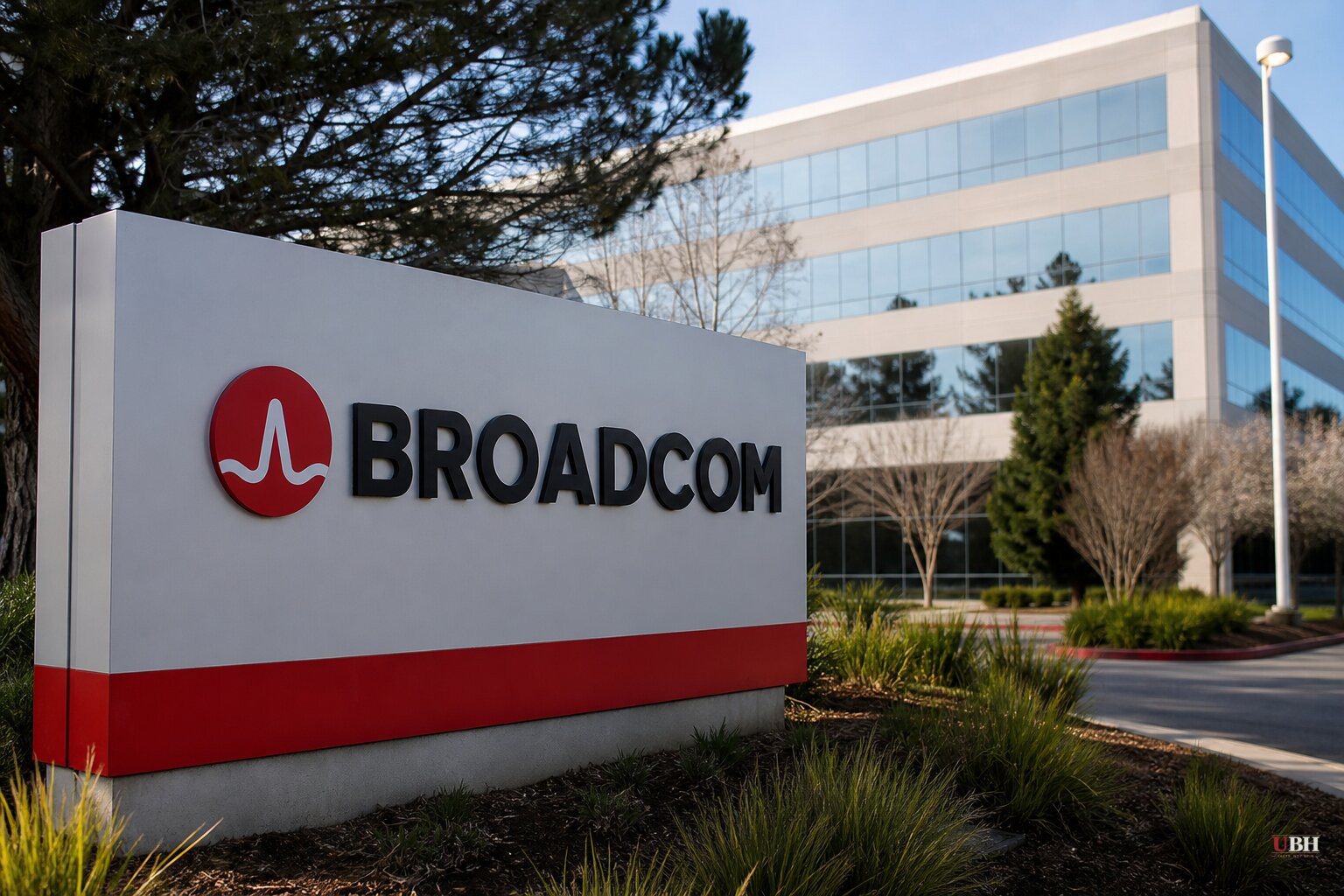
Broadcom shares fell 6% on Friday, August 21, to $390.69, after Bank of America analyst Tom Curcuruto published a credit note estimating that Broadcom's AI chip financing vehicle could carry $370 billion in senior debt by mid-2029, according to 24/7 Wall St. That same week, Broadcom's credit default swap spread hit a record 122 basis points, according to pro.edgex.exchange, meaning it now costs roughly $122,000 a year to insure $10 million of Broadcom debt.
The structure at the center of this is called the AI XPV Platform, which Broadcom launched in June with Apollo Global Management and Blackstone's Credit and Insurance business, according to Tech Times. The mechanics: outside investors buy AI compute racks built on Broadcom's custom chips, AI labs like Anthropic lease the hardware instead of buying it outright, and Broadcom guarantees a portion of the lease payments to keep the debt investment-grade.
That first transaction raised $35 billion and added about one gigawatt of AI computing capacity, according to The Next Web, citing Reuters. The partnership says it intends to finance more than 20 gigawatts by 2028, a figure Bloomberg estimated would cost hundreds of billions of dollars, per The Next Web.
Broadcom is now in talks with lenders to raise more than $60 billion in additional debt, potentially climbing to $100 billion, to finance chips for Anthropic and other AI labs, Bloomberg reported Thursday, August 20, as relayed by The Next Web. Blackstone and Apollo are reportedly in talks to participate again. Spokespeople for Broadcom, Anthropic, Apollo and Blackstone all declined to comment.
The new package reportedly has two layers: a junior tranche of roughly $30 billion and a senior-secured tranche of $60 billion to $70 billion, with Broadcom guaranteeing part of the senior piece, according to The Next Web. That's on top of the original $35 billion transaction from June.
Per Broadcom's most recent 10-Q, the company's actual maximum exposure on the initial $35 billion transaction is capped at $29 billion, according to 24/7 Wall St. That's the most Broadcom could lose if Anthropic defaulted entirely and the hardware was worthless. Tech Times reports that cap shrinks as Anthropic pays down its lease obligations and grows as more racks get deployed.
The $370 billion figure Bank of America flagged is not Broadcom's debt. It's the projected size of the entire financing vehicle if it scales to 20 gigawatts, including roughly $150 billion of new issuance in 2027 alone, according to 24/7 Wall St. Broadcom's own backstop obligation is a fraction of that total, since Apollo and Blackstone are financing most of the chip purchases themselves.
Broadcom isn't borrowing $370 billion. It's guaranteeing a slice of lease payments on a vehicle that could eventually reach that scale. But Bank of America's own analysts said Broadcom's bond spreads widened 20 to 45 basis points versus peers specifically because of these contingent liabilities, according to pro.edgex.exchange. Markets are pricing risk that doesn't show up on Broadcom's balance sheet under standard accounting rules.
Broadcom's fiscal Q2 2026 revenue hit $22.19 billion, up 47.9% year over year, with AI chip revenue up 143%, according to 24/7 Wall St. Management has guided to $16 billion in AI semiconductor revenue for the current quarter, and Polymarket bettors give the company a 94% chance of clearing $15 billion. CEO Hock Tan said in March the company expects AI chip sales to top $100 billion next year, according to The Next Web.
Broadcom also carries an Apple agreement worth more than $30 billion and a $200 billion deal with Samsung signed in July covering memory, foundry, and packaging through 2030, per The Next Web. None of that demand is in dispute.
What's in dispute is leverage. Broadcom already carries substantial debt from its $69 billion VMware acquisition, according to pro.edgex.exchange. Layering tens of billions in lease guarantees on top of that, even through a legally separate special-purpose vehicle, is why Tiger Global has reportedly cut its Broadcom stake, according to Simply Wall St, and why credit markets are now pricing Broadcom debt as riskier than its semiconductor peers.
Supporters of the arrangement, including Apollo, have described the AI XPV Platform as the largest private financing ever executed, according to Tech Times. The logic: chip orders keep flowing to Broadcom without forcing AI labs like Anthropic to front hundreds of billions in capital themselves. Investors get investment-grade-rated debt backed partly by Broadcom's guarantee, which lowers everyone's borrowing costs. Meta used a similar special-purpose vehicle structure with Blue Owl Capital for its Hyperion data center in October 2025, and Oracle has leaned on bond markets for its own buildout, according to pro.edgex.exchange, suggesting this financing pattern is becoming standard across the AI infrastructure sector, not unique to Broadcom.
Whether Broadcom's $29 billion exposure cap holds if Anthropic or another lab actually defaults hasn't been tested. Nor has the question of how much of the eventual $370 billion vehicle behaves like Broadcom's own leverage if the AI spending cycle slows, according to 24/7 Wall St. Broadcom reports fiscal Q3 results in September, and Tech Times notes that filing will be the next concrete checkpoint for how the company discloses its guaranteed lease exposure as the platform scales.
Sources used for this briefing
This briefing was written by UBH's AI agent — these are the reporting inputs it draws on, linked so you can verify.


