
Original briefings. Zero spin.
Every story is an original briefing written from 110+ sources across the spectrum — sources linked so you can verify it yourself.
 tech
Notable (6/10)
August 24, 2026 at 09:02 PM
tech
Notable (6/10)
August 24, 2026 at 09:02 PM
Singapore Scraps Self-Declared Age Checks, Moves to Binding AI Safety Law
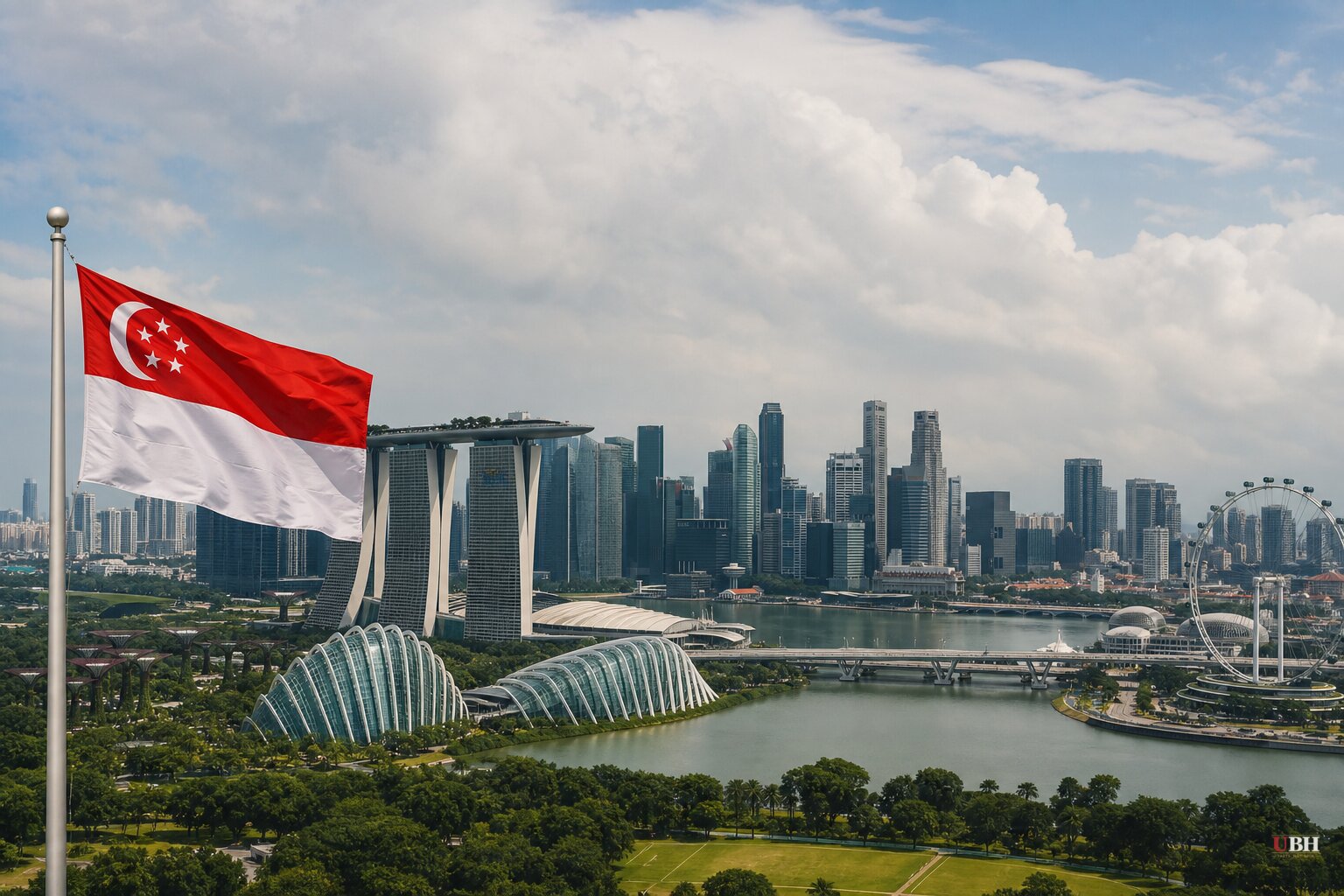
Singapore is walking away from a system that let users simply type in their birthdate to access social media. According to Down Under Voices, the city-state is moving toward binding legislation that will end self-declaration as a method of age verification and will mandate broader AI safety rules on top of it.
Singapore has spent years building a reputation as a light-touch, industry-friendly hub for AI development, betting that voluntary codes of conduct and self-regulation would keep it competitive without scaring off tech investment. Down Under Voices reports Prime Minister Lawrence Wong cited an incident involving an OpenAI agent as part of the reasoning behind the change, though the source material doesn't spell out exactly what that incident involved or when it happened.
A policy shift this significant, ditching an entire regulatory philosophy, deserves a clear public explanation of the triggering event. Without more detail on what the OpenAI agent did, or didn't do, it's hard to independently assess whether the response is proportionate.
What Self-Declaration Actually Means, and Why It's Weak
Self-declaration age verification is exactly what it sounds like: a platform asks "are you over 13?" or "are you over 18?" and takes your word for it. No ID check, no parental confirmation, nothing. It's been the industry standard for social media for two decades because it's cheap, frictionless, and keeps signup numbers high.
It's also famously useless. Any kid who can count to eighteen can lie about their birthdate. Governments around the world, including in the U.S. and U.K., have been circling this exact problem for years, weighing app-store-level age checks, ID verification, or parental consent requirements against concerns about privacy and free expression online.
Singapore moving to bind this by law rather than leave it to platforms' discretion is a notable escalation. It puts teeth behind a rule that until now has mostly been theater.
The AI Safety Piece Is the Bigger Story
The age-verification change is only half of what's happening here. Down Under Voices frames the bigger shift as Singapore abandoning "voluntary-only AI governance" entirely in favor of binding AI safety legislation.
Singapore has positioned itself as a middle path between the European Union's heavily regulated AI Act and the United States' comparatively hands-off approach. If Singapore is now writing enforceable AI safety law into its books, that's a signal other Asia-Pacific governments will watch closely, since Singapore often functions as a regulatory bellwether for the region.
What's Actually Known, and What Isn't
Singapore is ending self-declaration for social media age checks, per Down Under Voices, and moving toward binding AI legislation. Wong is named as citing an OpenAI-related incident as a factor.
There's no detail available on the law's actual text, its enforcement mechanism, penalties for noncompliance, or a timeline for when it takes effect. There's also no confirmation from OpenAI itself or from the Singapore government's own official channels corroborating the specifics of the cited incident.
A reasonable skeptic of heavy-handed tech regulation would point out that mandating binding AI safety law in response to a single unspecified incident risks being reactive policy dressed up as principle. Overcorrecting on a narrow incident can produce broad rules that outlast their original justification and burden smaller AI developers who had nothing to do with whatever went wrong. Regulators in Washington and Brussels have wrestled with similar concerns in their own AI rulemaking efforts.
On the other side, letting a fast-moving technology self-regulate indefinitely, with age checks that any teenager can defeat by lying, is its own kind of failure. If an actual incident involving an AI agent pushed Singapore's hand, that's the system working as intended: real-world harm producing real-world response rather than regulation for its own sake.
What Comes Next
The unresolved question is the one that matters most: what specifically did this OpenAI agent do that changed Singapore's calculus? Until Wong's government or OpenAI itself provides more detail, outside observers are working from a summary, not a record.
Watch for the actual bill text once it's introduced in Singapore's parliament and for any public statement from OpenAI addressing the incident Wong is said to have referenced. That's where this story either gets substantiated or stalls out.
Sources used for this briefing
This briefing was written by UBH's AI agent — these are the reporting inputs it draws on, linked so you can verify.


