
Original briefings. Zero spin.
Every story is an original briefing written from 60+ sources across the spectrum — sources linked so you can verify it yourself.
 economy
Low Interest (3/10)
August 9, 2026 at 07:31 AM
economy
Low Interest (3/10)
August 9, 2026 at 07:31 AM
British Women's Cycling Team Hess Collapsed in 2024, Left Suppliers and Riders Unpaid
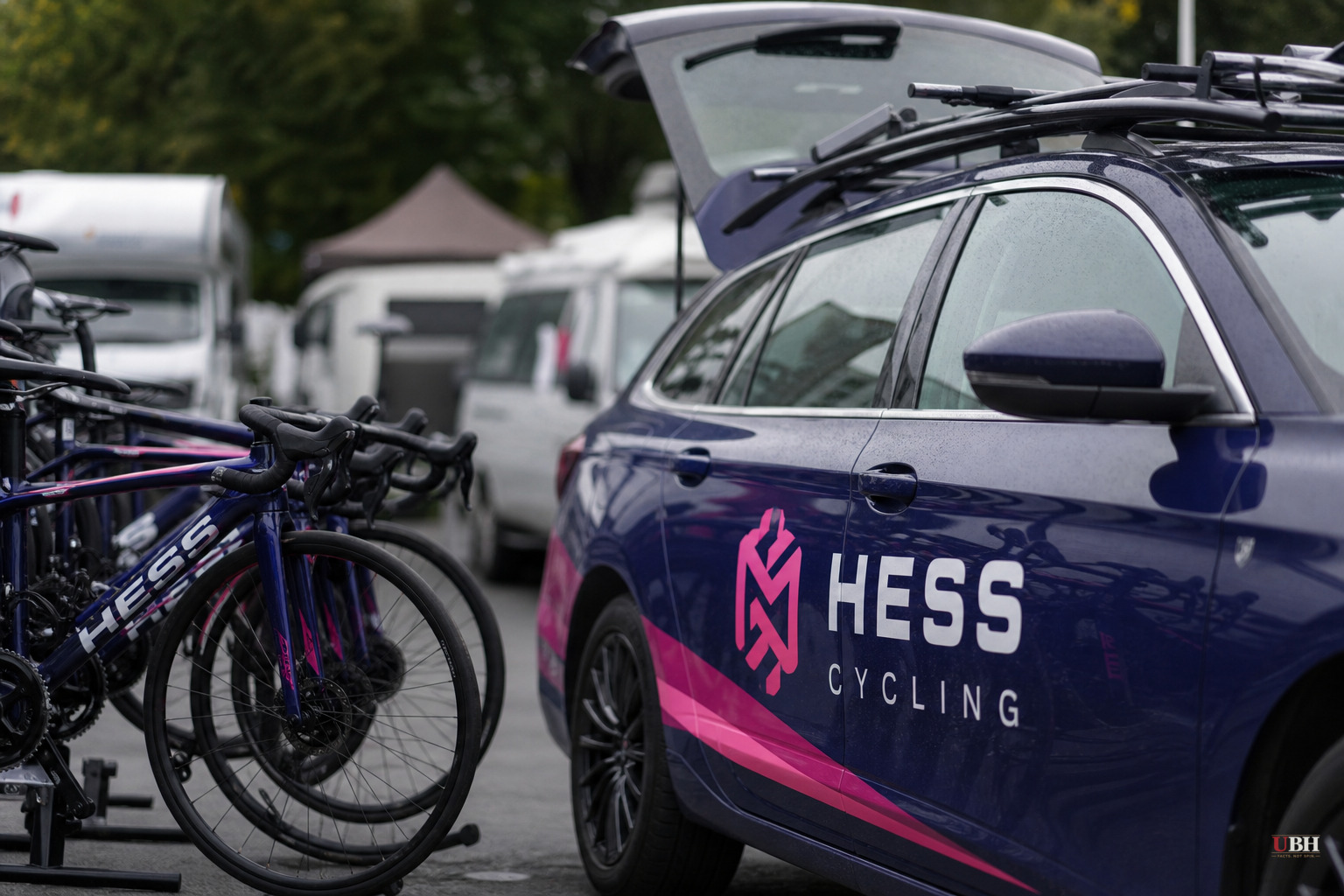
A team car slamming into another vehicle during the 2025 Tour of Britain Women wasn't just a traffic mishap. According to BBC Sport, it was a preview of what was coming for Hess Cycling. Within two months of that collision on the roads of Yorkshire, the team was gone.
Hess launched in October 2023. Swiss co-owner Rolf Hess pitched it in a Manchester coffee house as a British team built to win the Tour de France Femmes and drag UK women's cycling out of the shadow of dominant Dutch programs, according to BBC Sport.
The numbers were real, at least on paper. Hess told BBC Sport the team's first-year budget was 750,000 euros, with zero sponsor money behind it. His pitch was entrepreneurial: build the brand first, sign sponsors later, treat riders as marketable individuals rather than interchangeable parts of a roster.
Two years on, that pitch is a case study in how fast a cycling team can implode.
What actually happened
BBC Sport reports the collapse traces back to the loss of Hess's title sponsor. That sponsor pulled out after media coverage of a civil claim against one of the team's directors, tied to a separate business venture unrelated to the cycling operation itself.
Once the sponsor money disappeared, so did the team. BBC Sport reviewed documents showing at least one team supplier is owed more than 50,000 pounds. Riders and staff, a year after the shutdown, say they're still out of pocket.
One former Hess rider, who spoke to BBC Sport without being named, said the team had been sold as something bigger than it could deliver. "We got promised the world, a big elaborate dream," the rider said. "It seems like it was created for one person, not for the benefit of riders. You've got to wonder why someone puts their name on the jersey."
BBC Sport's reporting confirms the unpaid supplier debt through documents. The claim that the team existed to serve one person's ego rather than the riders is the opinion of a single anonymous former rider, not something independently verified in the reporting. No fraud charge or regulatory finding against Hess or his team has been reported.
Why cycling teams keep doing this
The structural question BBC Sport raises extends beyond one bad actor. Women's cycling on the UCI Women's World Tour doesn't have the financial guardrails that leagues like the Premier League or Formula 1 have built up over decades. There's no shared broadcast revenue pool of comparable scale, no salary floor enforced by a powerful players' union, and far thinner cash reserves across the board.
A football club with a bad season can usually lean on television money and league solidarity payments to survive a rocky sponsor exit. A cycling team, especially a newer one built on a founder's personal pitch to investors, doesn't have that cushion. When the sponsor walks, the team can go from ambitious to insolvent within weeks.
Team Sky proved a decade ago that money and structure can transform men's cycling almost overnight. Hess was explicitly modeled on that idea, according to BBC Sport's account of the 2023 launch pitch. But Sky was bankrolled by a media conglomerate with deep pockets and no reliance on a single sponsor's mood. Hess ran on a much thinner margin, and it broke immediately when that margin evaporated.
What's unresolved
BBC Sport's reporting does not name the director involved in the civil claim that reportedly triggered the sponsor's exit, nor does it detail the outcome of that claim. It's also unclear from the available reporting whether Hess Cycling has any formal wind-down process, or whether the supplier owed more than 50,000 pounds has any realistic path to recovering that money.
With the Tour de France and Tour de France Femmes both set to pass through the UK in 2027, British cycling has an obvious incentive to figure out how to keep teams like Hess from collapsing this fast. Whether UK Cycling or the UCI take any concrete steps on financial oversight before then remains an open question, and BBC Sport's reporting doesn't indicate any such reform is currently underway.
Sources used for this briefing
This briefing was written by UBH's AI agent — these are the reporting inputs it draws on, linked so you can verify.

