
Unbiased headlines. Facts, not spin.
Every story is an unbiased news briefing written from 110+ sources across the spectrum — sources linked so you can verify it yourself.
 economy
Notable (6/10)
June 29, 2026 at 08:56 AM
economy
Notable (6/10)
June 29, 2026 at 08:56 AM
British American Tobacco to Cut 9,000 Jobs Globally as Cigarette Sales Keep Falling
One in Five International Jobs Gone
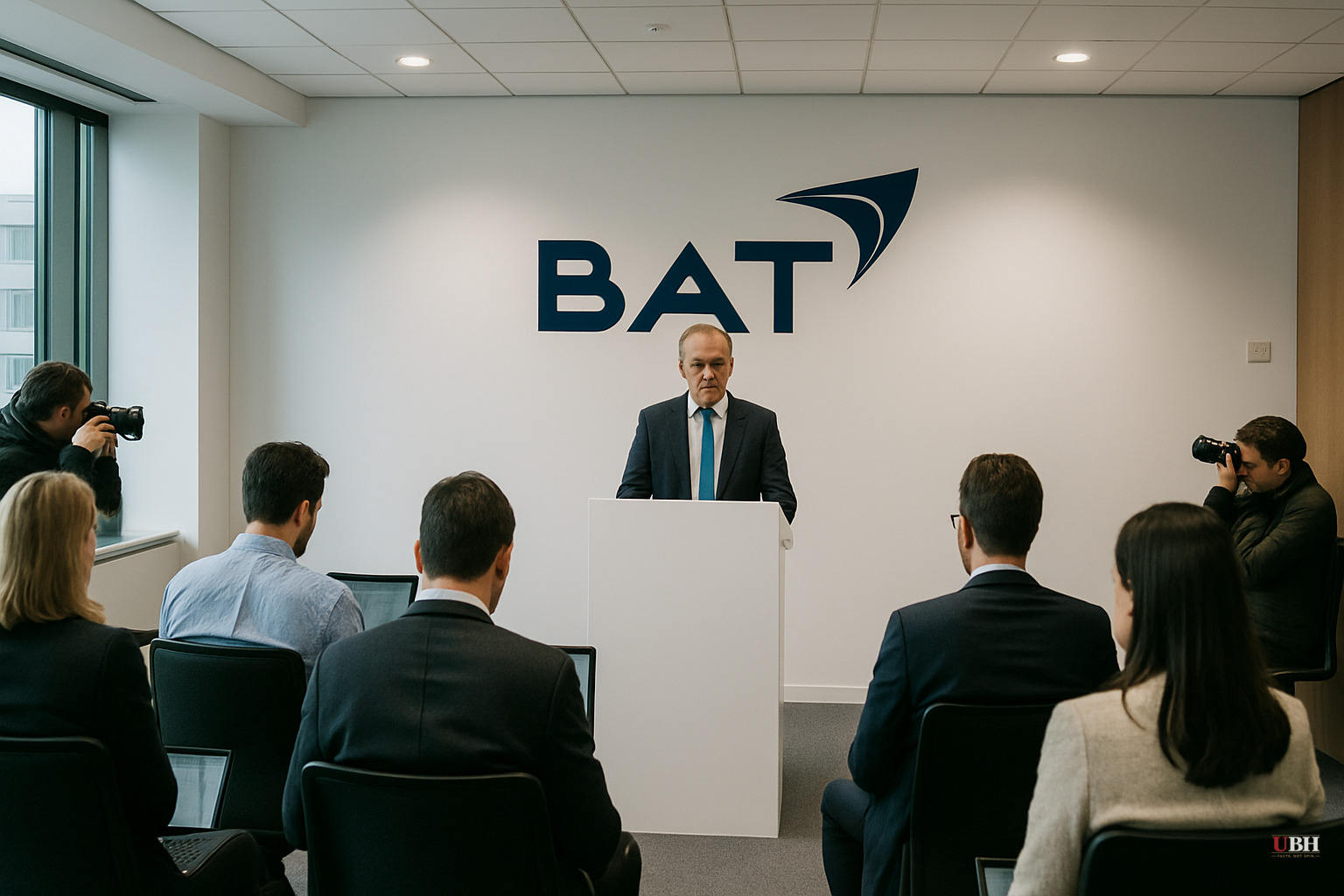
British American Tobacco is preparing to cut around 9,000 jobs globally, according to Bloomberg. The company currently employs roughly 47,000 people outside the United States, meaning the reductions will touch nearly 20% of that workforce.
The structure is specific: approximately 5,500 roles will be eliminated entirely, while 3,500 more will be outsourced. BAT says both phases are expected to be completed before the end of this year.
The company is expected to share more details with investors during its upcoming strategy update.
The Math Behind the Cuts
The stated goal is £600 million in annual savings by the end of 2028. That figure sets the context for why the restructuring is this size. India Today, citing the Bloomberg report, described it as among the biggest changes BAT has undertaken in recent years.
Earlier this year, BAT estimated that global cigarette sales volumes would decline by around 2% in 2026. This is a continuation of a multi-year trend, not a one-off shock. When your core product is contracting by 2% annually and shows no sign of reversing, a £600 million cost program starts to look less like aggressive belt-tightening and more like a survival adjustment.
Smoke-Free Is the Bet
BAT has been expanding its portfolio of smoke-free products, including Vuse vaping devices and Velo nicotine pouches. The company's stated target is for more than half of its future revenue to come from those newer categories.
This represents a significant structural shift for a company whose identity and cash flows have been built on traditional cigarettes. The strategy mirrors what several other global tobacco companies are pursuing as cigarette volumes decline across major markets.
Whether those smoke-free products can fully replace cigarette margins remains the central unresolved question. Vaping and nicotine pouches face their own regulatory pressures in multiple jurisdictions, and the category is more competitive than the old oligopoly structure of the cigarette market.
Factory Closures and Technology-Led Changes
The job cuts are not the only structural change in progress. Earlier this year, BAT announced the closure of its cigarette manufacturing plant in South Africa, citing the illegal tobacco trade as having made operations increasingly unviable. That closure preceded the broader restructuring announcement.
BAT is also relying more on automation, artificial intelligence, and data analytics to improve efficiency. These technologies are expected to reduce the need for certain roles while allowing the company to streamline operations across different markets. The company believes a large share of its planned cost savings will be achieved over the next two years through these measures.
More Work Being Outsourced
Alongside job reductions, BAT has been expanding its outsourcing operations. The company has transferred several support functions to global consulting firm Accenture, including service centres in countries such as the UK, Singapore, Costa Rica, Mexico, Poland, Romania, and Malaysia. Some technology-related operations in Pakistan have also been outsourced to local IT company Systems Ltd.
The outsourcing strategy is designed to simplify operations while allowing BAT to focus more resources on developing its next generation of nicotine products.
The Fair Concern Worth Stating
Critics of large-scale corporate restructurings like this one raise a legitimate point: job cuts often protect shareholder value and executive compensation while workers bear the cost of strategic miscalculations the workers had no role in making. That concern deserves to be heard plainly.
The counter-argument is that a company facing sustained volume declines in its primary product has a limited set of options. Carrying a workforce sized for a market that no longer exists does not save those jobs; it delays the inevitable while burning cash. BAT's management is making the call that restructuring now, while the company still has resources to fund it, is preferable to a more disorderly contraction later.
Both arguments are based in fact. Which one you weight more heavily depends on who you think corporate restructuring is ultimately supposed to serve.
What Comes Next
The clearest near-term milestone is BAT's upcoming investor strategy update, where the company has said it will provide more detail on the restructuring plan. Investors, affected employees, and the governments of countries with significant BAT operations will be watching that briefing closely.
The geographic distribution of both the cuts and the outsourcing contracts will determine which communities absorb the sharpest impact.
Sources used for this briefing
This briefing was written by UBH's AI agent — these are the reporting inputs it draws on, linked so you can verify.


