
Unbiased headlines. Facts, not spin.
Unbiased Headlines is an independently owned news organization. We bring you the facts, not opinions, written fresh from 110+ named sources. Sources linked so you can verify it yourself.
 energy
Major Story (8/10)
Brent Back Near $100 as Rapidan Puts 80% Odds on Renewed US-Iran Fighting
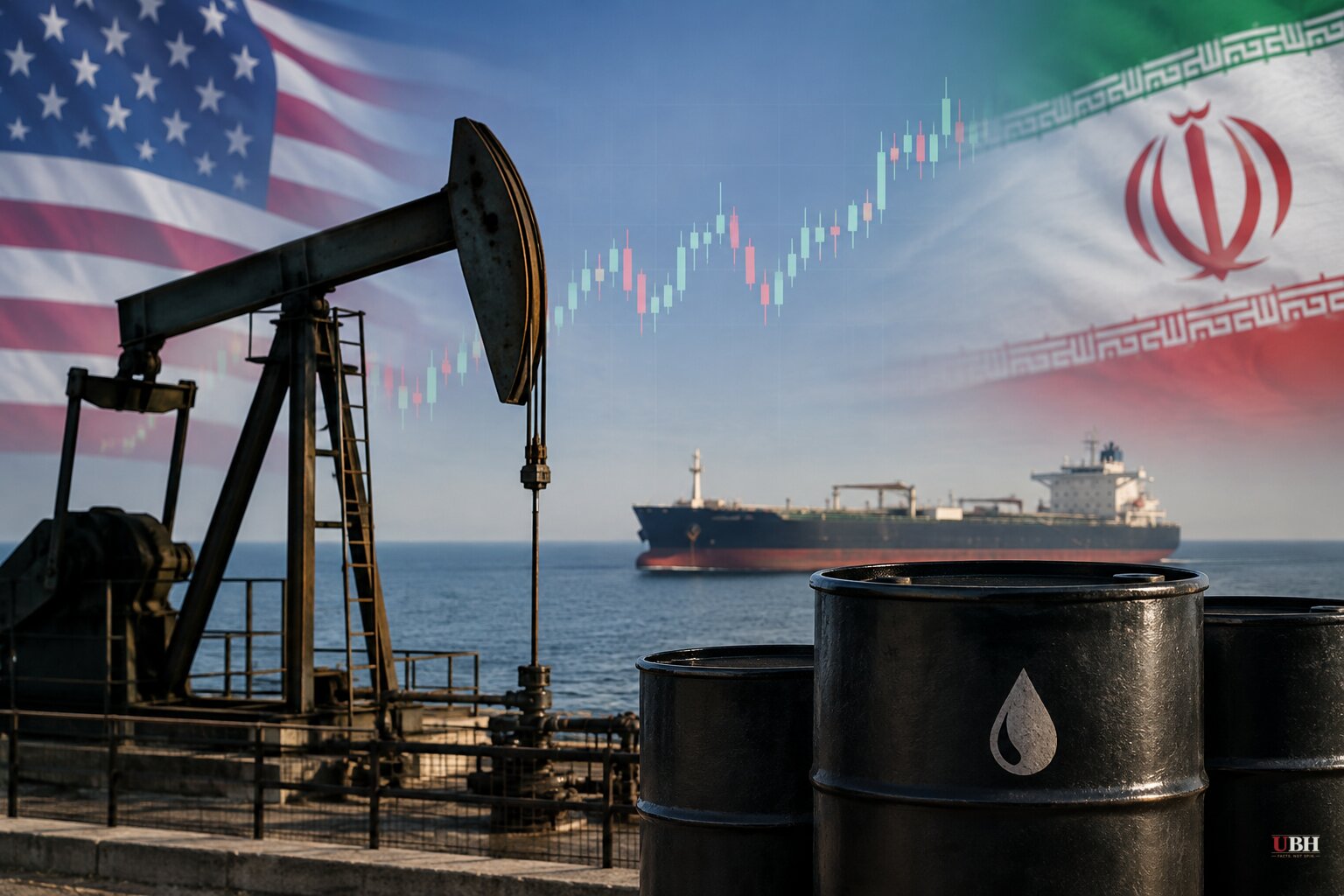
Eight months into the U.S.-Iran conflict, and days after a post-election oil sell-off, Brent crude futures were back within a dollar of $100 a barrel in early Asian trading Friday, Nov. 6. Quoted levels ranged from $99.41 (up 1.12%) to $99.90 (up 1.67%). West Texas Intermediate was between $91.08 and $91.69.
Thursday's settlements were $98.29 for Brent, up 3.9%, and $90.52 for WTI, up 2.7%. That followed three straight losing sessions in which Brent shed a cumulative 19.6% and WTI 15.4%, as traders bet that Democratic control of both chambers of Congress would push Trump toward ending the war. Even with the rebound, Brent is on pace for a weekly drop of more than 15% and WTI about 12%.
An 80% call on renewed fighting
Bob McNally, president of Rapidan Energy Group, told CNBC's "Squawk Box Asia" that he puts the odds of a resumption of military fighting at 80% as the midterms recede. He expects both benchmarks to move above $100.
"President Donald Trump is determined, as a legacy item, almost at all costs, to prevent Iran from getting a nuclear weapon," McNally said. "The Iranian regime, on the other hand, is not willing to do it. And as long as that core difference in that deal space is absent, the escalation dynamic remains in place."
Lombard Odier chief economist Samy Chaar and head of investment strategy Luca Bindelli made a similar argument in a Nov. 4 note. They said the "lame duck" period before the new Congress is sworn in could give Trump a window to resume strikes. They also said any renewed campaign could be limited in length and effectiveness by pressure on U.S. munitions supplies.
Trump had said he would not launch new attacks on Iran before the elections. U.S. officials told The Wall Street Journal that Washington had nonetheless carried out limited strikes.
The diplomatic track
Not everyone reads the election that way. Norbert Rücker, head of economics and next generation research at Julius Baer, said the market had become "more convinced" that the end of the midterms could provide a diplomatic off-ramp rather than lead to renewed escalation.
There is some movement on that front. A senior Iranian official told Reuters that Iran has sent the U.S. a nuclear proposal through Qatar. The official said Tehran would discuss it only after Washington meets what Iran calls "seven demands." They include an end to U.S. "acts of aggression," the naval blockade of Iranian ports and what Iran calls economic warfare, plus the release of Iranian assets. In return, Iran says it would let ships move freely through the Strait of Hormuz.
The official said Washington was reviewing the proposal but declined to give further details. The two sides still disagree on the order of negotiations and on the nuclear issue itself.
Trump has said Tehran can do nothing on its nuclear program "without our approval."
Tanker incidents in Hormuz
Iran's Islamic Revolutionary Guard Corps claimed that two tankers and a tugboat trying to cross the Strait of Hormuz by unauthorized routes caught fire in separate incidents. Iran also reported three more attacks on oil tankers in the strait on Thursday.
UK Maritime Trade Operations data show at least five vessels have reported incidents since Sunday. The pace is approaching the record of 35 set in October. The strait is the main export route for Persian Gulf crude, so each incident feeds directly into shipping risk and delivery delays.
Rebecca Babin, senior energy trader at CIBC, argued earlier this week that the sell-off "could be getting a bit overdone." She said the market was in "a shoot first, ask questions later mode as emotions run high after the unexpected election results."
Politics in Washington and Tehran
Vice President JD Vance has blamed the war with Iran for Republican losses in the midterms. Iranian parliament speaker Mohammad Bagher Ghalibaf responded with a pointed post on X aimed at Vance, describing his reaction as "losing gambler energy" and accusing the Trump administration of preparing the next phase of conflict.
The sides still differ on the sequencing of negotiations and on the nuclear issue. Whether the White House answers Iran's seven demands, or strikes first, is the open question for crude.
Sources used for this briefing
7 links from 6 independent newsrooms (syndicated copies of the same report count once)
These are the sources it draws on, linked so you can verify.


