
Unbiased headlines. Facts, not spin.
Unbiased Headlines is an independently owned news organization. We bring you the facts, not opinions, written fresh from 110+ named sources. Sources linked so you can verify it yourself.
 energy
Notable (6/10)
Diamondback Signals No Major 2027 Drilling Increase Even as WTI Averages $86.72 This Year
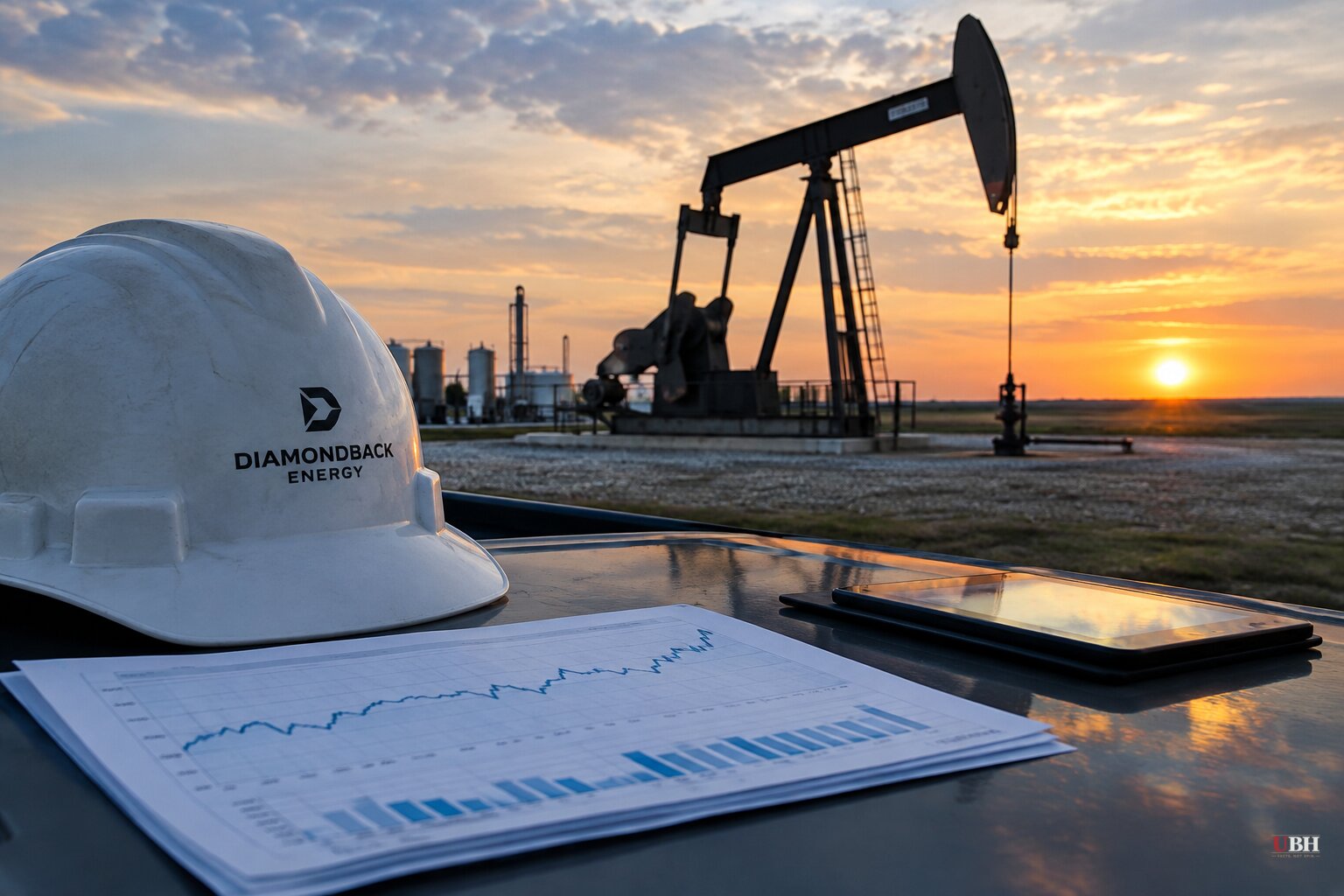
The biggest U.S. shale producers are sitting on their hands. Crude is expensive, and they are not drilling their way into it.
WTI has averaged $86.72 a barrel so far in 2026, according to Oilprice.com data. The 2025 average was $64.94. That is a jump of more than $20 a barrel.
Diamondback Energy, the largest driller focused only on the Permian Basin, made its position plain on its third-quarter earnings call this week. It does not plan materially higher drilling activity next year.
Diamondback's numbers and its message
The company generated $2.1 billion in free cash flow in the third quarter. It raised its 2026 dividend and nudged its production outlook for the year slightly higher.
It also used excess cash to buy back bonds and shares and to cut debt. CEO Kaes Van't Hof said the base dividend is now up more than nine times since the company started it at $0.50 per share in 2018.
Van't Hof told analysts he would not call himself unnecessarily cautious. "I think it's always good to prepare the company for a swing to the downside," he said. "It's not a good way to run an E&P just to be a perma bull."
In his letter to shareholders he wrote that the macro backdrop is "highly volatile and impossible to predict." He added: "The timing of the eventual global oil supply normalization is anyone's guess, and we therefore expect the current volatility to continue."
He said he leans toward the "higher-for-longer" camp on prices. But he said Diamondback keeps its cost structure low "because the inevitable can happen."
There is no formal 2027 plan yet. Van't Hof said there is "just not a need" to publish one now, because the company always does it in February.
Why a high spot price does not mean more rigs
ExxonMobil is taking a similar posture in the Permian. CEO Darren Woods has said the company is focused on efficient use of capital and on technology that raises the value of field development, not just on volume.
A Discovery Alert analysis of the Dallas Fed Energy Survey, dated Sept. 30, 2026, offers one explanation. Respondents reportedly expect WTI to average $88 by year-end but only about $79 two years out and $82 five years out. The same survey reportedly puts the breakeven for a new well at roughly $66.
Producers budget off the forward curve, not today's price. Companies plan spending against conservative future prices, and those prices sit well below the 2026 average.
The same analysis, citing Wood Mackenzie, says production trails a price spike by about eight months. It also says the backlog of drilled-but-uncompleted wells is at a record low of four to five months of inventory. That would limit how fast anyone could add barrels even if they wanted to.
Smaller operators may move faster
Not everyone is holding back. Nathan Nemeth, research director for Lower 48 upstream at Wood Mackenzie, says smaller and private operators may drill more actively at these prices.
Public companies are a different story, Nemeth said. They have built investor confidence on disciplined capital management and stable dividends. They are reluctant to commit to big spending growth in a volatile market.
The Discovery Alert analysis adds a limit on the private side. It says private investment capital is reportedly about 75% below pre-COVID levels. The result is that the operators with the most appetite to drill may also have the least money to do it.
What it means for supply
U.S. output has edged up this year, but the Discovery Alert analysis says it has not come close to replacing Middle East barrels lost to a disruption in the Strait of Hormuz. That is the analysis's own characterization, and none of the producers quoted here framed their plans around it.
The companies' stated reason is shareholders and risk, not politics. Diamondback's own filing language centers on capital efficiency and returns to stockholders. Nobody in Washington is directing these budgets, and the public companies say they do not want to repeat the old pattern of chasing growth with borrowed money.
The Discovery Alert analysis also reports that Diamondback's 2027 base case is 19 to 20 rigs, five frac crews and about 6.4 million feet of lateral footage. Diamondback has not published a 2027 plan, so that figure remains unconfirmed by the company.
The test comes with 2027 guidance season, which opens in February. Diamondback usually reports first. Its numbers will show whether this restraint is a lasting change in how shale operates or just a pause while the market sorts out how long prices stay high.
Sources used for this briefing
5 links from 4 independent newsrooms (syndicated copies of the same report count once)
These are the sources it draws on, linked so you can verify.


