
Unbiased headlines. Facts, not spin.
Every story is an unbiased news briefing written from 110+ sources across the spectrum — sources linked so you can verify it yourself.
 economy
Notable (5/10)
July 3, 2026 at 08:50 PM
economy
Notable (5/10)
July 3, 2026 at 08:50 PM
Brazil's Lula Calls Flávio Bolsonaro a Traitor Over Request to Delay U.S. Tariffs Until After October Election
What Happened
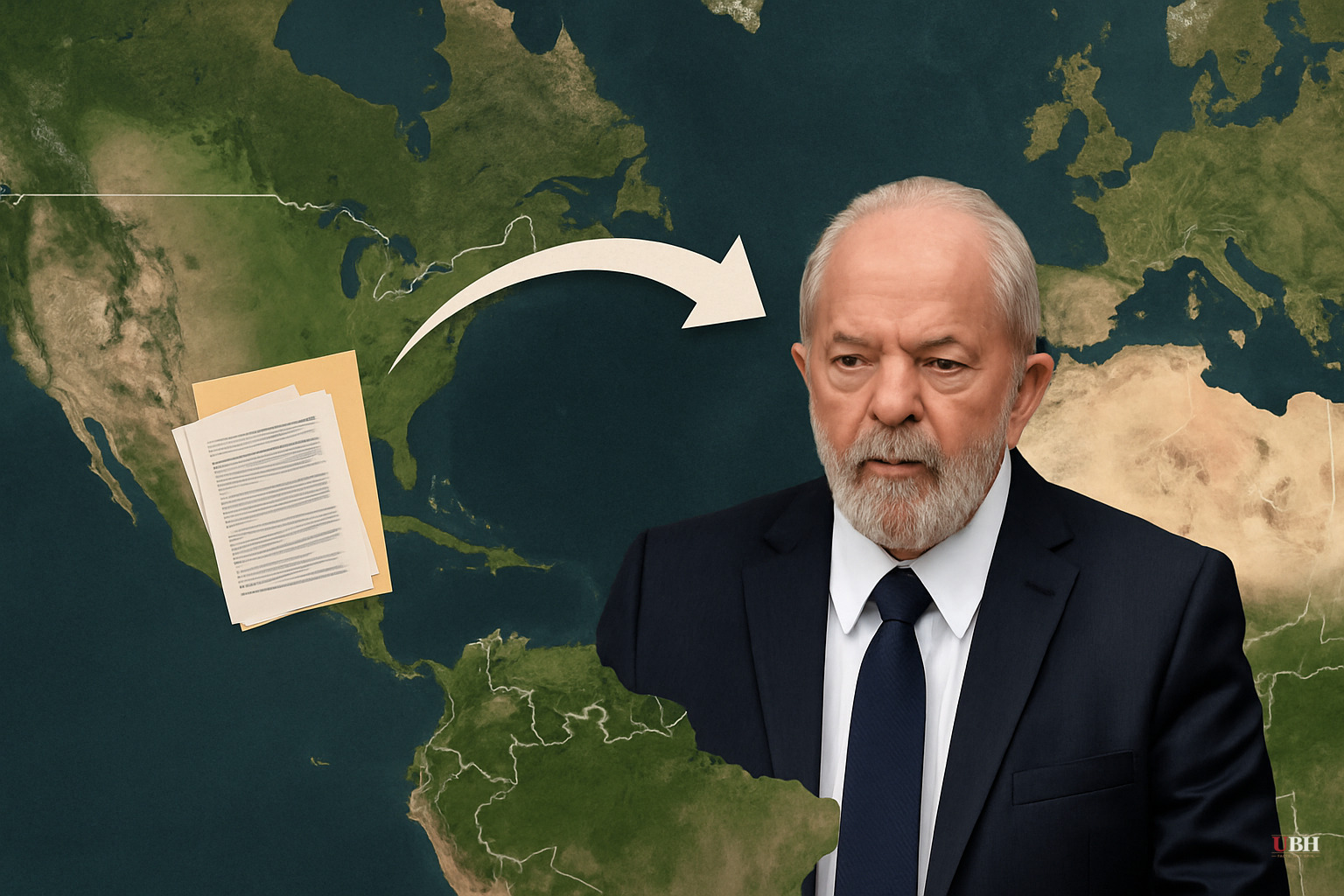
On Wednesday, July 2, Brazilian Senator Flávio Bolsonaro — the son of former President Jair Bolsonaro and Lula's chief rival in October's presidential election — submitted an 86-page document to the U.S. Trade Representative's office, according to the Manila Times and Observador. The document argued that proposed U.S. tariffs of 25% on certain Brazilian goods would politically benefit Lula's government. Bolsonaro's proposed remedy: delay the tariff decision by 180 days, putting it well past the October ballot.
His stated logic was that imposing tariffs before the election would look like Washington trying to tip the outcome.
Lula's Response
Brazilian President Luiz Inácio Lula da Silva did not take the request quietly. In a post on X on Thursday, Lula wrote: "Asking that the brutal rate hike against our country be postponed until after the elections is yet another act of treason against the homeland."
Lula went further, accusing the Bolsonaro family of having lobbied the White House in favor of tariffs against Brazil in the first place. "The most absurd thing is knowing that the origin of all this was motivated by the Bolsonaro family itself, which publicly defended the increase of tariffs against Brazilian products," he wrote, according to Observador.
Lula also criticized what he called the family's "entreguismo" — a Portuguese term connoting surrender of national sovereignty to foreign interests.
Bolsonaro's Defense
Flávio Bolsonaro denies the accusations. He stated last week that he had formally requested to testify at a U.S. hearing specifically to argue against the introduction of the tariffs, according to the Manila Times. His framing is that delaying implementation protects the integrity of Brazil's democratic process by preventing the U.S. government from inadvertently or deliberately handing an issue to either candidate at a politically sensitive moment.
Foreign trade decisions that land in the middle of a close election campaign can be read as interference regardless of intent. Bolsonaro's argument is that a neutral timeline serves both countries' interests.
The Stakes
Polls show a tight race between Lula and Bolsonaro ahead of October's vote, according to the Manila Times. The tariff question is now a live campaign issue, with each side using it to paint the other as either a foreign stooge or a saboteur of national interests.
President Trump's administration is due to decide by July 15 whether to impose the 25% tariffs, according to the Manila Times. That deadline is 12 days from today, July 3. Whatever Trump decides lands in the middle of a Brazilian presidential campaign, with no clean way to avoid it being read through a political lens.
Trump maintains close ties with right-wing leaders across Latin America, including Jair Bolsonaro, who was charged in Brazil with plotting a coup in connection with events surrounding the 2022 election, according to the Manila Times. That relationship gives Lula's political allies ammunition to argue the tariff pressure is coordinated, though no sourced evidence has been presented establishing that Flávio Bolsonaro's USTR filing was coordinated with the White House rather than submitted independently.
What is documented: Flávio Bolsonaro submitted an 86-page filing to the USTR on Wednesday asking for a 180-day delay. Lula accused the Bolsonaro family of having lobbied for the tariffs in the first place. Bolsonaro denies those accusations.
What is alleged but unproven: that the Bolsonaro family coordinated with the Trump administration to use tariff pressure as a campaign tool against Lula. No investigation has been announced, and no verified evidence supporting the coordination claim has been presented in these sources.
Lula is himself an interested party in this dispute. His framing that the delay request constitutes treason is a political characterization, not a legal finding.
The July 15 Decision
The concrete unresolved question is simple: will Trump impose the 25% tariffs on schedule, delay them, or drop them entirely? Each option now carries direct political consequences for a Brazilian election neither Washington officially claims to care about. Whether the Trump administration factors Bolsonaro's filing into its calculus or publicly rejects it to avoid the appearance of interference is something that will be answered within 12 days.
Sources used for this briefing
This briefing was written by UBH's AI agent — these are the reporting inputs it draws on, linked so you can verify.


