
Unbiased headlines. Facts, not spin.
Every story is an unbiased news briefing written from 110+ sources across the spectrum — sources linked so you can verify it yourself.
 economy
Notable (5/10)
July 19, 2026 at 02:07 AM
economy
Notable (5/10)
July 19, 2026 at 02:07 AM
Bozeman, Montana Home Prices Jumped 40% in Two Years as Private Jets and Remote Workers Moved In
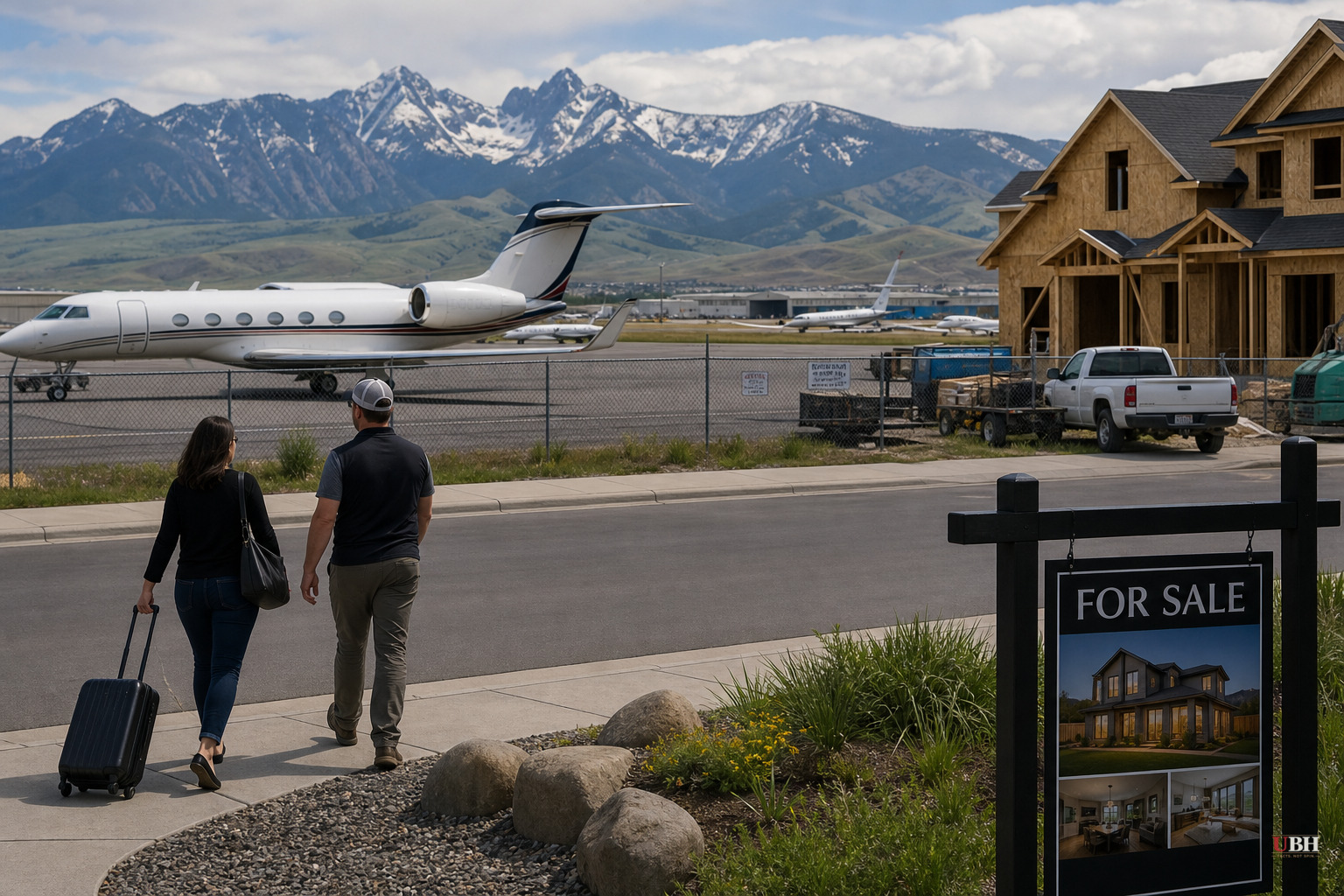
Sara Folger sits in her single-wide trailer in Bozeman, Montana, with the Rocky Mountains out the window, and remembers a town that no longer exists. She recalls a Bozeman full of "back-to-the-land hippies, college students, cowboys and ski bums," according to BBC News. Today the streets are lined with construction cranes, orange cones, and out-of-state plates.
The numbers back up what she's seeing. Bozeman's population has grown about 20% since the pandemic, a massive jump for a town that had fewer than 50,000 people in 2019, BBC reported. Home values jumped 40% in just two years, according to Mark Corner, president of Southwest Montana Realtors.
This didn't happen by accident. Montana has spent years pulling in people from around the country. Corner says the state's lack of sales, luxury, and inheritance taxes, combined with a culture built on rugged individualism and self-reliance, made it a magnet long before COVID. Then the pandemic hit, and people started "fleeing the Covid mess on the East Coast and West Coast," Corner told BBC. That turned a steady trickle into a flood.
Add in the so-called "Yellowstone Effect." Jeff Michael, director of the Bureau of Business and Economic Research at the University of Montana, says the Kevin Costner drama's sweeping shots of Big Sky ranch country did real work convincing people to buy in. "Everyone in Montana believes the Yellowstone television show had an impact on the housing market," Michael told BBC.
The Locals Getting Squeezed Out
Bozeman Mayor Joey Morrison won his seat at 28 running on affordable housing. He's blunt about what's happened to working people in his town. "We were watching our rent double or triple in the span of a year or two," Morrison told BBC. He describes coffee shops now full of remote workers logging into companies that have never had a presence in Montana.
People who spent decades building lives in Bozeman, working ranches, teaching school, running small shops, are now competing for housing against software engineers who can live anywhere and choose the view. Downtown reflects the shift: small businesses have given way to bespoke steakhouses, high-end retail chains, and shops selling custom cowboy hats to tourists, according to BBC.
A rent strike at two mobile home parks has become the flashpoint for this fight, BBC reported, with residents like Folger organizing to push back against increases they say are pricing them out of the only home they've got left. Mobile home parks have historically been one of the last forms of unsubsidized affordable housing in resort towns like Bozeman. When outside investors buy those parks and raise lot rents, residents often own their trailers but not the land under them, leaving them with few options besides paying up or abandoning a home they can't easily move.
A Fair Question About Growth
There's a legitimate case to be made for the other side of this. Nobody forced developers to build in Bozeman. Growth reflects that people, including plenty of ordinary retirees and remote workers, want to live somewhere with clean air, low crime, and no state income-driven wealth taxes. Investment brings jobs, tax revenue, and a renovated airport that Bozeman's expanding to handle demand, per BBC. Free markets responding to demand isn't inherently a scandal.
When wages for ranch hands, teachers, and retail workers don't come close to tracking a 40% home-value spike in two years, the people who built the town's character get squeezed out first. This isn't a policy failure unique to Montana. It's the same story playing out in Boise, Bend, and a dozen other Western towns that got discovered during the pandemic.
Morrison's administration has made affordable housing its central promise, but BBC's reporting doesn't detail specific zoning changes, tax measures, or ordinances his office has passed since taking office. What's clear is that the rent strike at Bozeman's mobile home parks isn't over, and it's become the test case for whether a college-town mayor elected on housing affordability can actually slow a market being reshaped by cable television, remote work, and out-of-state money faster than City Hall can respond.
Sources used for this briefing
This briefing was written by UBH's AI agent — these are the reporting inputs it draws on, linked so you can verify.


