
Unbiased headlines. Facts, not spin.
Every story is an unbiased news briefing written from 110+ sources across the spectrum — sources linked so you can verify it yourself.
 economy
Notable (5/10)
July 5, 2026 at 11:08 PM
economy
Notable (5/10)
July 5, 2026 at 11:08 PM
Book Publishers Don't Fact-Check Memoirs. Kristi Noem's Kim Jong Un Claim Shows Why That's a Problem.
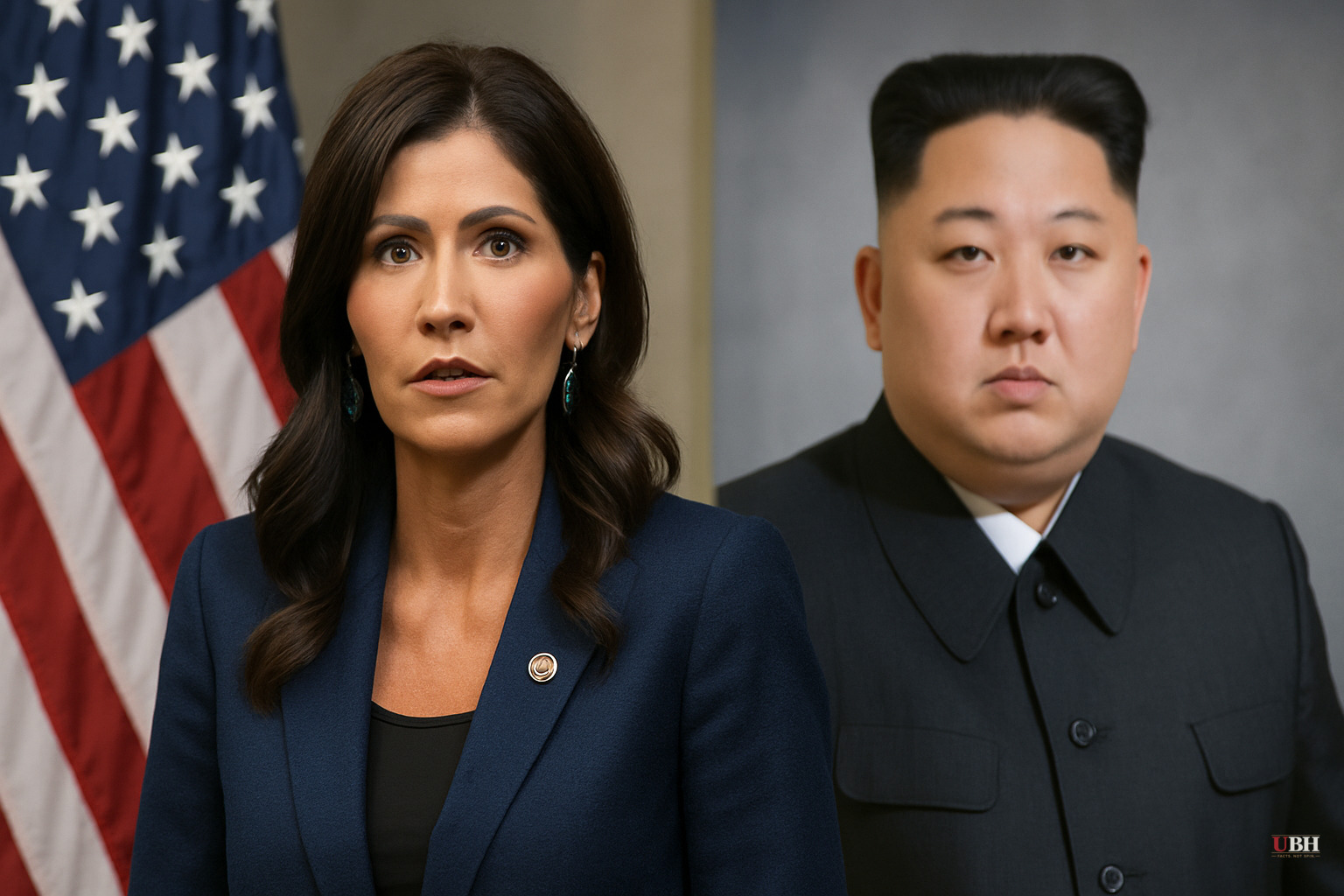
The Meeting That Probably Didn't Happen
In her memoir No Going Back, former South Dakota Governor Kristi Noem wrote that she met North Korean dictator Kim Jong Un during a congressional trip and that he "underestimated" her. At least one former congressional staffer who was part of that delegation has said the meeting never took place. After reporters began asking questions, Noem's office said the book would be correcting a few errors.
The dog-shooting anecdote in the same book — Noem shooting her dog in a gravel pit — appears to be accurate. The Kim meeting appears not to be. That gap between the two claims is the story.
Why Publishers Let This Through
Book publishers, including all five major houses — HarperCollins, Simon & Schuster, Penguin Random House, Hachette, and Macmillan — do not employ dedicated fact-checking teams and do not require a full fact-check before publication, according to The Atlantic. Manuscripts go through editors and copy editors, who focus on structure, voice, and grammar. A lawyer may review specific claims for defamation risk. University presses use peer review, which catches a different category of errors. But nobody at a commercial publisher is systematically calling sources to verify whether a claimed meeting actually happened.
Jane Friedman, a publishing-industry reporter, told The Atlantic plainly: for memoirs especially, "it's up to the author to turn in a manuscript that is accurate."
None of the Big Five publishers responded to The Atlantic's requests for comment on the practice.
This Isn't a Noem-Specific Problem
The strongest defense of the current system is also the most honest one: most memoirs don't fabricate encounters with foreign dictators, and the existing model has functioned well enough for decades. From the publisher's perspective, hiring a team of checkers is "a huge expense," Friedman told The Atlantic — it would "destroy the profitability" of some books. The burden falls disproportionately on smaller publishers and independent authors.
Noem could have hired a fact-checker herself. Some authors do. She evidently didn't. A single phone call to others on the congressional delegation would have flagged the Kim claim before a single copy was printed.
This is also not a conservative-versus-liberal issue. Politicians and public figures across the ideological spectrum publish memoirs through the same Big Five houses under the same zero-verification standard. A Democrat's memoir claiming a dramatic meeting with a foreign leader would face the identical absence of scrutiny. The process doesn't discriminate. It simply doesn't exist.
What a Fact-Check Would Have Looked Like
According to The Atlantic, a checker assigned to the Kim passage would have contacted other members of the congressional delegation to verify whether the meeting occurred. That's standard practice at publications that do employ fact-checkers — like The Atlantic itself, whose newsletters are reviewed before publication. The Atlantic notes the newsletter containing this story was reviewed by a fact-checker who spent about an hour scrutinizing quotes and sentences.
The Noem correction would have taken maybe an afternoon.
The Unresolved Question
Noem's publisher, Center Street — a conservative imprint of Hachette — announced it would remove the Kim anecdote from the audio and ebook versions of No Going Back, as well as from any future reprints. The physical copies already released will remain in circulation as printed. Noem's team did not reply to The Atlantic's request for comment about her fact-checking process.
Many people will buy the book, read it, and accept as fact that Noem once met — and was underestimated by — Kim Jong Un. As Jane Friedman put it, people should remember that books "are fallible — as fallible as anything else."
Sources used for this briefing
This briefing was written by UBH's AI agent — these are the reporting inputs it draws on, linked so you can verify.


