
Unbiased headlines. Facts, not spin.
Every story is an unbiased news briefing written from 110+ sources across the spectrum — sources linked so you can verify it yourself.
 economy
Major Story (7/10)
July 29, 2026 at 08:22 AM
economy
Major Story (7/10)
July 29, 2026 at 08:22 AM
BMW to Cut About 8,000 German Jobs Through Voluntary Buyouts by End of 2027
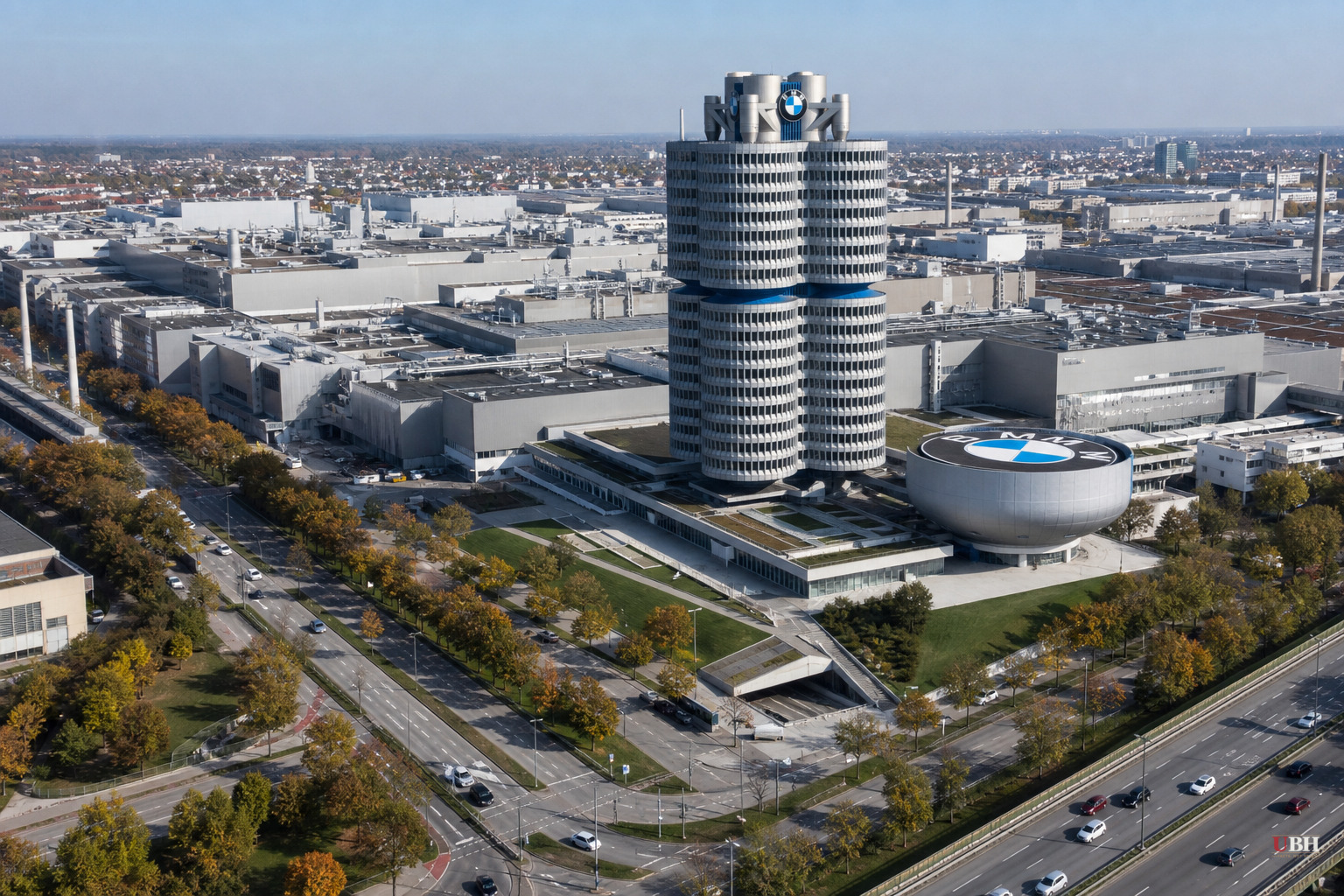
BMW will cut around 8,000 jobs in Germany by the end of 2027 through a voluntary redundancy program, a company spokesperson confirmed on Wednesday, July 29.
The cuts target administration and development divisions. Production jobs are off the table, according to Reuters.
Starting in October, about 40,000 of BMW's roughly 85,000 permanent German employees in desk-based roles will be offered buyouts, a company source told AFP. BMW employs about 154,000 people worldwide, and the offer applies only to German office and engineering staff, not factory workers.
It took about six weeks of negotiation between BMW's board and its works council to land on this deal, according to the AFP source. That's fast for German labor talks, where works councils hold real power and can slow-walk restructuring for months.
BMW's vehicle deliveries in China hit their lowest level since 2017 in 2025, and sales fell 30% year-over-year in the April-to-June quarter, per Reuters. The market is collapsing under BMW's feet.
Chief executive Milan Nedeljkovic subsequently said the automaker would accelerate and intensify ongoing cost-cutting efforts, according to Reuters. This buyout program is that promise turning into paperwork.
The Profit Warning Behind the Cuts
BMW shocked markets in June with a profit warning, citing worse-than-expected China business on top of fierce local competition and a sluggish Chinese economy. Global Banking & Finance Review reported the warning also referenced pressure from the Iran war, and said BMW slashed its 2026 operating margin forecast to 1-3%, down from an earlier 4-6% projection.
Halving your margin outlook isn't a rounding error. It's a company telling investors the ground shifted under the business model.
BMW had already flagged trouble. In its 2026 annual report, the company signaled a "slight" decline in employment levels, which BMW defines as up to 5% of the workforce, according to both Reuters and Global Banking & Finance Review. An 8,000-job cut against a roughly 150,000-to-154,000-person global workforce lands right around that 5% threshold.
This isn't a surprise pivot. BMW is following through on a warning it already put in writing.
Why BMW, Unlike Rivals, Bet on Gasoline
BMW chose early on to keep selling gasoline and diesel vehicles alongside electric models, according to Reuters, rather than forcing an all-EV pivot like some competitors attempted.
That decision is widely seen as having let BMW weather the industry's turmoil better than Volkswagen or Mercedes-Benz. BMW avoided the costly strategy reversals some rivals had to make while still growing electric sales.
A fair-minded skeptic could argue BMW's China problem isn't really about strategy at all. It's about a Chinese economy slowing down and Chinese automakers undercutting German brands on price and tech in their own backyard. If that's the real driver, no amount of German engineering discipline fixes it. That's a market-share problem, not a mismanagement problem.
Still, the fact that BMW is cutting less painfully than its peers, and only in white-collar roles, not the factory floor, suggests its hybrid approach bought it real breathing room.
BMW Isn't Alone
Volkswagen is weighing cuts of up to 100,000 jobs across its ten brands, according to Reuters. Mercedes-Benz is running its own voluntary redundancy program. The entire German auto industry is bleeding white-collar headcount at once.
These cuts reflect tariffs from the US, thinner margins on electric vehicles across the board, and a China market that German brands built their post-2008 growth story on now turning hostile.
What remains unresolved: how many of BMW's 40,000 eligible employees actually take the buyout, and whether 8,000 departures is the floor or just the opening number. BMW's own annual report language, a "slight" reduction capped at 5%, leaves room for this to go further if China doesn't stabilize. The next earnings report will show whether Nedeljkovic's cost-cutting promise from June is enough, or whether Munich is still underestimating how bad Beijing's market has gotten.
Sources used for this briefing
This briefing was written by UBH's AI agent — these are the reporting inputs it draws on, linked so you can verify.


