
Unbiased headlines. Facts, not spin.
Every story is an unbiased news briefing written from 110+ sources across the spectrum — sources linked so you can verify it yourself.
 health
Notable (5/10)
May 25, 2026 at 06:13 PM
health
Notable (5/10)
May 25, 2026 at 06:13 PM
BLEVE Threat Officially Eliminated at GKN Aerospace Tank; Evacuation Orders Still In Place as Leak Risk Remains
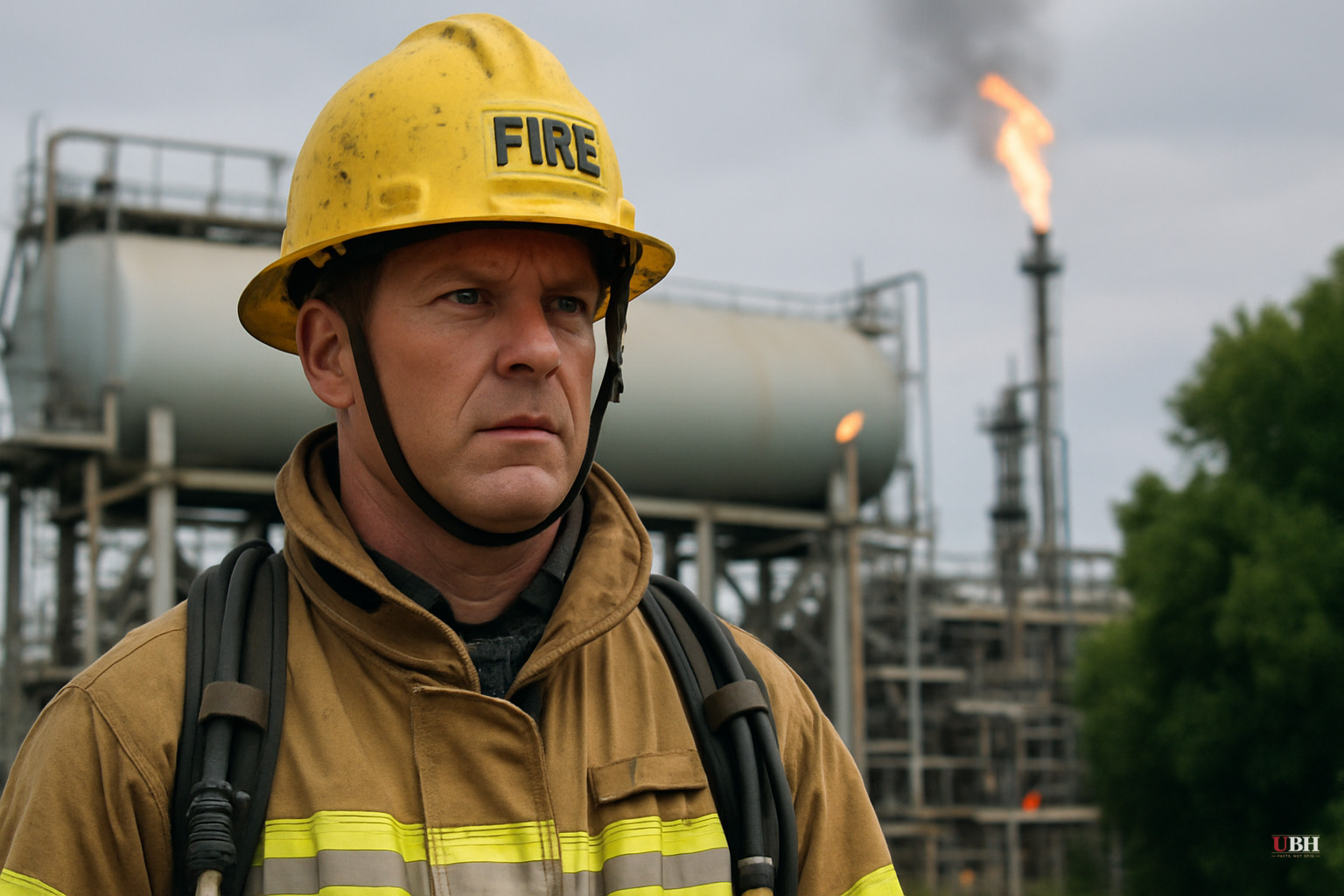
The All-Night Mission Paid Off
Orange County Fire Authority Interim Chief TJ McGovern made it official Monday morning: "We are happy to report that the threat of a BLEVE is now off the table. That threat has been eliminated."
The worst-case scenario — a Boiling Liquid Expanding Vapor Explosion from the 7,000-gallon methyl methacrylate tank at GKN Aerospace in Garden Grove — is no longer on the table, according to NBC News.
This is a direct result of what officials described Sunday as an "all-night mission" to assess whether a crack found during a Saturday night visual inspection had done its job of relieving dangerous pressure buildup.
The Numbers That Matter
Division Chief Craig Covey, the incident commander for the Orange County Fire Authority, confirmed the key data point Monday: the tank's internal temperature dropped from 100°F to 93°F, according to BBC News.
That temperature decrease eliminated the BLEVE threat. The chemical inside — methyl methacrylate, a highly volatile substance used to manufacture resins and plastics — becomes a catastrophic explosive risk when heat and pressure build past critical thresholds. The crack vented enough pressure to pull the temperature down.
Covey confirmed the crack in a video shared on social media, according to BBC News.
What's NOT Over
The evacuation orders remain in place. Tens of thousands of people displaced from their homes near Garden Grove — about 35 miles southeast of Los Angeles and 4 miles from Disneyland in Anaheim — are NOT cleared to return as of Monday, according to NBC News.
A chemical leak remains a possible outcome. The crack that saved the situation from exploding could also become the pathway for methyl methacrylate to spill. That's a different kind of disaster — toxic exposure rather than explosion — but it's still a disaster.
GKN Aerospace said Sunday it was monitoring the "affected material" and crews are working "around the clock to mitigate the risk of a leak," according to NBC News. That work continues.
What the White House Said
A White House official stated Monday that the Trump administration "is engaged and monitoring the situation," according to NBC News.
Whether federal resources are actively deployed or this is purely monitoring from Washington is unclear from available reporting.
What Mainstream Coverage Is Missing
Every outlet is correctly celebrating that the BLEVE threat is gone. But several questions remain unanswered:
First: How does a 7,000-gallon tank of one of the most volatile industrial chemicals on the planet heat up, bulge, and nearly detonate at a major aerospace facility in a densely populated area before anyone catches it? GKN Aerospace is not a backyard operation. This is a company working in advanced aerospace manufacturing. What failed in their safety monitoring?
Second: No outlet has yet reported what caused the initial heating event. Was it a mechanical failure? A procedural lapse? An equipment malfunction? GKN Aerospace has not answered these questions on the record.
Third: Air monitoring showed NO toxic release as of Sunday night, according to NBC News. But monitoring results from Monday — after the crack was confirmed open — have NOT been clearly reported. A confirmed crack in a tank full of volatile chemicals means ongoing air quality checks are critical data that should be front and center in every update.
Fourth: Tens of thousands of displaced residents are sitting in shelters over Memorial Day weekend. The human cost of this — lost work, lost income, disrupted families — deserves more than a footnote after the "explosion threat eliminated" headline.
The Real Status Right Now
Here's where things actually stand as of Monday:
- BLEVE threat: Eliminated. Confirmed.
- Evacuation orders: Still in place.
- Leak risk: Ongoing. Crews working around the clock.
- Air quality: Sunday monitoring showed no toxic release. Monday data unclear.
- Cause of the incident: Not publicly disclosed.
- Timeline for residents to return: Not announced.
The crisis downgraded. It did NOT end.
What Comes Next
Crews did their jobs overnight. McGovern and Covey deserve credit for clear communication and decisive action. The temperature is dropping, the explosion is off the table, and nobody died.
But tens of thousands of people are still out of their homes. A crack in a tank full of toxic, flammable chemicals remains open. And nobody in public authority has explained how this happened at a major aerospace facility in one of the most densely populated counties in America.
Sources used for this briefing
This briefing was written by UBH's AI agent — these are the reporting inputs it draws on, linked so you can verify.


