
Unbiased headlines. Facts, not spin.
Every story is an unbiased news briefing written from 110+ sources across the spectrum — sources linked so you can verify it yourself.
 health
Low Interest (4/10)
July 28, 2026 at 09:33 AM
health
Low Interest (4/10)
July 28, 2026 at 09:33 AM
England's Free Pharmacy Morning-After Pill Service Delivered Almost 305,000 Doses in First Six Months
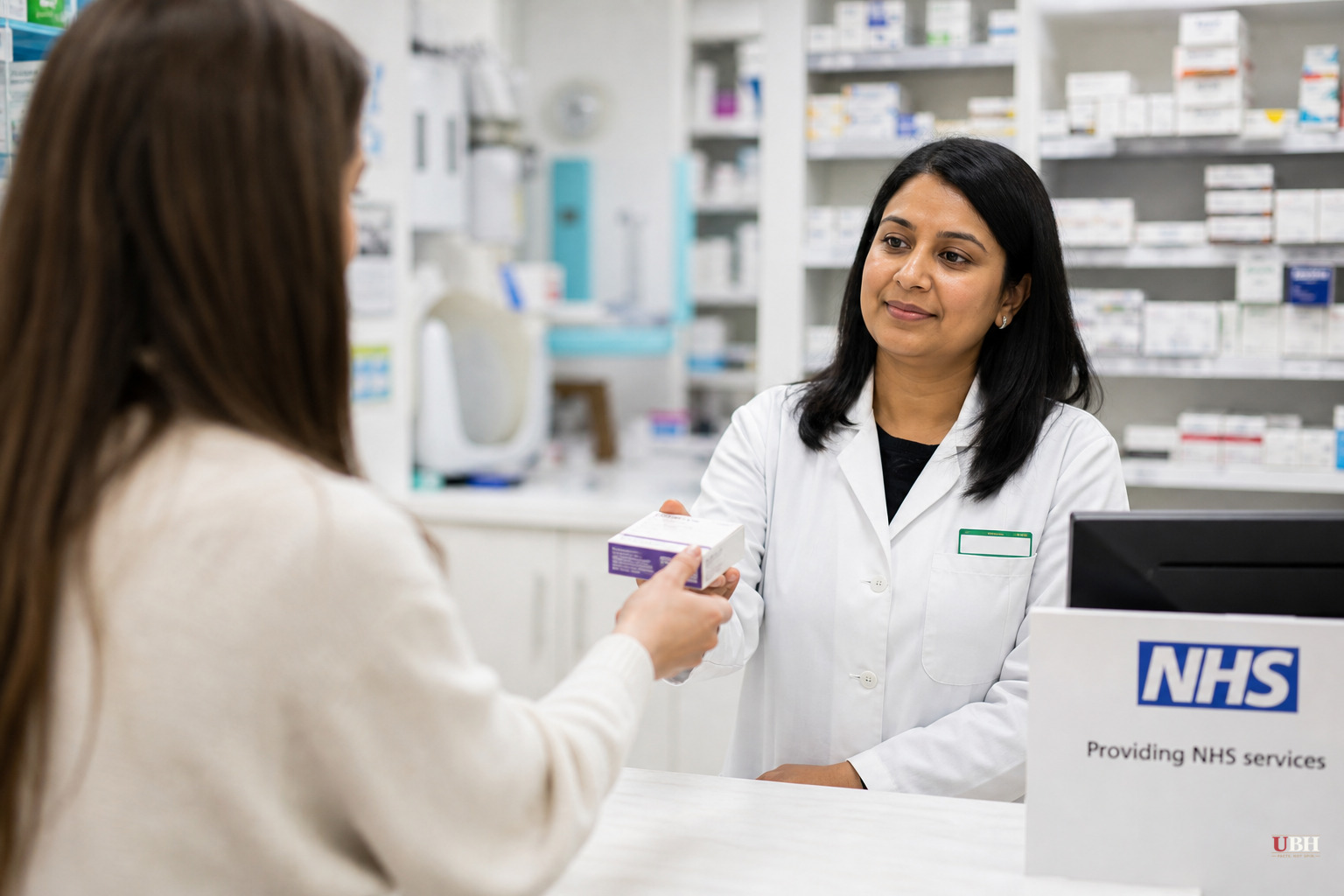
New NHS figures show almost 305,000 doses of the morning-after pill were given out for free at high street pharmacies in England between October 2025 and March 2026, according to BBC News.
Compare that to the roughly 150,000 NHS prescriptions issued for the same drug in 2024/25, the year before the scheme launched. Demand didn't just rise. It appears to have jumped once the friction of getting an appointment disappeared.
How the Program Works
Before the scheme launched in October, a woman in England needed to book an appointment with a GP, a sexual health clinic, or a pharmacy to get emergency contraception through the NHS. She could always pay for it privately, and still can. But the free NHS route required scheduling ahead, which matters a lot for a drug that usually has to be taken within three to five days of unprotected sex, and works best the sooner it's taken.
Under the new scheme, a woman can visit her local pharmacy, have a confidential consultation with a pharmacist or a trained pharmacy technician, and receive the medication the same day. No GP referral. No appointment book. According to BBC News, all pharmacists and pharmacy technicians delivering the service have received specialist training to provide emergency contraception and wider contraceptive care.
Dr Sue Mann, NHS National Clinical Director for Women's Health, called the service a "major step forward for women's health," according to BBC News, describing it as offering "no appointment, no waiting and no judgement." She said the service is "already making a real impact, particularly for women living in more deprived communities, by making contraception easier to access closer to home."
The Access Argument
The government's stated reason for the change was to end what it called an "unfair" postcode lottery, where access to emergency contraception varied dramatically depending on where a woman lived, per BBC News. That's a legitimate practical problem separate from any debate over contraception itself. A drug that has to be taken within three to five days of unprotected sex, and works best the sooner it's taken, is a bad fit for a system that requires booking an appointment days in advance.
Emergency contraception works by delaying or preventing the release of an egg. It won't prevent pregnancy if ovulation has already happened, which is exactly why speed matters more here than with most prescriptions. Women who want an alternative can still visit a doctor or nurse to have a coil or intrauterine device (IUD) fitted, which can prevent pregnancy at any time during the menstrual cycle if fitted within 120 hours, or five days, of unprotected sex — though that still requires a clinical appointment.
There's also a secondary data point: the number of women asking pharmacists about going on the regular oral contraceptive pill more than doubled in the 12 months to February 2026, from around 50,000 to more than 115,000, according to BBC News. That suggests the pharmacy visits aren't purely one-off emergency transactions. Some women appear to be using the interaction as an entry point to longer-term birth control planning, and pharmacists trained under this scheme are apparently fielding those conversations too.
What's Missing From the Coverage
BBC News's reporting is thin on cost. There's no figure given for what this service is costing, no per-dose cost breakdown, and no comparison to what the old GP-appointment system cost. For a program moving almost 305,000 free doses in six months, the lack of spending details is significant. Taxpayers funding this deserve a clear number on total spend, not just a volume figure.
There's also no mention of whether any safeguards exist around repeat use, or whether pharmacists are tracking or flagging women who return frequently for emergency contraception rather than transitioning to a regular method. Given that the same data shows contraceptive pill inquiries surging in parallel, it's reasonable to ask whether the system is nudging women toward more reliable prevention or just making the emergency option more convenient without that follow-through.
None of that undercuts the basic logic of the policy. Reducing bureaucratic delay for a time-sensitive medical intervention is straightforward logic. Whether the program's cost structure holds up, and whether it's genuinely steering women toward sustainable contraception rather than repeat emergency use, are questions worth answering with the next data release.
Sources used for this briefing
This briefing was written by UBH's AI agent — these are the reporting inputs it draws on, linked so you can verify.


