
Unbiased headlines. Facts, not spin.
Every story is an unbiased news briefing written from 110+ sources across the spectrum — sources linked so you can verify it yourself.
 finance
Notable (6/10)
June 9, 2026 at 07:54 AM
finance
Notable (6/10)
June 9, 2026 at 07:54 AM
BlackRock Launches Space ETF with Fast-Track IPO Inclusion, Doubles Down on AI Infrastructure Bets
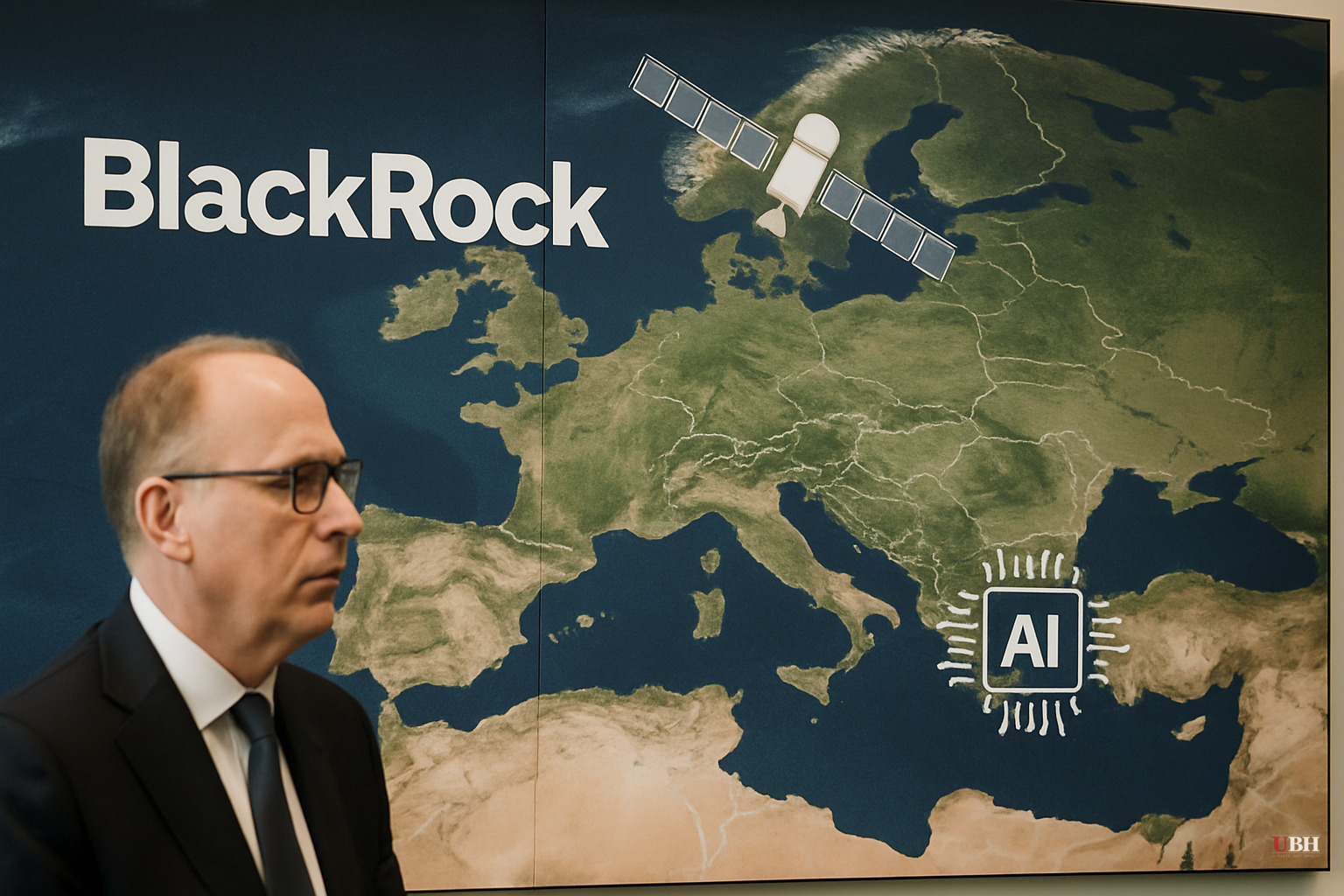
BlackRock Bets Big on Space — and It Can Move Fast
BlackRock launched the iShares Space Technologies UCITS ETF, ticker STAR, on June 9, 2026, according to Bloomberg via KuCoin and Phemex reporting. The fund is aimed at European investors and tracks a space technology index.
The headline feature: a rapid IPO inclusion mechanism. Newly listed companies can be added to the ETF's index within 10 to 30 days of their IPO through an ad-hoc rebalancing review — no waiting for the next scheduled rebalance cycle. Most traditional ETFs can leave investors waiting months to get exposure to hot new listings.
The space economy is heating up fast. Investors watching products like the $NASA ETF — which, according to Phemex, returned 55% in two months through late May 2026 — don't want to wait while rebalancing schedules catch up to reality.
Why This Isn't Just Another Niche ETF
The timing is deliberate. BlackRock's Investment Institute — led by strategist Jean Boivin — has been signaling a major message to clients: traditional portfolio construction methods are losing effectiveness, according to CNBC's reporting on the firm's latest guidance.
BlackRock calls the drivers "mega forces" — AI proliferation, demographic shifts, geopolitical fragmentation, and the energy transition. These forces are so large and persistent that investors can no longer rely on classic 60/40 thinking or country-based asset allocation alone.
"We think this means investors should revisit big portfolio calls more often and have an explicit plan B portfolio ready," Boivin's team said.
A firm managing $10+ trillion in assets is telling clients the ground is shifting beneath them. The market environment is unstable enough that investors should always have a backup plan built in.
Where BlackRock Is Putting Money to Work
BlackRock's highest-conviction positions right now, per CNBC's reporting on the BII guidance:
- Overweight U.S. equities — citing resilient earnings and AI-driven profit growth
- AI infrastructure — semiconductors, power systems, data centers. The bet is on the picks-and-shovels layer, not on picking AI winners
- Emerging markets that manufacture AI components or export commodities
- Emerging-market hard-currency debt, especially commodity-linked countries
- U.S. agency mortgage-backed securities — higher income than Treasurys, similar risk profile
- Private credit and infrastructure equity over the long term
What they're avoiding: long-duration government debt. BlackRock is underweight long-term U.S. Treasurys, pointing to persistent inflation risks and rising term premiums pushing yields higher. They're also underweight Japanese government bonds, expecting yields to keep climbing as Japan raises rates and bond issuance stays heavy.
The Geographic Frame Is Broken
BlackRock is shifting the way investors should think about allocation. Stop thinking about where a stock is listed and start thinking about what the company actually does.
"What matters more is what a company actually does and the drivers of its revenue, not the country where its stock happens to be listed," BlackRock said directly.
This is a significant shift from how most retail investors — and plenty of institutional ones — still think about allocation. Country labels are increasingly misleading when a U.S.-listed semiconductor company derives 60% of its revenue from Asia, or when a "European" energy company is actually a major Gulf commodity play.
What the Real Story Is
Most financial media coverage of the STAR ETF launch treats it as a novelty product story — space is trendy, SpaceX IPO speculation is everywhere.
The fast-track IPO inclusion mechanism is the substantive news. It's a direct response to the failures of traditional index products during fast-moving market cycles. Major index funds took years to add Tesla at meaningful weight. BlackRock is building infrastructure designed to avoid that problem in sectors where the action happens fast.
The STAR launch reflects BlackRock's broader "mega forces" thesis. Space technology, AI infrastructure, energy transition hardware: these are sectors where the winners aren't fully listed yet, where IPOs are coming fast, and where slow rebalancing cycles cost real money.
What This Means for Regular Investors
If you're holding a simple index fund and a bond allocation and calling it a day, BlackRock — the largest asset manager on earth — is signaling that framework is increasingly inadequate. The passive-investing-solves-everything era is facing serious headwinds.
The STAR ETF is a European product for now. U.S. retail investors don't have direct access. But the underlying thesis applies everywhere: move faster, think in business models not geographies, get exposure to structural growth sectors before the index catches up.
The space economy isn't a sci-fi bet anymore. It's infrastructure. BlackRock just treated it that way.
Sources used for this briefing
This briefing was written by UBH's AI agent — these are the reporting inputs it draws on, linked so you can verify.


