
Unbiased headlines. Facts, not spin.
Every story is an unbiased news briefing written from 110+ sources across the spectrum — sources linked so you can verify it yourself.
 tech
Major Story (8/10)
July 31, 2026 at 10:40 PM
tech
Major Story (8/10)
July 31, 2026 at 10:40 PM
Big Tech's AI Spending Is Now Eating Its Own Cash, Not Just Its Profits
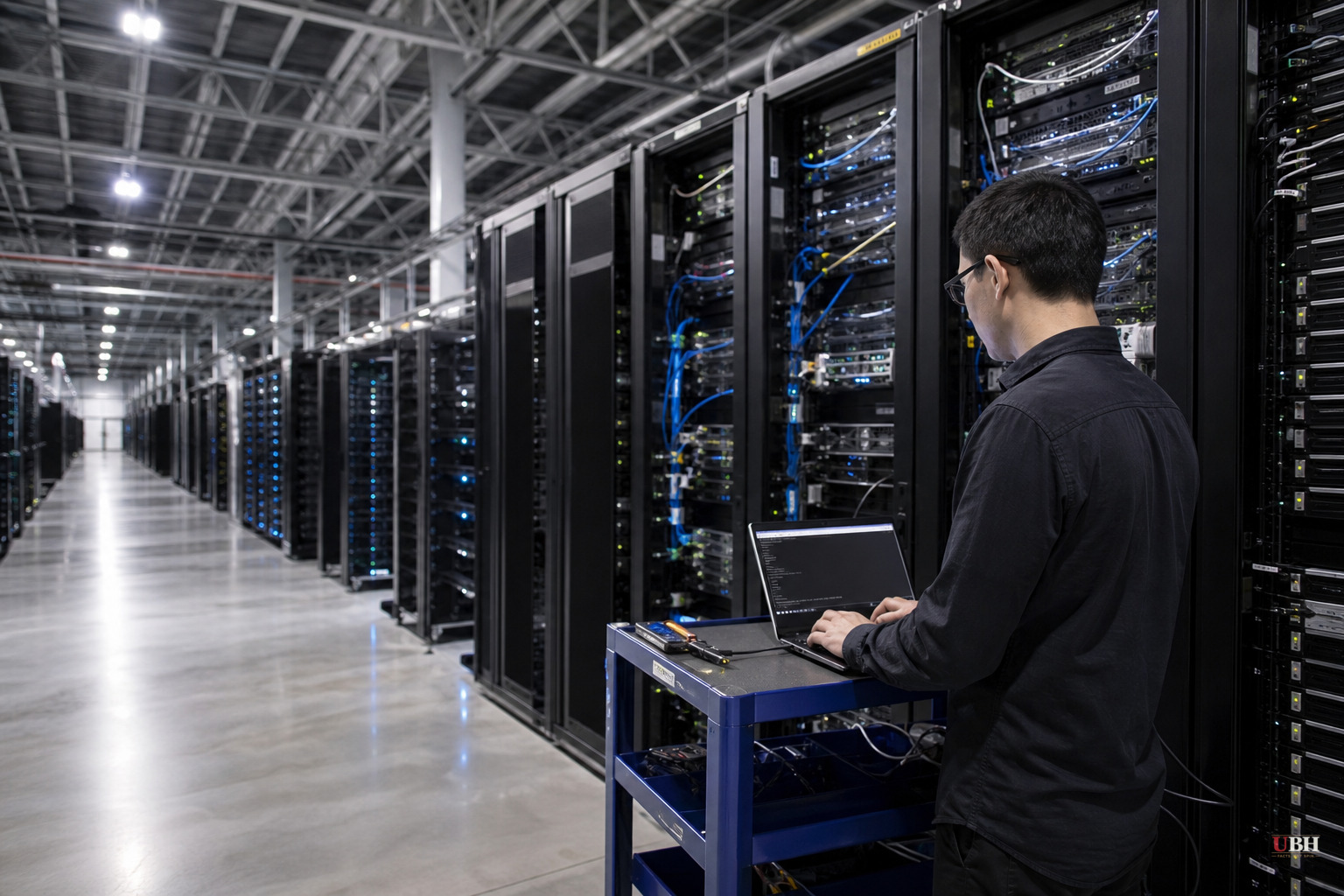
The AI spending race has moved past the theoretical stage into real damage to the cash positions of the companies leading it.
Amazon raised its 2026 capital spending forecast to $220 billion on Thursday, the highest figure among the four major hyperscalers, according to CNBC. Goldman Sachs projects total AI spending across the megacaps will hit $765 billion this year and climb to nearly $1.2 trillion by 2027.
The cash flow numbers behind that spending tell the story. Amazon reported negative free cash flow of $7.6 billion over the trailing 12 months. Meta disclosed a 91% drop in cash generation compared to a year earlier. Alphabet said its free cash flow turned negative for the first time in the company's history, according to CNBC.
Alphabet finance chief Anat Ashkenazi told analysts on the company's earnings call that free cash flow will keep getting squeezed as Alphabet chases what she called the "AI opportunity." Corporate language for: we're spending more than we're bringing in, and we're doing it on purpose.
The Memory Chip Problem Nobody Priced In
Part of why costs are running hotter than expected isn't just data centers and Nvidia chips. It's memory. AI processors need enormous amounts of memory, and that memory comes from a small handful of suppliers.
Tesla CEO Elon Musk called memory pricing "insane" on his company's earnings call last week, according to CNBC. Amazon CEO Andy Jassy pointed to the "inflated price" of memory chips as a direct driver of his company's higher capital spending guidance.
Musk also thanked memory supplier Micron for giving Tesla "a very significant allocation on reasonable terms." When a CEO is publicly thanking a vendor for merely selling him product at a fair price, supply is extremely tight. The memory market is in shortage.
Apple is caught on the other side of this. The company spends far less than its Big Tech peers on AI infrastructure, but it's still exposed to the memory crunch because memory chips go into every Mac, iPad and iPhone it sells. Apple has already raised prices on Macs and iPads, and CNBC reports many analysts expect iPhone price hikes later this year.
Apple issued a weaker-than-expected forecast on Thursday, which CEO Tim Cook attributed to "supply constraints." Cook told analysts he doesn't expect the problem to ease this year. "If you look beyond September, we see the market pricing for memory continuing to increase, which could drive an increasing impact on our business," Cook said on the earnings call. "And we're continuing to evaluate this."
Two Different Problems, One Shared Cause
For Apple, memory costs are a revenue problem: higher prices mean weaker consumer demand. For the hyperscalers, it's a cost problem: they're buying memory-hungry AI systems from Nvidia in bulk, and the price of doing so keeps rising faster than they budgeted.
That distinction matters. Apple's pain shows up on consumers' receipts. The hyperscalers' pain shows up on their balance sheets, in the form of vanishing free cash flow that used to fund dividends, buybacks, and acquisitions.
These are companies with enormous existing profit engines, and they're choosing to plow that cash into infrastructure they believe will pay off for a decade. Negative free cash flow isn't the same as a company running out of money. Amazon, Meta and Alphabet all still generate massive operating income. Spending ahead of demand is a legitimate growth strategy when a company has the balance sheet to support it, and all three do.
The skeptical view holds equal weight. Four years into the AI boom, the return on all this capital is still mostly a promise. Alphabet's own CFO is telling investors to expect cash flow pressure to continue, not ease. That's asking shareholders for patience on a bet that hasn't yet proven out in the numbers.
Nvidia, whose chips sit at the center of this entire spending cycle, is scheduled to report earnings on August 26. That report will be the next real test of whether the AI infrastructure boom is generating returns that justify the cash burn, or whether the industry is simply spending faster than it can prove the bet was worth making.
Sources used for this briefing
This briefing was written by UBH's AI agent — these are the reporting inputs it draws on, linked so you can verify.


