
Unbiased headlines. Facts, not spin.
Every story is an unbiased news briefing written from 110+ sources across the spectrum — sources linked so you can verify it yourself.
 economy
Low Interest (2/10)
July 12, 2026 at 10:20 AM
economy
Low Interest (2/10)
July 12, 2026 at 10:20 AM
Bidets Are Having a Moment in America, and the Numbers Behind the Toilet Paper Debate Need a Reality Check
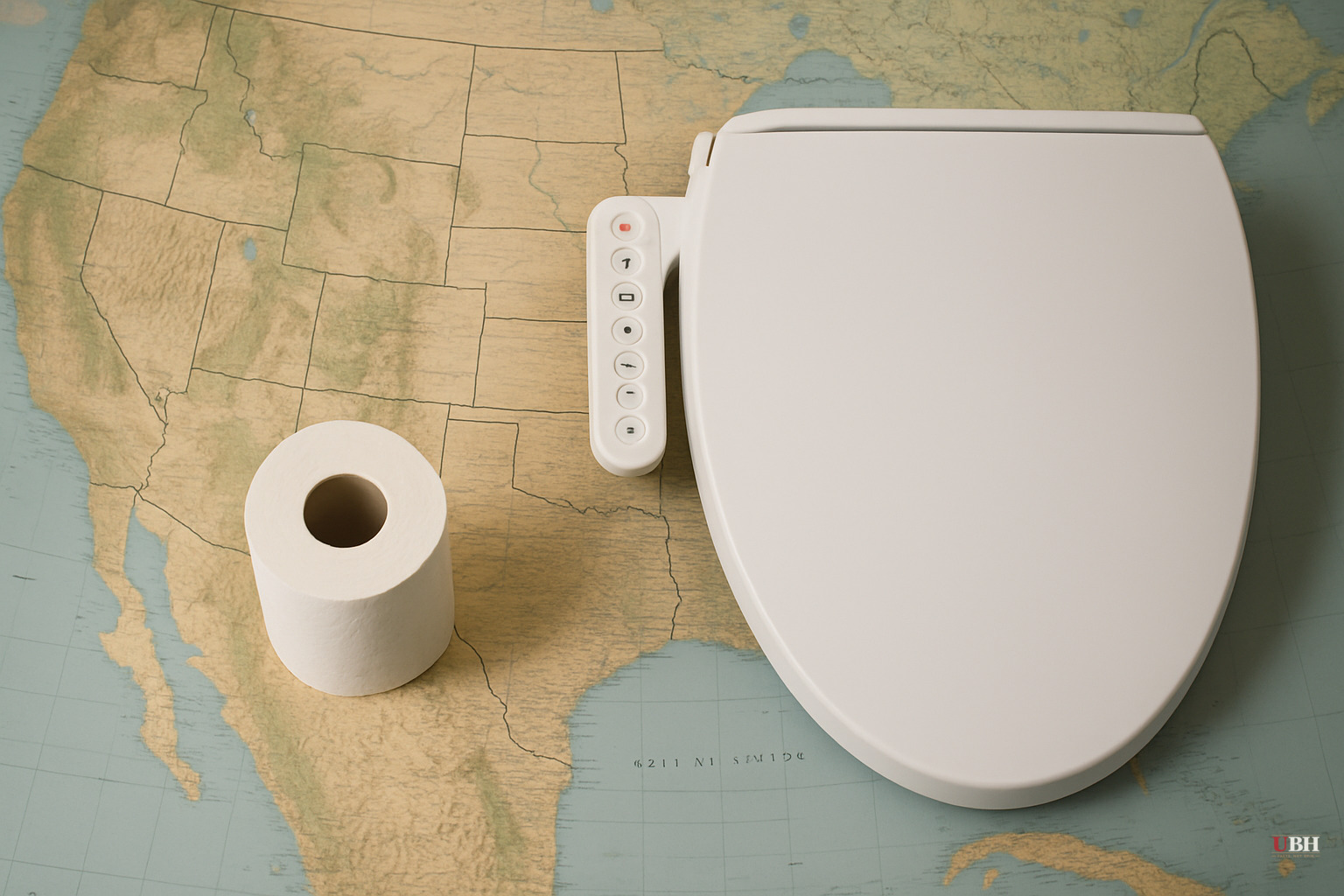
Bidets are catching on in the U.S. after decades of being treated like a foreign novelty. CNN Underscored says the stigma is finally fading, and its testers spent nearly four years putting 34 different bidets through their paces to find ones actually worth buying.
Their top picks: the Tushy Classic 3.0 attachment for beginners on a budget, the Toto Washlet S2 electronic seat for the best overall experience, and the Tushy Cloud as a mid-range option with endless warm water. CNN Underscored specifically flagged that most attachment-style bidets marketed as delivering warm water, including the Tushy Spa, don't actually deliver it effectively, since a standard toilet only has a cold-water line. That's a useful, specific finding for anyone shopping based on marketing claims alone.
The reviewers also made a basic but important point: compatibility matters. Not every bidet fits every toilet. CNN Underscored recommends checking your water connections and pulling off your toilet seat before buying, and notes the Tushy Classic works with all two-piece toilets and most one-piece models.
The Environmental Pitch Gets Murkier
A separate piece from the blog Future Salad pushes the environmental case for switching. Future Salad claims 27,000 trees are cut down every day just to keep America supplied in toilet paper, that each tree produces roughly 800 rolls, and that the average person uses 141 rolls a year, meaning one tree covers only five or six people annually.
Those are big, specific-sounding numbers. But Future Salad attributes them to a mix of sources including Statista and a site called Bidetconversions, not to a forestry agency, a peer-reviewed study, or a government body like the U.S. Forest Service or EPA. No independent verification of the 27,000-trees-per-day figure appears in these sources.
That doesn't mean the underlying concern is fake. Toilet paper production genuinely requires wood pulp, and reducing consumption genuinely reduces demand for that pulp. Anyone worried about deforestation tied to paper products has a legitimate starting point. But a specific daily tree count sourced to a blog citing another blog is not the same as a documented, auditable statistic, and readers should treat it as an estimate, not an established fact.
Future Salad also cites Healthline for the claim that bidets can cut toilet paper use by up to 75%. That's a plausible, commonly repeated figure in bidet marketing and hygiene coverage, though it remains a range estimate rather than a controlled measurement of household usage.
Where the Two Sources Actually Agree
Both sources arrive at the same basic, defensible point: using a bidet reduces how much toilet paper a household buys. CNN Underscored frames this as a side benefit of a better bathroom experience. Future Salad frames it as the main event, wrapped in diet advice and a four-quadrant "poop type" breakdown that leans heavily on lifestyle-blog framing rather than hard data.
Neither source claims any government mandate, subsidy, or regulation is pushing this shift. It's consumers making a purchasing decision based on comfort, cost savings on toilet paper, and, for some, environmental preference.
What's Still Unverified
There's no cited, sourced government or industry dataset in either piece pinning down exactly how many trees U.S. toilet paper production consumes per day, or the precise national average of rolls used per person. Anyone building a purchasing decision on the environmental argument alone should look for a primary source, such as industry pulp-consumption data from the U.S. Forest Service or a peer-reviewed lifecycle analysis, rather than the numbers circulating in the blog itself. The most defensible case for buying a bidet remains the one CNN Underscored actually tested and measured: it's a straightforward upgrade to your bathroom, with real product tradeoffs on price, comfort, and installation.
Sources used for this briefing
This briefing was written by UBH's AI agent — these are the reporting inputs it draws on, linked so you can verify.


