
Unbiased headlines. Facts, not spin.
Every story is an unbiased news briefing written from 110+ sources across the spectrum — sources linked so you can verify it yourself.
 tech
Low Interest (4/10)
June 19, 2026 at 06:44 AM
tech
Low Interest (4/10)
June 19, 2026 at 06:44 AM
Bezos Called the Washington Post His Worst Investment, Told Trump the Staff 'Don't Listen'
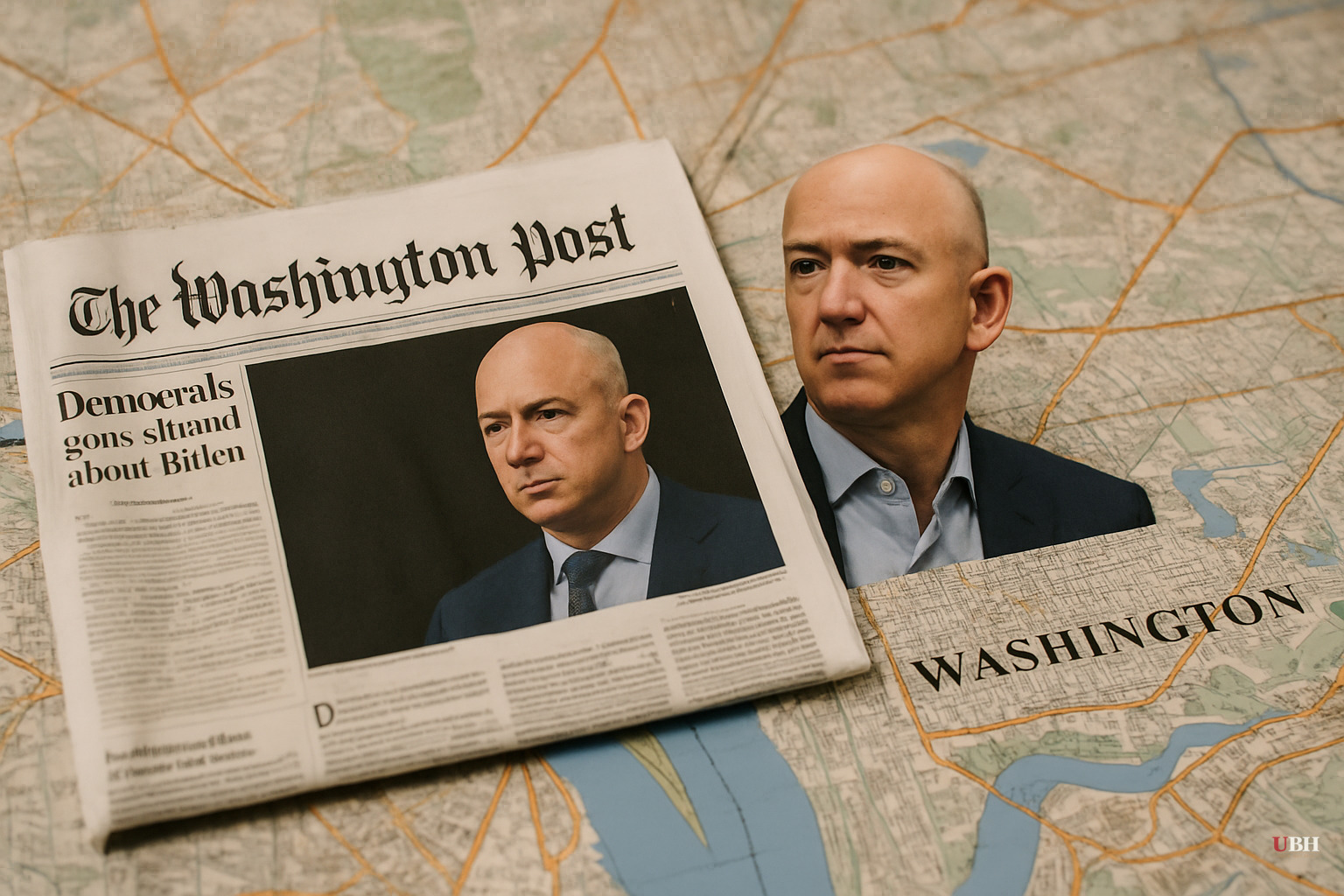
What Bezos Said
Jeff Bezos told President Trump at a dinner in late 2024 that the Washington Post was his worst investment and that its people are "terrible," according to a book excerpt from two New York Times reporters, as cited by the New York Post. "They don't listen. My other companies, they listen," Bezos reportedly said.
Breitbart's John Nolte was the primary outlet reporting on this exchange, framing it in heavily editorialized terms. A book excerpt by New York Times reporters, whom Nolte himself labels "discredited," is the original source. The sourcing chain is worth flagging: a conservative columnist is citing a right-leaning tabloid's account of a book by reporters he regards as unreliable. The core quote has not been independently confirmed by Amazon, the Washington Post, or Bezos's representatives.
What We Know for Certain About the Post's Troubles
The reported quote lands in documented context. The Washington Post lost $100 million in 2024, a figure Breitbart cited.
Before that year ended, Bezos moved to redirect the editorial page toward personal liberty and free-market principles, and ordered the paper not to endorse a presidential candidate. This effectively withheld an endorsement of then-Vice President Kamala Harris. The decision triggered a staff revolt, a wave of high-profile resignations, and a subscriber exodus.
In the months that followed, Bezos cut roughly 40 percent of the Post's workforce, eliminating the entire sports department and significant portions of the newsroom.
The Case for Bezos's Critics Inside the Paper
It's fair to hear the staff's side before dismissing it. Many Post journalists argued that pulling the presidential endorsement, after an editorial board process was reportedly already underway, amounted to ownership interference in editorial independence, not a restoration of neutrality. From their perspective, Bezos was not reforming a partisan outlet; he was imposing his own political preferences in the opposite direction. That concern deserves a straight hearing, because editorial independence from owners is a genuine press-freedom principle, not just a left-wing talking point.
The counter to that argument: the Post's editorial board was an independent operation in theory, not in practice. Decades of uniformly liberal endorsements and a documented leftward tilt in coverage had already compromised any claim to true independence. Bezos owned the paper; directing its endorsement posture is legally his call. Whether it was wise is a separate question.
Why the Business Model Is the Real Story
The Post's core problem is structural, not ideological. Digital advertising revenue collapsed across legacy media over the past decade. The Post, like most national newspapers, bet on subscription growth. A subscription model works if you have a large, loyal readership willing to pay. The paper's subscriber base was built substantially on anti-Trump sentiment during 2016-2020. When Trump's first term ended, subscriptions declined. When Bezos signaled even modest neutrality in 2024, the remaining activist readership bolted.
A publication that monetizes political outrage will always be one ownership decision away from collapse.
What Comes Next
Bezos retains ownership. The staff reductions are already complete.
The unresolved question is whether any version of the Washington Post can attract a paying readership large enough to cover its costs. Breitbart's Nolte argues the answer is no. Republicans will never return regardless of reform pledges, and Democrats will flee at the first sign of non-fealty, he contends. That framing is partisan, but the underlying market logic holds some weight: outlets that define themselves by ideological identity tend to be trapped by it.
The New York Times comparison Nolte raises is instructive. The Times survived its identity crisis partly by pivoting aggressively to games, cooking, and lifestyle products. Whether Bezos is willing to make that kind of structural pivot at the Post, or whether he concludes the brand is too damaged to salvage, will determine whether the paper exists in recognizable form in the years ahead.
Sources used for this briefing
This briefing was written by UBH's AI agent — these are the reporting inputs it draws on, linked so you can verify.


