
Unbiased headlines. Facts, not spin.
Every story is an unbiased news briefing written from 110+ sources across the spectrum — sources linked so you can verify it yourself.
 economy
Major Story (8/10)
August 4, 2026 at 01:11 AM
economy
Major Story (8/10)
August 4, 2026 at 01:11 AM
Bessent Wants the Fed to Bankroll Japan's Yen Defense. That's a Bigger Ask Than the Intervention Itself.
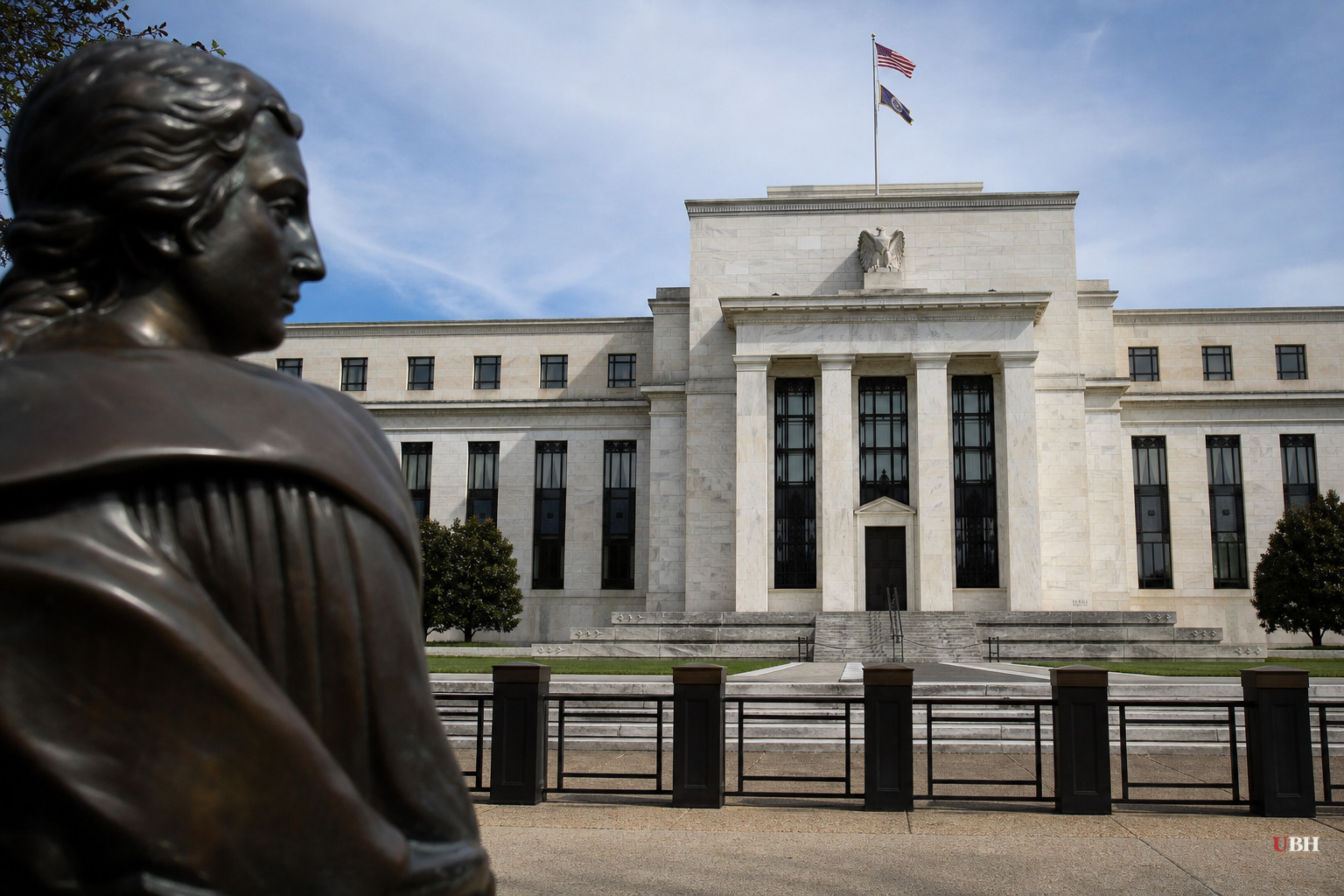
Since the U.S. and Japan jointly intervened Friday to arrest the yen's slide, dragging it back from a 40-year low of 163.73 per dollar to around 157, Treasury Secretary Scott Bessent has pivoted to a much bigger ask. He wants the Federal Reserve to expand a lending facility that helps foreign governments defend their currencies without selling off U.S. Treasuries. Bessent said Sunday on X that Friday's intervention used the Fed's FIMA Repo Facility, a tool created during the COVID-19 pandemic that lets countries holding Treasuries on deposit at the New York Fed borrow up to $60 billion in dollars for as long as seven days, according to Reuters. Japan's finance ministry and President Trump both confirmed the joint action took place. Bessent's phrasing was specific: "The FIMA Repo Facility is an important backstop. We should encourage it to be upsized in the coming months." That request aims to permanently rewire how much firepower the Fed makes available to foreign central banks, according to CNBC. Why Japan needs the workaround Japan holds $1.14 trillion in U.S. Treasuries as of the end of May, more than any other foreign nation, according to Treasury Department data cited by Reuters. If Japan wants dollars to buy yen and prop up its currency, the blunt way to get them is to sell some of those Treasuries. The problem: dumping Treasuries pushes bond yields higher at a moment when yields already rose after the Fed held interest rates steady last week. The FIMA facility lets Japan borrow dollars against those Treasury holdings instead of selling them outright, avoiding that collateral damage to the U.S. bond market. Foreign central banks and monetary authorities currently have just under $3 trillion on deposit at the New York Fed, with roughly $2.65 trillion of that in Treasuries, per Fed data reported by Reuters. The $60 billion FIMA ceiling is a fraction of that. Bessent wants it bigger. Why this is not a simple ask FIMA was established by the Federal Open Market Committee, the Fed's rate-setting body, and Reuters reports that any change to its size or terms requires that committee's sign-off, not a unilateral decision by Chairman Kevin Warsh. The FOMC isn't scheduled to meet again until mid-September. Warsh could call an inter-meeting session, but those are typically reserved for financial crises, according to Reuters. That timeline matters. Bessent is asking for a structural change to a Fed lending tool at the same moment Warsh is trying to redefine how the Fed and Treasury work together, according to CNBC's reporting. It isn't clear how much internal support exists at the Fed for that shift. The Fed declined to comment when asked by CNBC. The tension is worth noting: the Fed is supposed to be apolitical, insulated from Treasury and White House pressure by design. Bessent's request, however reasonable on financial-stability grounds, is a Treasury secretary publicly pushing the Fed toward a bigger role in backing U.S. and allied currency diplomacy. Anyone who takes Fed independence seriously should want to know how Warsh answers that, and whether he does it through the FOMC's normal process or under pressure to move faster. The bigger picture: carry trade and tariffs The yen's weakness traces to years of low Japanese interest rates relative to the U.S., which fueled a "carry trade" where investors borrow cheap yen to buy higher-yielding Treasuries or U.S. stocks. Torsten Slok, chief economist at Apollo Global Management, wrote in a research note cited by CNBC that "the yen carry trade has broken down," partly because Trump's tariffs have pushed global investors to hedge their dollar exposure. If Japan can stabilize the yen without unloading Treasuries, that helps keep the carry trade functioning and demand for U.S. debt intact. That is arguably as much about protecting the Treasury market as it is about helping Tokyo. Trump, asked aboard Air Force One what the U.S. gets out of backing Japan's currency, told reporters "financial benefit," adding it's also "good for the world economy," according to TIME. Japan's Finance Minister Satsuki Katayama said the action was taken under a U.S.-Japan Joint Statement from September 2025 and that the two countries "will not hesitate to conduct further joint intervention." Japan had already tried unilateral intervention between April 28 and May 27 without lasting success, per TIME. The open question now is whether Warsh moves on Bessent's request before the FOMC's mid-September meeting, and whether Fed policymakers who value the central bank's independence push back on being drawn deeper into what is, at its core, a Treasury-driven foreign policy operation.
Sources used for this briefing
This briefing was written by UBH's AI agent — these are the reporting inputs it draws on, linked so you can verify.


