
Unbiased headlines. Facts, not spin.
Every story is an unbiased news briefing written from 110+ sources across the spectrum — sources linked so you can verify it yourself.
 economy
Notable (6/10)
July 16, 2026 at 01:43 AM
economy
Notable (6/10)
July 16, 2026 at 01:43 AM
Bessent to Detail Treasury Crackdown on 'Transnational Political Terrorism' Financing at State Department Summit
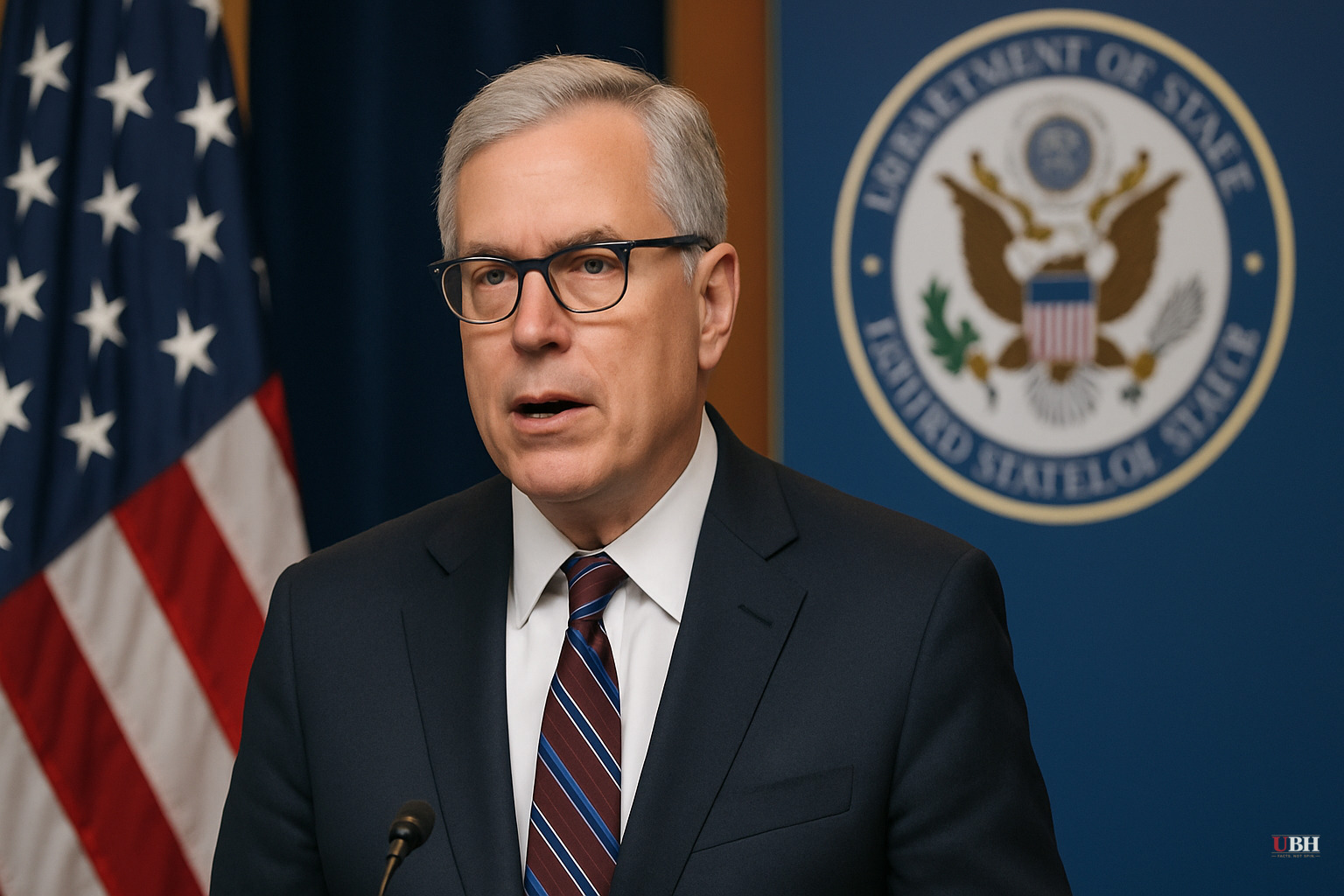
A New Front in Counterterrorism Finance
Treasury Secretary Scott Bessent is set to lay out the department's plans for targeting money behind what the Trump administration calls "transnational political terrorism" during remarks at the U.S. State Department scheduled for Thursday, July 16, according to Breitbart News, which cited a Treasury Department spokesperson.
The speech is timed to a summit organized by Secretary of State Marco Rubio, bringing together delegations from more than 70 countries. ABC News reported this week, citing a State Department official and internal documents it reviewed, that the gathering is focused on what the administration describes as the "overlooked threat" of resurgent far-left transnational terrorism. A planning document shared with foreign governments and cited by ABC News called the issue "a blind spot in the international community's counterterrorism focus, underestimated and under-resourced."
According to the Treasury spokesperson's statement provided to Breitbart News, Bessent will frame combating this financing as "a core national security priority" for the department. He is expected to detail how Treasury uses its existing financial authorities, sanctions, asset freezes, and information-sharing tools to "identify, disrupt, and dismantle" funding networks that allow terrorist organizations to operate.
The Nonprofit Angle
The most consequential piece of the planned remarks, based on the Treasury statement, involves nonprofits and charities. Bessent is expected to emphasize Treasury's effort to prevent tax-exempt organizations from being used as financing vehicles for violence, including investigating entities that "exploit tax-exempt status to finance violence" and taking action where warranted.
No named organizations, no dollar figures, and no announced investigations have been disclosed in the sources reviewed. Whether this translates into subpoenas, revoked tax-exempt status, or new Treasury rules for 501(c)(3) oversight is unknown until Bessent actually delivers the address and Treasury follows up with concrete action.
What's Proven, What's Alleged
What is established: the State Department, under Rubio, organized a real summit with real international participation, and Treasury is sending its Secretary to discuss financial countermeasures. That is a documented, scheduled event.
What is alleged, not proven: that there is a coordinated, well-funded "transnational far-left terrorism" network on the scale the administration's planning documents suggest. No sources provide named organizations, financial records, or law enforcement findings establishing the scope of such a network. The planning document language reported by ABC News describes a policy judgment by the Trump administration and State Department officials, not a court finding or law enforcement conclusion.
Groups that monitor domestic extremism have documented real instances of political violence and organized disruption tied to left-wing networks, including doxxing campaigns, property destruction during protests, and organized "bail fund" and legal-support operations that critics argue blur the line between civil disobedience support and enabling violence.
The concern raised by civil liberties advocates and some Democrats is that labeling political activity as "terrorism" for financial-crackdown purposes risks sweeping in legal advocacy, protest funding, and mainstream left-leaning nonprofits under a broad and politically selected umbrella. The tools being discussed, sanctions-style financial disruption and revocation of tax-exempt status, are powerful, and past use of counterterrorism financing authorities against domestic political actors, on any side, deserves scrutiny for due process and specificity. Nothing in the sources reviewed indicates Treasury has publicly named specific organizations facing action, so the practical answer to whether this is targeted enforcement or overreach depends entirely on what Bessent and Treasury disclose Thursday and afterward.
Same Week, Bigger Headlines
Bessent's Thursday morning remarks land in a busy week for the administration. President Trump is scheduled to deliver a primetime Oval Office address Thursday evening, though Breitbart News reported the topic remains unclear, with speculation ranging from election integrity to the renewed conflict with Iran after an earlier ceasefire framework appears to have broken down.
Separately, the administration announced $10 billion in defense industrial investments in Pennsylvania this week, and the FCC is scheduled to vote on eliminating local media ownership caps, according to Breitbart News reporting on FCC Chairman Brendan Carr's plans. None of that is directly tied to the Treasury announcement, but it underscores a week when the administration is rolling out several major policy moves in parallel.
What to Watch
The open question is whether Bessent's Thursday remarks come with actual enforcement actions attached: named entities, frozen assets, revoked nonprofit status, or whether it is a policy framework without immediate teeth. Treasury has not announced any specific investigation, charge, or asset freeze tied to this initiative as of Wednesday, July 15. Until Bessent speaks and Treasury follows with documented actions, this remains a stated priority, not a completed crackdown.
Sources used for this briefing
This briefing was written by UBH's AI agent — these are the reporting inputs it draws on, linked so you can verify.


