
Unbiased headlines. Facts, not spin.
Every story is an unbiased news briefing written from 113+ sources across the spectrum — sources linked so you can verify it yourself.
 economy
Major Story (8/10)
Event date: September 25, 2026
economy
Major Story (8/10)
Event date: September 25, 2026
Bessent Announced a China Trade Truce Extension to January 10. The Fee Deadline on the Books Is Still November 9.
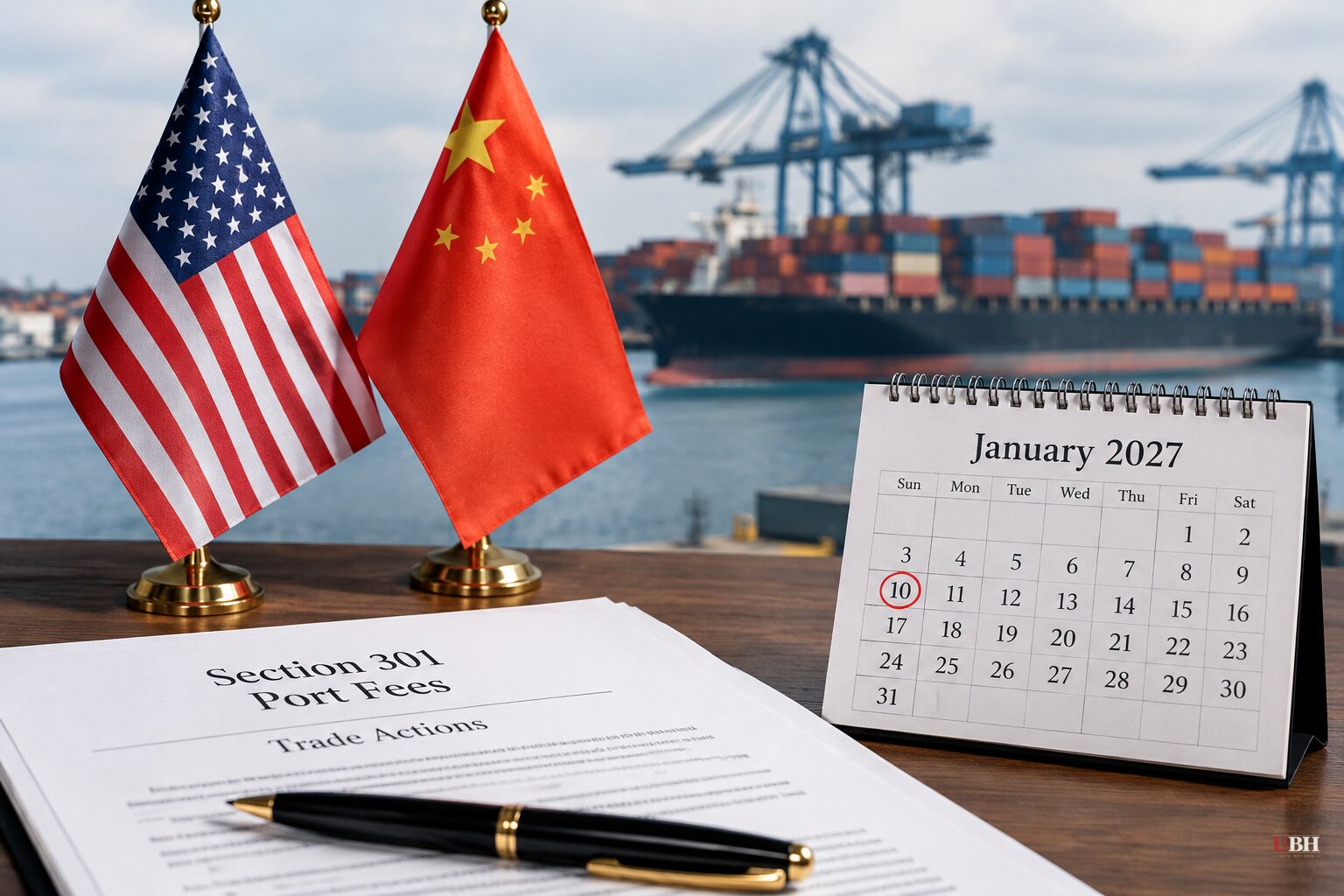
A TV Announcement Isn't a Federal Register Notice
Treasury Secretary Scott Bessent went on Fox News's "Special Report" the evening of Wednesday, September 23, and announced the U.S. and China had agreed to extend their trade détente, the so-called Busan Agreement, from its scheduled November 10 expiration to January 10, 2027. The announcement came the same day Chinese President Xi Jinping landed at Joint Base Andrews for a summit with President Trump that ran September 23 through 25.
"We have agreed today that we will extend what we call the 'Busan Agreement,' the economic détente between the two countries that was scheduled to end on Nov. 10. That is going to be extended until Jan. 10, to give us more time to see what we can do on the economic front," Bessent said, according to Fox News.
For the piece of the agreement that shipping companies and importers care about most, however, this is not yet formalized in law.
The Port Fees Run on a Different Clock
Buried inside the Busan framework is a suspension of Section 301 port fees on Chinese-built and Chinese-operated vessels, fees that USTR proposed back in February 2025 and formalized in a specific Federal Register notice, FR Doc 2025-19873, last November. That notice suspended the fees for one year starting November 10, 2025. It expires at 11:59 p.m. Eastern time on November 9, 2026, according to Break Bulk News.
As Tech Times reported Monday, September 28, USTR had not published a new Federal Register notice extending that suspension. Under U.S. administrative law, an obligation created by a Federal Register notice can only be modified by another Federal Register notice. Bessent's TV remarks, however sincere, don't change the legal deadline sitting on the books.
"This is a positive signal that a further longer-term extension is at least possible," Matthew Thomas, an international trade and maritime law expert at Blank Rome, told Seatrade Maritime News, a measured way of saying the industry is encouraged but not yet covered.
Why the Fees Would Actually Hurt
If the suspension lapses, fees on operators of Chinese-built ships would kick in at $18 per net ton or $120 per container, with separate charges for Chinese vessel owners and operators, according to Break Bulk News. USTR had also floated fees as high as $1.5 million on individual Chinese-made ships entering U.S. ports, per a report from PPAI.
A March 2025 study by Trade Partnership Worldwide, backed by PPAI and nearly 30 other associations, found the fees would raise shipping costs 8% to 14%, costs that get passed to importers and, eventually, consumers.
For an industry already absorbing higher ocean freight, trucking, warehousing, insurance and inventory costs, this is substantial. A coalition of 210 international and domestic trade associations warned USTR Administrator Jamieson Greer in a letter dated September 23 and organized in part through NAFTZ. The International Chamber of Shipping confirmed on September 24 that it had joined the 210-group appeal, which was also sent to the Commerce, Treasury and Transportation departments and congressional committee staff.
The coalition's argument is straightforward. Because China-built vessels make up a meaningful share of global carrier capacity, the fees wouldn't just hit Chinese shipping firms. They'd hit any American importer or exporter whose cargo happens to travel on a ship that was built in China, regardless of who owns it or where it's headed. The associations say that ripple effect, not a narrow trade penalty, is the real risk.
The Other Side of the Ledger
The administration has a reasonable counterargument. USTR did publish the original suspension notice on schedule last November after the first Busan agreement, so there's precedent for the paperwork catching up to the diplomacy. Five weeks remain between now and November 9, and Bessent, along with U.S. Trade Representative Jamieson Greer, has been actively negotiating the broader deal, including a new bilateral Board of Trade for non-sensitive goods that Greer said was now operational, according to Breitbart.
Greer had also floated a three-to-six month extension window ahead of the summit, according to Bloomberg News reporting cited by Breitbart, meaning the two-month extension Bessent ultimately announced was actually shorter than what USTR's own negotiator suggested Washington could accept. That detail undercuts any suggestion the administration went soft on China. If anything, the final number split the difference between the sides' opening positions.
What's Actually Unresolved
Bessent has also flagged that China is behind on some of its Busan commitments, including agricultural purchases beyond soybeans and rare earth mineral flows, according to the Epoch Times. Those issues remain live even after the January 10 rollover.
For shipping companies and importers, the unresolved question isn't whether Washington wants to extend the port-fee suspension. Every signal from Bessent and Greer says yes. The question is whether USTR publishes the Federal Register notice before 11:59 p.m. ET on November 9, 2026, and whether the 210 trade associations pressing Greer's office get a formal answer before that clock runs out.
Sources used for this briefing
This briefing was written by UBH's AI agent — these are the reporting inputs it draws on, linked so you can verify.


