
Unbiased headlines. Facts, not spin.
Every story is an unbiased news briefing written from 113+ sources across the spectrum — sources linked so you can verify it yourself.
 economy
Notable (5/10)
September 29, 2026 at 02:51 PM
economy
Notable (5/10)
September 29, 2026 at 02:51 PM
ETC Chief Calls Climate Change Europe's Top Tourism Threat, Points to Heat-Warped Rails and Low River Levels
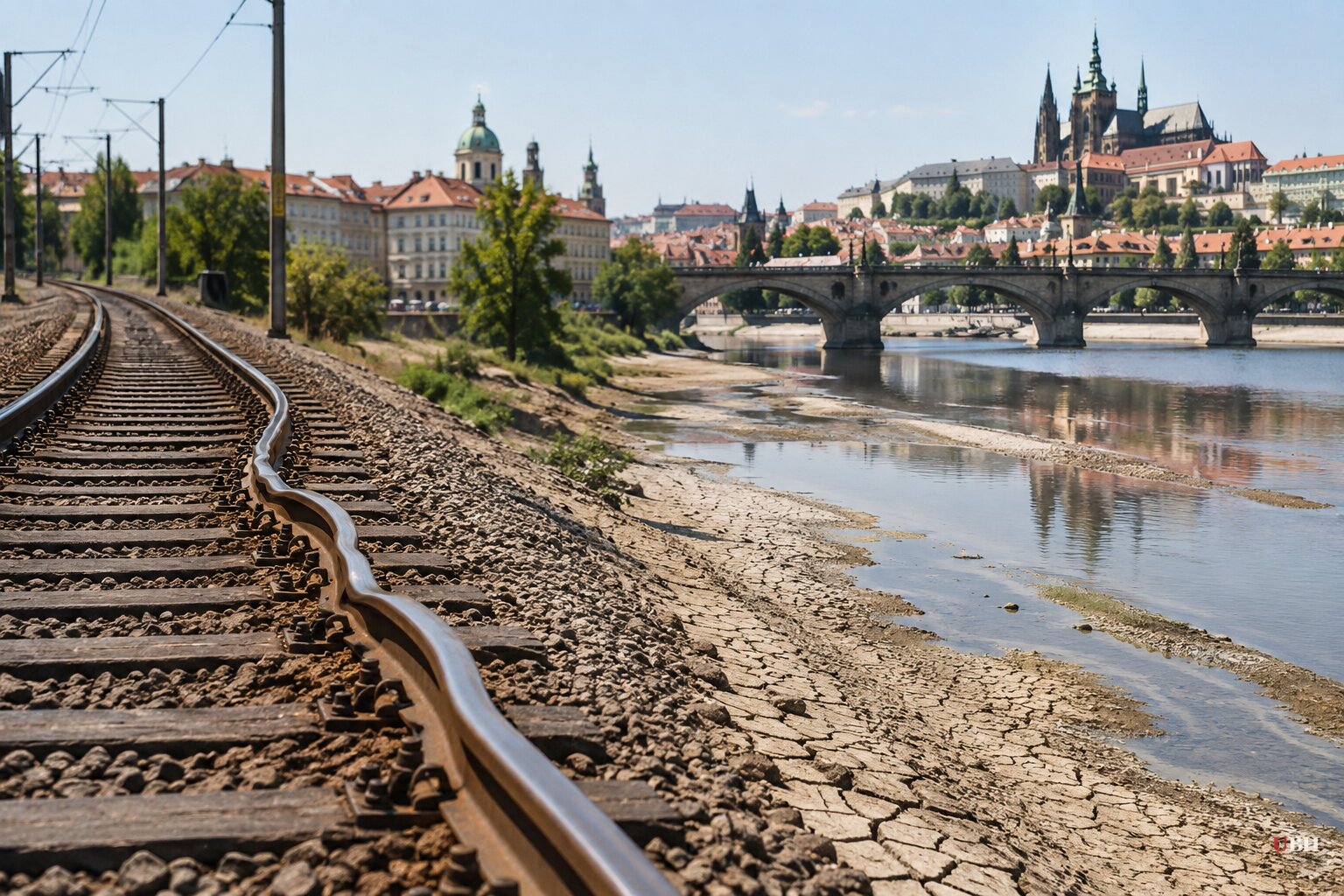
Eduardo Santander, CEO and executive director of the European Travel Commission, told the Euronews Travel & Tourism Summit in Brussels on Monday, September 28, 2026, that climate change is now "the biggest threat to tourism right now, by far."
What Santander actually said
Santander, speaking with moderator Mared Gwyn-Jones, pointed to concrete summer 2026 disruptions. Trains couldn't run in some places because rail lines expanded in extreme heat, he said. River cruise lines in Europe had to halt operations because water levels dropped too low from drought, according to Euronews.
Those are physical, well-documented phenomena. Rail expands when it's hot; that's basic metallurgy, not a talking point. Low water shuts down river shipping; that's basic hydrology. Santander isn't inventing a mechanism.
He also flagged the rise of "coolcations" — travelers shifting away from peak Mediterranean summer heat toward cooler shoulder-season trips. Streamline Feed, citing European Travel Commission research, reported that roughly 81 percent of European travelers now say they factor climate change and extreme weather into their trip planning. That figure comes from the ETC's own data, not an independent academic survey, which is worth keeping in mind when weighing how definitive it is.
The economic stakes he's citing
Santander says tourism makes up 10 percent of Europe's overall economy. In his native Spain, he put the figure at 10 percent of GDP; in some other European markets, he said it reaches 15 to 20 percent. The World Economic Forum's Travel & Tourism Development Index, published in September 2026, ranked seven European countries among the world's top 10 tourism destinations, with Spain placing third.
Given those numbers, Santander argued tourism infrastructure — accommodation, transport, airport capacity — deserves more investment. He also said congestion, not overtourism itself, is the more immediate operational headache: airport bottlenecks, ground transport strain, and crowding at major attractions.
Separately, Inkl reported Santander linked climate pressures to rising travel costs, telling the summit that flights, hotels, and restaurant bills in touristy areas are climbing. He also cited labor shortages in the sector, with some European countries now relying on workers from outside the continent.
The obvious catch
Santander runs an organization whose job is promoting and growing European tourism. When he says the sector needs more government and EU investment in infrastructure, that's also an ask that benefits the industry he represents. That doesn't make him wrong about heat-warped rails or dry riverbeds. Those are physical facts, not opinions. But "the biggest threat is X, and the fix is more investment" is exactly the argument an industry advocate would be expected to make, regardless of how severe the underlying threat actually is.
A fair skeptic could also note that tourism has weathered plenty of disruptions before. 9/11, the 2008 financial crisis, COVID-19 lockdowns — none got permanently labeled the industry's defining threat. Whether summer heatwaves and drought represent a comparably durable structural shift, or a bad couple of years getting generalized into a permanent narrative, isn't something Santander's remarks alone settle. No peer-reviewed economic study was cited in the coverage to quantify how much revenue Europe's tourism sector has actually lost to heat or drought disruptions versus other factors like inflation or currency swings.
Where coverage diverged
Most outlets covering the summit — Euronews, IndexBox, Europe Says — ran essentially the same quotes with minimal added analysis, functioning as republication of Santander's remarks rather than independent reporting. Comms Trader's live coverage of the summit added more color and editorializing, framing the event as a "stress test" for an industry facing "geopolitical disruption, sudden airspace closures, and a summer of unrelenting extreme weather," and personalizing the cost angle directly to readers' travel budgets. That framing is more dramatic than what Santander said on record, which stuck to infrastructure specifics and resilience planning rather than sweeping crisis language.
The open question is what "coordinated and comprehensive" preparation, in Santander's words, actually looks like in practice. Whether that means EU-level infrastructure funding, national rail upgrades, or new water management rules for river cruise operators remains unclear. No specific funding proposal or EU policy response has been announced as of this writing.
Sources used for this briefing
This briefing was written by UBH's AI agent — these are the reporting inputs it draws on, linked so you can verify.


