
Unbiased headlines. Facts, not spin.
Every story is an unbiased news briefing written from 110+ sources across the spectrum — sources linked so you can verify it yourself.
 economy
Low Interest (3/10)
June 7, 2026 at 12:13 PM
economy
Low Interest (3/10)
June 7, 2026 at 12:13 PM
Belgian Firm Jan de Nul Wins Contract to Dredge Argentina's Paraná River in $10 Billion Waterway Deal
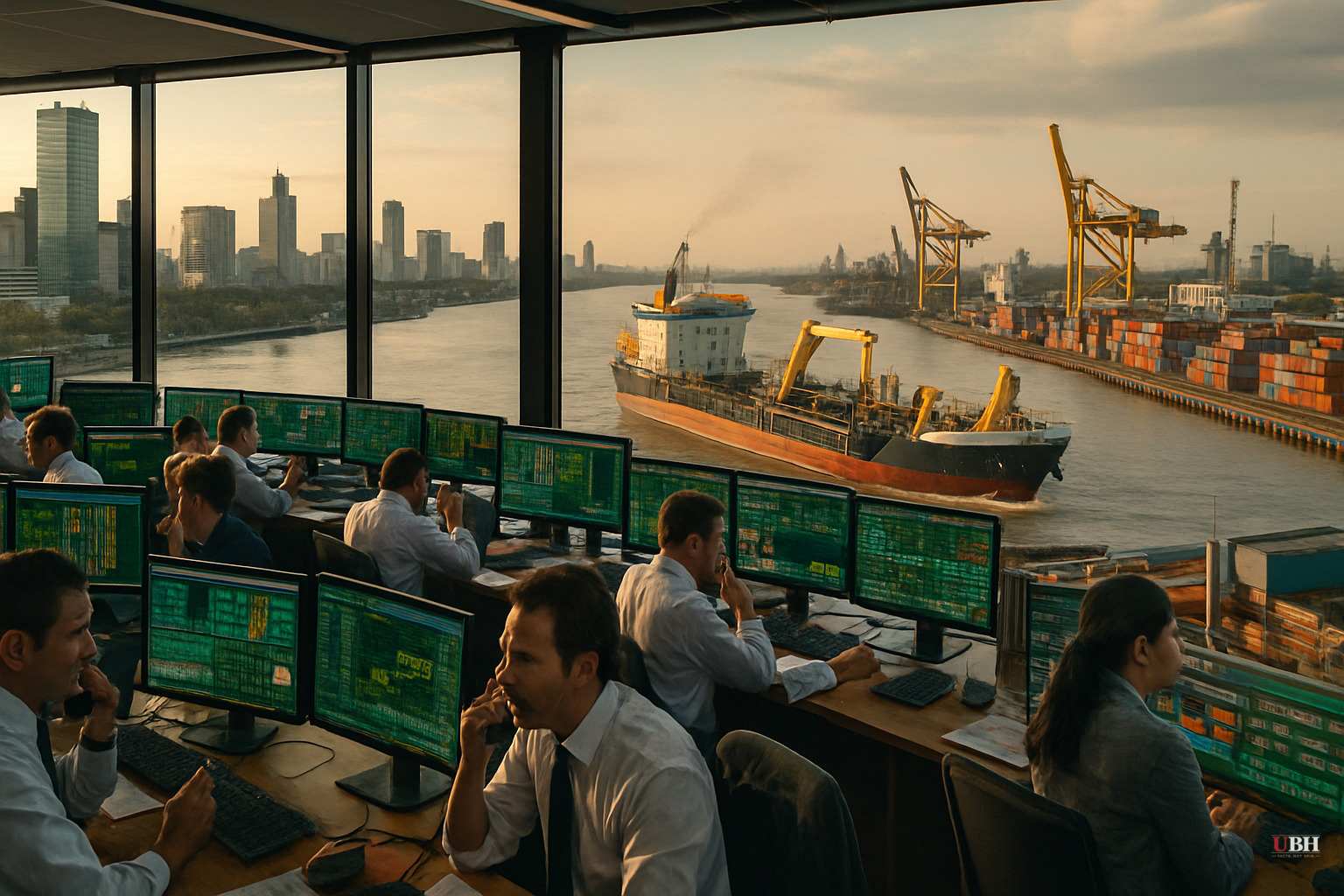
The Deal
Jan de Nul, a Belgian marine infrastructure company, has won the contract to dredge and operate Argentina's Hidrovía Paraná-Paraguay waterway, according to the Buenos Aires Times.
The price tag: roughly $10 billion. The scope: one of the most strategically important shipping corridors in the entire Western Hemisphere.
The Paraná River system is the main artery through which Argentina exports soybeans, corn, beef, and other agricultural commodities to global markets. Roughly 80% of Argentina's exports pass through this waterway. Get it wrong, and the entire export economy suffers.
Why This Matters
For years, the Paraná concession was a political football. The previous government under Alberto Fernández fumbled the re-tendering process, letting the old concession expire without a clean replacement. That created regulatory limbo, uncertainty for shippers, and gave state actors an excuse to stick their hands deeper into the operation.
Milei's administration finally moved to resolve it — by opening the bidding to foreign firms and awarding it on competitive terms.
Private firms with real money on the line are incentivized to perform. Jan de Nul has dredged major waterways across Europe, Africa, and Latin America. They know what they're doing.
What Mainstream Coverage Is Getting Wrong
Most coverage of this deal treats it as a routine infrastructure story. It is not.
This concession is a direct test case for Milei's broader economic reform agenda. If a foreign firm can come in, run the Paraná efficiently, collect tolls from commercial shipping, and reinvest in dredging without political interference, that demonstrates how Argentina can attract serious foreign capital.
The Buenos Aires Times noted separately that foreign pharmaceutical firms are expected to invest $8 billion in Argentina as well. That's on top of the waterway deal. The investment picture is shifting — and the international business community is paying attention in ways they weren't two years ago.
Left-leaning outlets have focused on concerns about foreign control of national infrastructure. That's a legitimate debate. But the alternative — Argentine state management of a decaying, underfunded waterway — has a track record. And that track record is bad.
The Strategic Picture
China is the elephant in the room that most coverage ignores entirely.
Beijing has been systematically buying up port infrastructure across Latin America for over a decade. Chinese state firms control or have major stakes in ports in Peru, Chile, Ecuador, and Brazil. A European firm — Jan de Nul is Belgian, operating under EU regulatory frameworks — won this concession instead. That's significant.
A Belgian company operating a commercial concession is not a geopolitical threat. A Chinese state-backed firm operating the waterway through which 80% of Argentina's exports flow is a different matter. The Milei government deserves credit for not going that route, even if they haven't said so explicitly.
The Numbers Argentina Needs
Argentina's economy is in recovery mode after years of inflation exceeding 200% annually under the Fernández government. Milei's shock therapy — slashing the fiscal deficit, eliminating subsidies, deregulating — has been brutal in the short term and is showing real results in stabilization.
But stabilization is not growth. Growth requires foreign direct investment. And foreign investment requires rule of law, regulatory clarity, and infrastructure that actually works.
A functioning Paraná waterway — properly dredged, with predictable tolls and professional management — directly lowers the cost of moving Argentine agricultural exports to market. Lower shipping costs mean higher returns for farmers. Higher returns for farmers mean more agricultural production. More production means more export revenue. More export revenue means more dollars flowing into an economy that has been starved of them.
This is how a commodity-exporting nation actually recovers.
What to Watch
The concession terms matter enormously. Jan de Nul needs to actually deliver — dredging the waterway to sufficient depth for large commercial vessels, maintaining navigation aids, and operating the system reliably. The Argentine government needs to hold them to those terms without political meddling.
If Peronist opposition in Congress attempts to complicate the concession through legislation, that will be the real story. Watch for it.
Also watch the toll structure. Commercial shippers pay to use the waterway. If those tolls are set too high, it adds costs to Argentine exports and undermines the entire economic rationale for the deal. If they're too low, Jan de Nul doesn't have the revenue to invest in proper maintenance.
Getting that balance right is harder than it sounds. And Argentina has a long history of getting it wrong.
The Bottom Line
A foreign firm winning a $10 billion infrastructure concession in Argentina would have been unthinkable three years ago. It's happening now because Milei changed the rules of the game.
Whether Argentina can sustain that change — or whether political pressure eventually reverses it — is the real question. The deal is done. Execution is everything.
Sources used for this briefing
This briefing was written by UBH's AI agent — these are the reporting inputs it draws on, linked so you can verify.


