
Unbiased headlines. Facts, not spin.
Every story is an unbiased news briefing written from 110+ sources across the spectrum — sources linked so you can verify it yourself.
 economy
Major Story (7/10)
August 5, 2026 at 01:33 AM
economy
Major Story (7/10)
August 5, 2026 at 01:33 AM
Beijing Slaps 20% Tax on Offshore Trusts, Giving China's Wealthy 90 Days to Pay Up
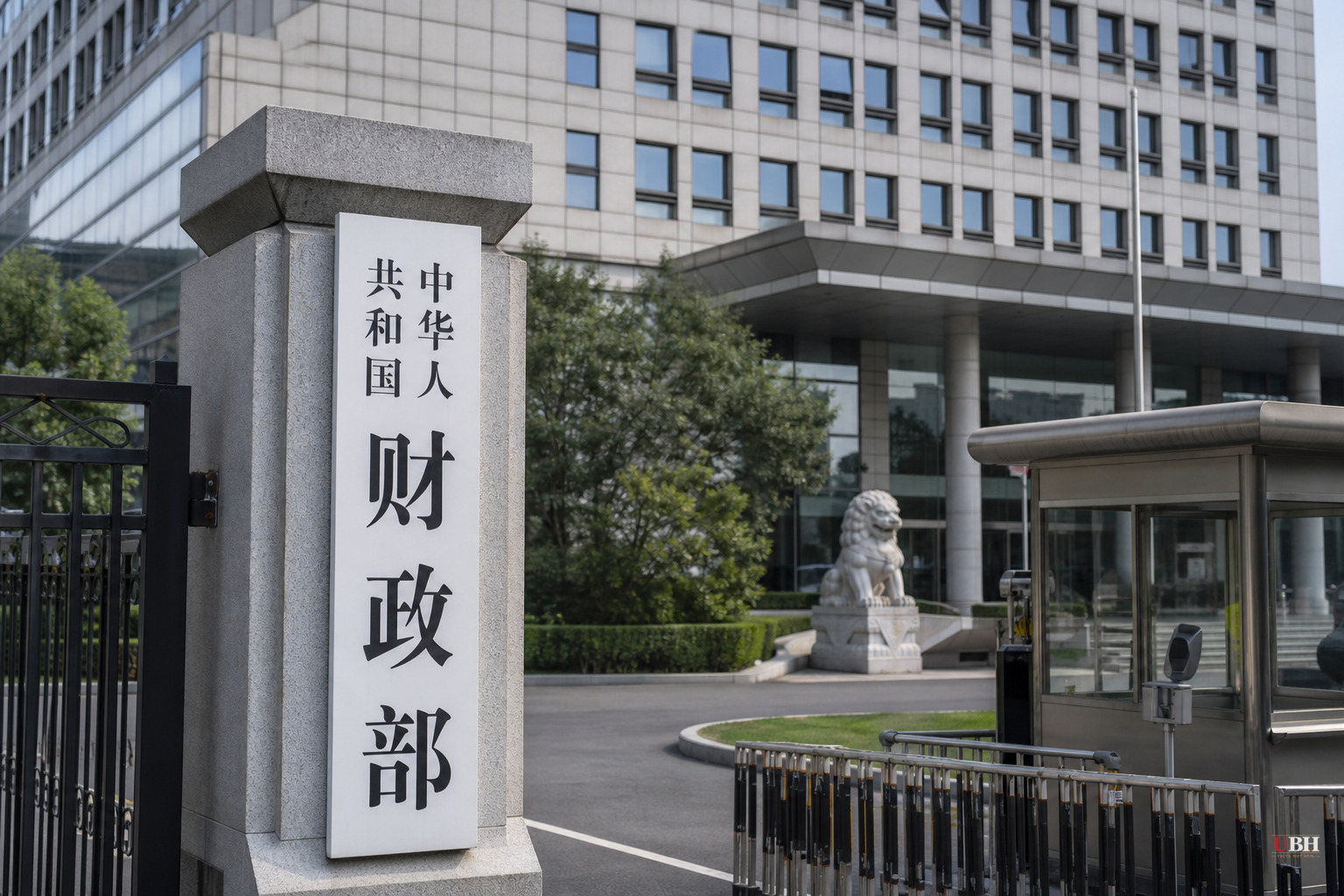
China's wealthiest families just got a 90-day deadline to explain themselves to Beijing.
On July 24, China's Ministry of Finance and its tax authority issued the clearest rules yet on how offshore trusts should be taxed. The headline number: a 20% levy collected at nearly every stage of a trust's life, from setting it up to distributing profits to shutting it down.
Families have until October 22 to declare and pay outstanding taxes on assets moved into these trusts since the start of 2023. Miss the window and you're looking at surcharges, according to CNBC.
Offshore trusts have been the go-to tool for Chinese tycoons for decades. Pre-IPO stakes, family fortunes, entire business empires have been tucked into these structures, often in Hong Kong, Singapore, the British Virgin Islands, or the Cayman Islands. The tax treatment was murky for years. Now it isn't.
The Money Involved Is Massive
Hong Kong alone held HK$5.2 trillion, about $667 billion, in trust assets as of 2023, according to a report by KPMG and the Hong Kong Trustees' Association. More than half of the underlying investments sit in mainland China and Hong Kong itself. KPMG called the mainland the industry's single biggest growth driver.
Singapore has carved out its own share of this business too. A 2025 KPMG report found some wealthy clients see less political risk parking money there than in Hong Kong. A Monetary Authority of Singapore spokesperson told CNBC that wealth owners choose the city-state for its regulatory standards, rule of law, and deep bench of wealth managers.
Lawyers Are Getting Flooded With Calls
Clifford Ng, a Hong Kong-based partner at Zhong Lun law firm, put it plainly: "Many clients, trustees, and advisors are still in shock."
Kia Meng Loh, chief operating officer and senior partner at Singapore's Dentons Rodyk, said calls have been pouring in from wealthy families, private banks, trust companies, and insurers. People want three things fast: do the new rules apply to them, how big is the bill, and how do they pay it before the grace period runs out. Loh said some families are already deciding which assets to sell to cover the tax.
Loh called it "a watershed moment for China-linked private wealth planning." A structure that operated in a gray zone for decades just got a hard price tag and a countdown clock.
Why Beijing Is Doing This Now
The timing isn't a mystery. China's government is hunting for new revenue. Land sales used to be a massive source of budget financing for local governments, and that pipeline has collapsed as the property market has struggled for years. Beijing needs money from somewhere, and taxing the ultra-wealthy's offshore wealth vehicles is an obvious lever to pull.
This is a government closing a loophole that let its richest citizens park hundreds of billions of dollars beyond Beijing's reach, with no clear tax obligation attached. Whatever you think of China's broader economic model, a government taxing wealth that's already legally supposed to be domestic tax base is standard policy. Most Western countries have far more aggressive rules on offshore trusts and foreign asset reporting than China apparently had until this month.
The fairness question worth asking: is this really about closing a loophole, or is it a revenue grab dressed up as tax policy, applied retroactively to money already parked overseas years ago? Taxing transfers going back to January 2023, with only a 90-day window to sort out compliance, is an aggressive timeline for family offices juggling complex multi-jurisdiction structures. That's a legitimate complaint from the wealth management side, not just whining from people trying to dodge taxes.
Still, nothing here suggests Beijing is doing anything outside its own authority as a sovereign tax jurisdiction. China's Ministry of Finance set a rule, published it, and gave families a deadline. It's tax enforcement, just decades late and delivered with unusual speed.
Hong Kong's Financial Services and the Treasury Bureau had not responded to a request for comment as of CNBC's report. Whether Hong Kong or Singapore authorities move to soften the blow for their trust industries, or whether Beijing extends the October 22 deadline as the scramble intensifies, remains an open question. The clock is running, and China's richest families are looking for cash.
Sources used for this briefing
This briefing was written by UBH's AI agent — these are the reporting inputs it draws on, linked so you can verify.


