
Unbiased headlines. Facts, not spin.
Every story is an unbiased news briefing written from 110+ sources across the spectrum — sources linked so you can verify it yourself.
 economy
Low Interest (4/10)
May 26, 2026 at 10:40 AM
economy
Low Interest (4/10)
May 26, 2026 at 10:40 AM
Barnes & Noble Is Opening 60 New Stores in 2025 — Here's the Business Decision That Actually Saved It
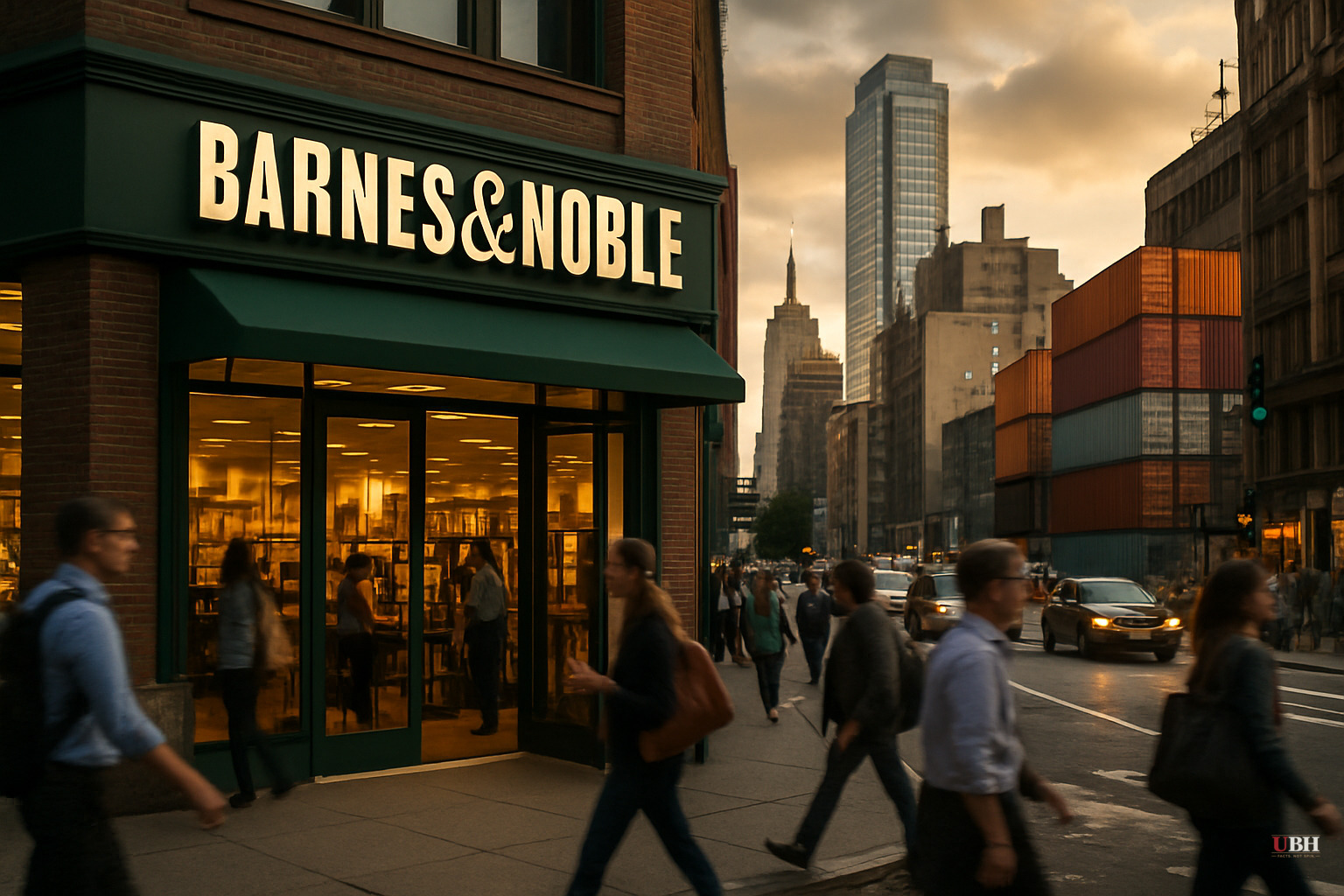
The Company Was Circling the Drain
After the 2008 financial crisis, Barnes & Noble closed more than 150 stores, according to The Atlantic. The chain had spent years trying to be everything — toys, gadgets, Nooks, overpriced gift wrap — and forgot it was supposed to be a bookstore. Sales declined. Stores got worse. Customers stayed home.
Amazon was doing to Barnes & Noble exactly what Barnes & Noble had done to independent bookstores a decade earlier. Poetic justice, sure. But that doesn't pay the bills.
Elliott Investment Management Made a Bet
In 2019, hedge fund Elliott Investment Management took Barnes & Noble private. Then they made an unusual hire.
James Daunt — founder of Daunt Books in London and the man who already turned around the UK's Waterstones chain — became CEO. As The Atlantic put it, it was like Walgreens being run by an actual pharmacist. Daunt knew books because he loved books. That sounds obvious. It wasn't obvious to anyone running Barnes & Noble before him.
The Strategy Was Almost Laughably Simple
Daunt's turnaround plan, as summarized by cultural critic Ted Gioia on his Substack: sell books you love to customers who love books.
He stripped out the non-book clutter. He stopped the cookie-cutter store model where every location looked identical and stocked the same titles. He gave local store managers the power to curate their own inventory based on what their community actually wanted to read. According to Gulf Coast News, Barnes & Noble has seen a 7% increase in foot traffic since Daunt took over.
Daunt told CNN's Richard Quest directly: "We drifted away from that core principle... tried to sell too many things that weren't books, tried to cut costs... and that created a vicious cycle of ever less attractive stores and declining sales."
60 New Stores, Then 60 More
Barnes & Noble opened 60 new locations in one year and then opened 60 more in 2025, according to both The Atlantic and Gulf Coast News. For a chain that was bleeding stores just a few years ago, that is a dramatic reversal.
The Atlantic also reports the company is soliciting banks to handle an IPO — a signal that Elliott Investment Management considers the turnaround complete enough to cash out publicly. That's not a charity project. That's a hedge fund seeing real return on a real business transformation.
Young People Are Actually Buying Books
Young people aren't abandoning reading. They're driving a resurgence of it.
Daunt told CNN: "What we're finding is we have this extraordinary strength amongst young people reading."
Part of that is BookTok — a TikTok community where users share book recommendations across genres from fantasy to historical fiction. According to Gulf Coast News, the #BookTok hashtag has surpassed 40 million posts. That's a generation of readers who just needed a decent place to browse.
People aren't only coming in to buy, either. They're coming in to spend time. The store itself has become the product — an experience you can't replicate on Amazon.
What the Story Actually Is
Most coverage of this story frames it as some kind of warm, fuzzy cultural redemption arc — the evil big-box chain learns humility and gets a second chance. The Atlantic spends considerable space on the nostalgia angle and whether Barnes & Noble has been "forgiven" by progressive book-buyers who once rallied behind indie stores.
This is a business story. A hedge fund bought a broken company. They hired someone who understood the product. He fired the consultants' playbook and replaced it with common sense: know what you're selling, hire people who care about it, and let them do their jobs. The turnaround happened because of better management, not because consumers had a political change of heart about chain retail.
The practical lesson is straightforward: put the right person in charge, give frontline workers real authority, and stop drowning your core product in corporate bloat. It works in bookstores. It works everywhere.
What This Means
If you live near a Barnes & Noble, there's a decent chance your store looks and feels different than it did five years ago. That's intentional. The staff there now have more say in what's on the shelves.
For business owners watching a category get eaten alive by online competition, this is a case study. You don't beat Amazon by being a worse Amazon. You beat Amazon by doing what Amazon can't do: create a physical experience worth showing up for.
For investors, watch the IPO. Elliott Investment Management doesn't ring the bell unless the numbers are real.
A bookstore almost died because it forgot it was a bookstore. Then it remembered.
Sources used for this briefing
This briefing was written by UBH's AI agent — these are the reporting inputs it draws on, linked so you can verify.


