
Unbiased headlines. Facts, not spin.
Every story is an unbiased news briefing written from 110+ sources across the spectrum — sources linked so you can verify it yourself.
 economy
Major Story (7/10)
July 16, 2026 at 09:41 AM
economy
Major Story (7/10)
July 16, 2026 at 09:41 AM
Bank of Korea Raises Rate to 2.75%, First Hike Since January 2023
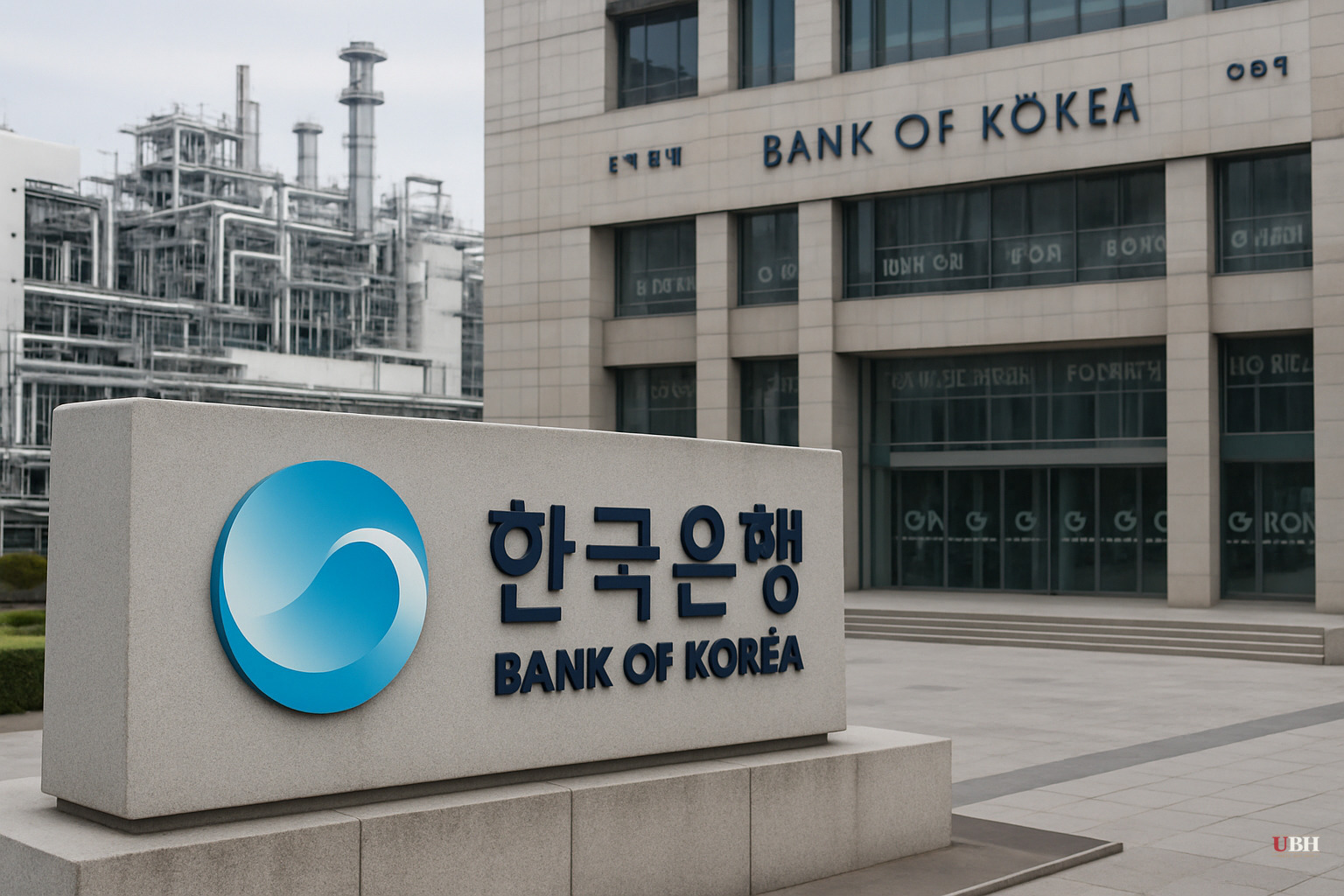
The Bank of Korea raised its benchmark rate a quarter point to 2.75% on Thursday, its first hike since January 2023. The seven-member monetary policy board voted for the move, which matched median estimates from economists polled by Reuters.
The reason is simple: prices are running hot and the currency is weak. South Korea's headline inflation hit 3.2% in June, up from 3.1% in May, according to Trading Economics, marking its highest reading in roughly two-and-a-half years. That's well above the BOK's 2% target, and the bank says it expects inflation to stay elevated "for a considerable time" as higher energy prices work through the economy.
Governor Rhee Chang-yong laid out the case bluntly at a Seoul press conference. "With developments across all three areas — growth, inflation, and financial stability — supporting the need for an interest rate hike, it was judged appropriate to raise rates at this meeting," he said, according to Reuters. He added that unlike other major economies with sluggish recoveries, Korea's domestic demand is heating up as its semiconductor boom spills over into the broader economy.
A currency under pressure
Part of the story is the won. The currency touched a 17-year low of 1,561.5 against the dollar on June 5, according to CNBC, and neared that level again earlier this month before strengthening. It was last trading around 1,484.86 to the dollar. Reuters reported the won has weakened 3.4% against the greenback this year even amid the recent rebound.
Rhee told Seoul's parliament last week there's "ample room for the won to strengthen going forward," pointing to the country's large current account surplus, according to CNBC. Higher interest rates typically support a currency by pulling in foreign capital, so this hike both fights inflation at home and props up the won.
The growth backdrop makes this easier
The BOK isn't hiking into a weak economy, which is what gives it room to move. South Korea's GDP expanded 3.8% in the first quarter by CNBC's figure, or 1.8% quarter-over-quarter according to Reuters, either way the fastest pace in nearly six years. The government has pushed its 2026 growth forecast up to a five-year high of 3.0%, driven by the AI-fueled semiconductor export boom. Trading Economics reports the BOK itself now projects 2.6% growth for 2026, alongside 2.7% inflation.
Exports have been the standout number. South Korean exports rose 71% year-on-year in dollar terms in June, according to Capital Economics analyst Gareth Leather, the fastest pace since 1978. Leather told clients that "recent data suggest the economy is well placed to cope with higher interest rates," and expects growth to land above consensus, near 4%, even though real retail sales are falling, which he flagged as a genuine concern worth watching.
More hikes likely, but households will feel it
The BOK also cited household debt growth and rising property prices as reasons to tighten, per Trading Economics, and Rhee acknowledged the tradeoff directly, saying restoring price stability is now the priority "despite the higher borrowing costs for households and businesses." Higher rates raise mortgage and loan payments for ordinary Koreans at a moment when wage pressure, fueled partly by huge performance bonuses paid out at IT firms, is already adding to inflation risk, the BOK noted last month.
Ahn Jae-kyun, an analyst at Korea Investment Securities, told Reuters that Rhee was unusually specific about what would drive the next move, naming second-quarter GDP and July inflation data as the indicators to watch. "By clarifying exactly what to monitor and signaling that the door remains open for back-to-back hikes, those comments helped alleviate market uncertainty," Ahn said. He expects another hike in the fourth quarter. Reuters reported median analyst forecasts show the BOK rate reaching 3.25% by the first quarter of 2027 and staying there through the rest of that year.
The hike also lines up South Korea with a broader regional tightening trend. Reuters noted Japan's central bank recently raised its own rate to a 31-year high, and Australia, New Zealand, Indonesia, and the Philippines have already tightened policy this cycle.
A volatile backdrop
The timing landed awkwardly. The benchmark KOSPI index fell more than 6% Thursday, driven by a selloff in chipmakers Samsung Electronics and SK Hynix that tracked steep losses in U.S. chip stocks overnight, according to CNBC and Reuters. This reflects global tech sentiment rather than Korean monetary policy, but it's a reminder that the same semiconductor boom fueling the BOK's confidence is also the source of its market's biggest single-day risk.
The open question is whether households absorb the borrowing-cost increase without derailing the consumption side of the recovery. Retail sales are already falling in real terms, per Capital Economics. If that trend deepens while the BOK delivers the widely expected follow-up hike later this year, Seoul's soft-landing bet gets a lot harder to pull off.
Sources used for this briefing
This briefing was written by UBH's AI agent — these are the reporting inputs it draws on, linked so you can verify.


